
What Is a Dental Emergency and Where To Go for Care

Emergency dental care becomes necessary when you experience sudden tooth pain, damage, or infection that requires immediate professional attention. Dental emergencies occur unexpectedly and often at inconvenient times. A knocked-out tooth during a weekend game, severe tooth pain that develops overnight, or a dental abscess that causes facial swelling all require urgent evaluation and treatment.
This guide helps you identify true dental emergencies, understand appropriate responses, and know where to seek care when urgent situations arise. Acting quickly often determines whether teeth can be saved and how much treatment will ultimately be required.
What Counts as a Dental Emergency?
Not every dental problem requires emergency treatment. Dental emergencies involve situations where immediate care may prevent tooth loss, stop infection from spreading, or address severe pain that cannot be managed at home. These urgent situations differ from routine dental concerns that can wait for a regular appointment.
High-urgency situations include severe, uncontrollable pain, significant bleeding that won't stop, teeth that have been knocked out or loosened, infections causing facial swelling, and trauma to the mouth or jaw. These conditions require same-day evaluation and treatment to prevent permanent damage or serious health complications.
Lower-urgency dental issues, while uncomfortable, can typically wait for a scheduled appointment. A small chip in a tooth without pain, a lost filling that causes no discomfort, or mild sensitivity usually don't constitute true emergencies. However, even these situations should be addressed promptly to prevent progression to more serious problems.
Common Types of Dental Emergencies

Several specific situations consistently qualify as dental emergencies requiring urgent professional attention.
Toothache or Severe Tooth Pain
Intense tooth pain that interferes with eating, sleeping, or daily activities often signals serious underlying problems. Deep cavities, dental infections, cracked teeth, or advanced gum disease can all cause severe pain requiring immediate evaluation. While over-the-counter pain relievers and cold compresses may provide temporary relief, persistent or worsening pain demands professional treatment to address the underlying cause.
Broken or Cracked Teeth
Fractured teeth require prompt attention to prevent infection and preserve remaining tooth structure. When a tooth breaks, rinse your mouth with warm water and save any tooth fragments if possible. Apply a cold compress to reduce swelling, and contact an emergency dentist immediately. Even seemingly minor cracks can expose inner tooth layers to bacteria, leading to infection if left untreated.
Knocked-Out Tooth (Avulsed Tooth)
A completely knocked-out permanent tooth represents one of the most time-sensitive dental emergencies. The tooth has the best chance of successful reimplantation if replaced within 30-60 minutes. Handle the tooth only by the crown (never the root), gently rinse it without scrubbing, and, if possible, attempt to place it back in its socket. If reimplantation isn't feasible, store the tooth in milk, saline solution, or saliva and seek emergency dental treatment immediately. Never store it in water, as this can damage the remaining cells on the tooth root.
Soft Tissue Injuries
Injuries to gums, cheeks, lips, or tongue that cause significant bleeding require urgent care. Apply gentle pressure with clean gauze or cloth to control bleeding. If bleeding continues for more than 15 minutes despite pressure, or if the injury is severe, seek immediate treatment. Deep cuts may require stitches to heal properly and prevent infection.
Abscessed Tooth (Dental Infection)
A dental abscess represents a serious infection that can spread to other parts of the body if left untreated. Symptoms include severe, throbbing pain, facial swelling, fever, a bad taste in the mouth, and swollen lymph nodes. Abscesses often require immediate professional treatment with antibiotics and drainage procedures. Never ignore signs of dental infection, as complications can become life-threatening.
Lost Fillings, Crowns, or Restorations
While losing a filling or crown may not always cause immediate pain, it becomes urgent when exposed tooth structure causes significant discomfort or when there's a risk of further damage. The exposed tooth is vulnerable to bacteria and additional fractures, making prompt professional attention important for tooth preservation.
Symptoms That Signal Urgent Dental Attention
Certain warning signs indicate you need immediate professional evaluation regardless of the specific dental problem. Swelling in the gums, jaw, or face suggests infection that could spread to other areas. Facial swelling accompanied by difficulty breathing or swallowing requires immediate emergency care.
Fever combined with dental pain indicates an infection that is beginning to affect your overall health. This combination requires urgent antibiotic treatment and dental intervention to address the source of the infection.
Difficulty chewing, biting, or opening your mouth normally may signal jaw problems, a severe infection, or significant dental damage, all of which require immediate assessment. Persistent bleeding following tooth extraction, injury, or spontaneous gum bleeding that won't stop also demands urgent attention.
What To Do During a Dental Emergency
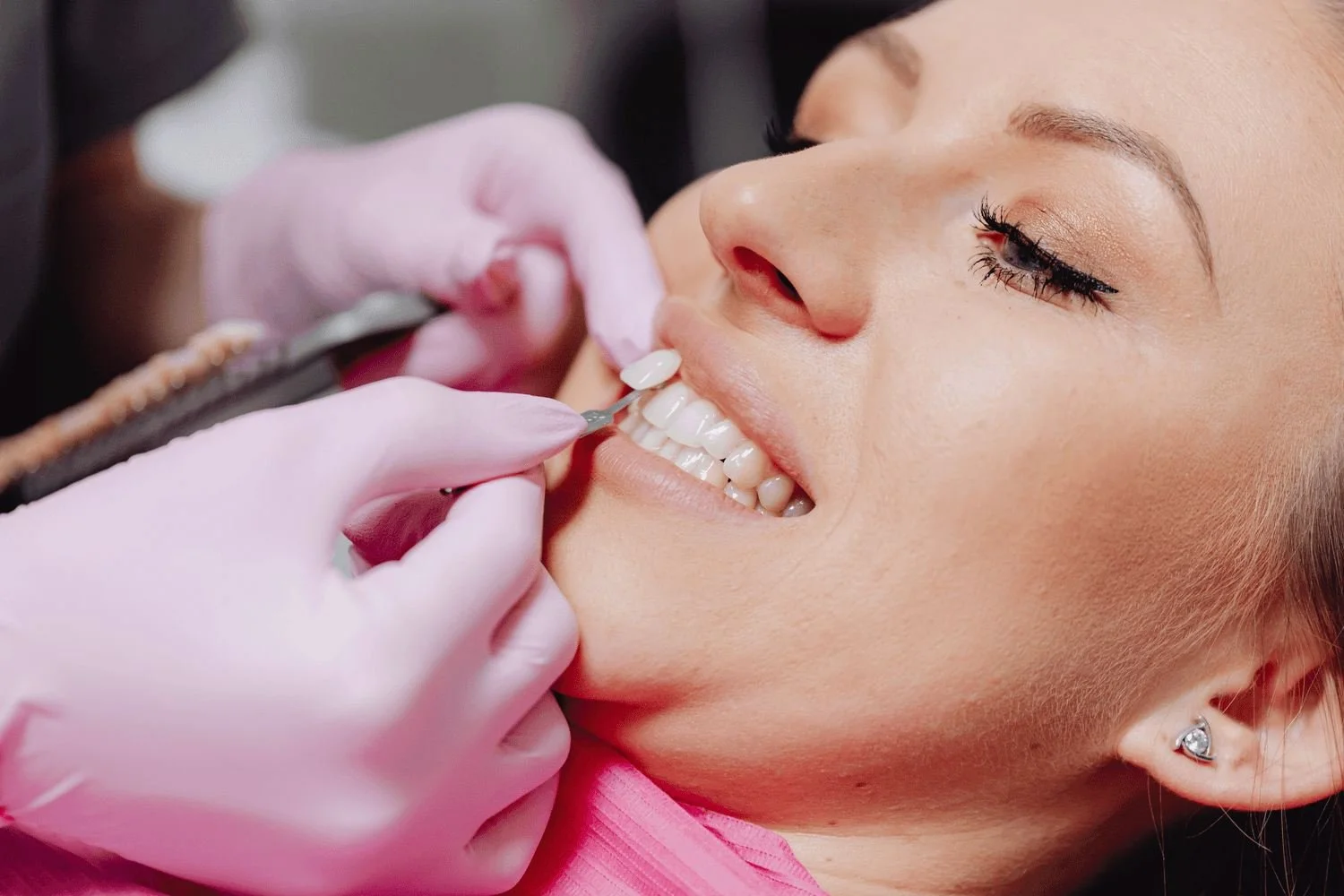
Knowing how to respond during a dental emergency can help protect your teeth and reduce complications while you arrange professional care. Here are the steps to take if you find yourself in a crisis.
Immediate At-Home Steps
Managing pain temporarily until you can reach a dentist helps maintain comfort. Over-the-counter pain relievers, when used as directed, can reduce discomfort. Cold compresses applied to the outside of the face decrease swelling and numb pain. Avoid placing aspirin directly against the gums, as this can burn tissue.
Controlling bleeding requires gentle but firm pressure using clean gauze or cloth. Apply continuous pressure for 10-15 minutes. If bleeding persists, seek immediate care. For knocked-out teeth, time is critical. Every minute counts in preserving a knocked-out tooth, and proper preservation maximizes the chances of reimplantation.
What NOT To Do
Avoiding certain actions prevents additional damage during emergencies. Never use sharp objects to remove anything from your teeth or gums, as this can cause further injury. Don't apply aspirin or other medications directly to damaged tissues, which can cause chemical burns.
Most importantly, don't delay seeking care when you experience severe pain, swelling, fever, or significant injury. Waiting often allows problems to worsen, requiring more extensive treatment and potentially resulting in tooth loss that could have been prevented.
Where To Go for Emergency Dental Care
Choosing the appropriate care location depends on the severity and nature of your dental emergency.
When to Choose an Emergency Dentist
Emergency dentists provide the most appropriate care for the majority of urgent dental situations. Dental practices equipped to handle emergencies can address knocked-out teeth, severe pain, dental infections, broken teeth, and lost restorations. Many dental offices reserve time for emergency appointments and offer after-hours or weekend care for urgent situations.
Dental professionals have specialized equipment and expertise to perform emergency dental procedures, such as temporary restorations, tooth stabilization, drainage of dental infections, and pain management specific to dental problems.
When to Visit an Urgent Care or ER
Severe facial swelling that affects breathing or swallowing, uncontrolled bleeding from mouth injuries, jaw fractures, and signs of serious infection spreading beyond the mouth all warrant ER visits.
However, emergency rooms typically cannot perform definitive dental treatments. They can address immediate medical concerns, prescribe antibiotics and pain medications, and provide referrals to dental specialists, but you'll still need follow-up dental care for complete treatment. If you suspect a life-threatening emergency, call emergency services right away.
What to Expect When Seeking Emergency Dental Care
Emergency dental care visits focus on immediate problem resolution and pain relief. Your dentist will evaluate the situation, take necessary X-rays, and develop a treatment plan. Common emergency procedures include root canal therapy to treat infections, tooth extractions when teeth cannot be saved, temporary or permanent fillings and crowns, drainage of abscesses, and sutures for soft-tissue injuries.
The immediate goal is to stabilize the situation and prevent further damage. Some treatments may require follow-up appointments for completion, but emergency care addresses urgent needs quickly.
Preventing Dental Emergencies
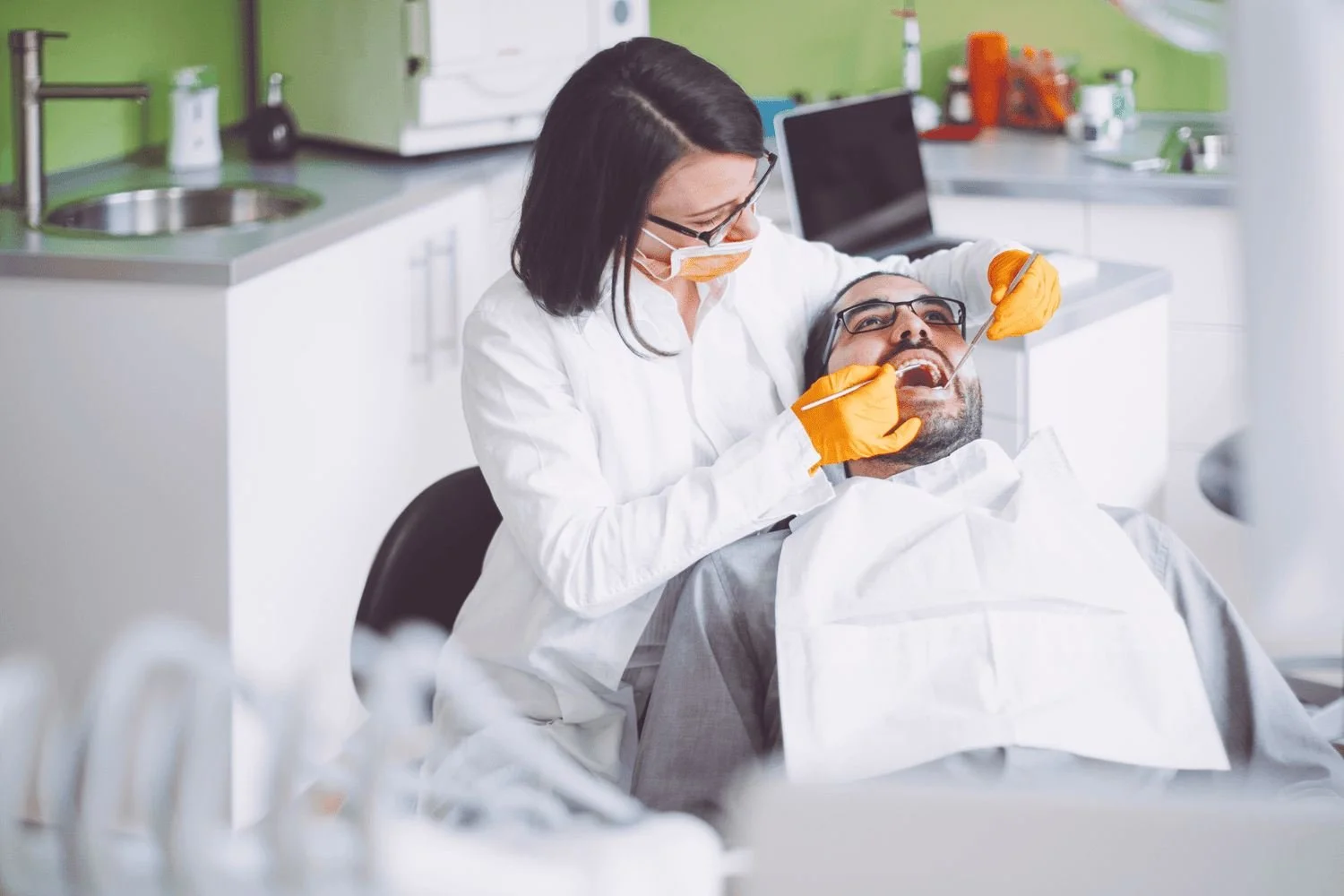
While not all emergencies can be prevented, many do result from avoidable situations. Here are some ways to prevent those situations in the first place.
Routine Oral Care and Early Treatment
Regular dental checkups identify problems before they become emergencies. Dentists can detect and treat small cavities, minor cracks, and early gum disease before they progress to painful infections or structural failures that need urgent care.
A small cavity that causes no symptoms can be filled during a routine appointment, preventing the infection and severe pain that would later require emergency treatment.
Protecting Teeth During Daily Activities
If you play a sport, wearing a mouthguard protects your teeth from injuries. Custom mouthguards from your dentist provide better protection compared to store-bought versions.
Avoiding hard foods that can crack teeth, not chewing ice, and avoiding using your teeth to open packages can help prevent common causes of broken teeth and dental emergencies.
Long-Term Habits for Stronger Teeth
Brushing twice daily with fluoride toothpaste and flossing daily removes plaque that causes decay and gum disease. Fluoride and ingredients such as hydroxyapatite strengthen tooth enamel, making it more resistant to damage and decay. Avoid sugary foods and acidic beverages as much as possible to protect enamel and prevent decay.
How Total Health Dental Care Can Help with Emergency Care
When dental emergencies strike, prompt professional evaluation provides the best outcomes for pain relief, tooth preservation, and protection of oral health. Delaying treatment allows problems to worsen, often resulting in more extensive and expensive procedures.
At Total Health Dental Care, we understand that dental emergencies don't follow convenient schedules. Our commitment to providing safe, reliable, and timely emergency care ensures you receive the treatment you need when you need it most. Early intervention often makes the difference between saving and losing a tooth, and our experienced team is equipped to handle urgent dental situations with expertise and compassion.
FAQ
Does insurance cover emergency dental?
Insurance may cover emergency dental treatment, but the extent of coverage depends on your specific plan. Many policies classify emergency care as basic or major services, with different coverage percentages and deductibles, so it’s important to review your benefits or contact your insurance provider directly. Many dental offices offer payment plans or financing options for emergency care costs not covered by insurance.
Do emergency rooms have dentists?
Most emergency rooms do not have dentists on staff, but they can manage complications from dental problems such as severe pain, swelling, or bleeding. However, they cannot perform most dental procedures, such as root canals, extractions, or restorations. After ER treatment, you'll still need to see a dentist for definitive dental care.
How to get an emergency dentist appointment?
Search for an emergency dentist or dental clinic in your area that offers same-day or walk-in appointments, and call to explain your symptoms clearly so the staff can assess the urgency. Many dental practices, including Total Health Dental Care, offer online emergency scheduling, providing quick access to care when you need it most.
