
How to Tell if You’re Grinding Your Teeth
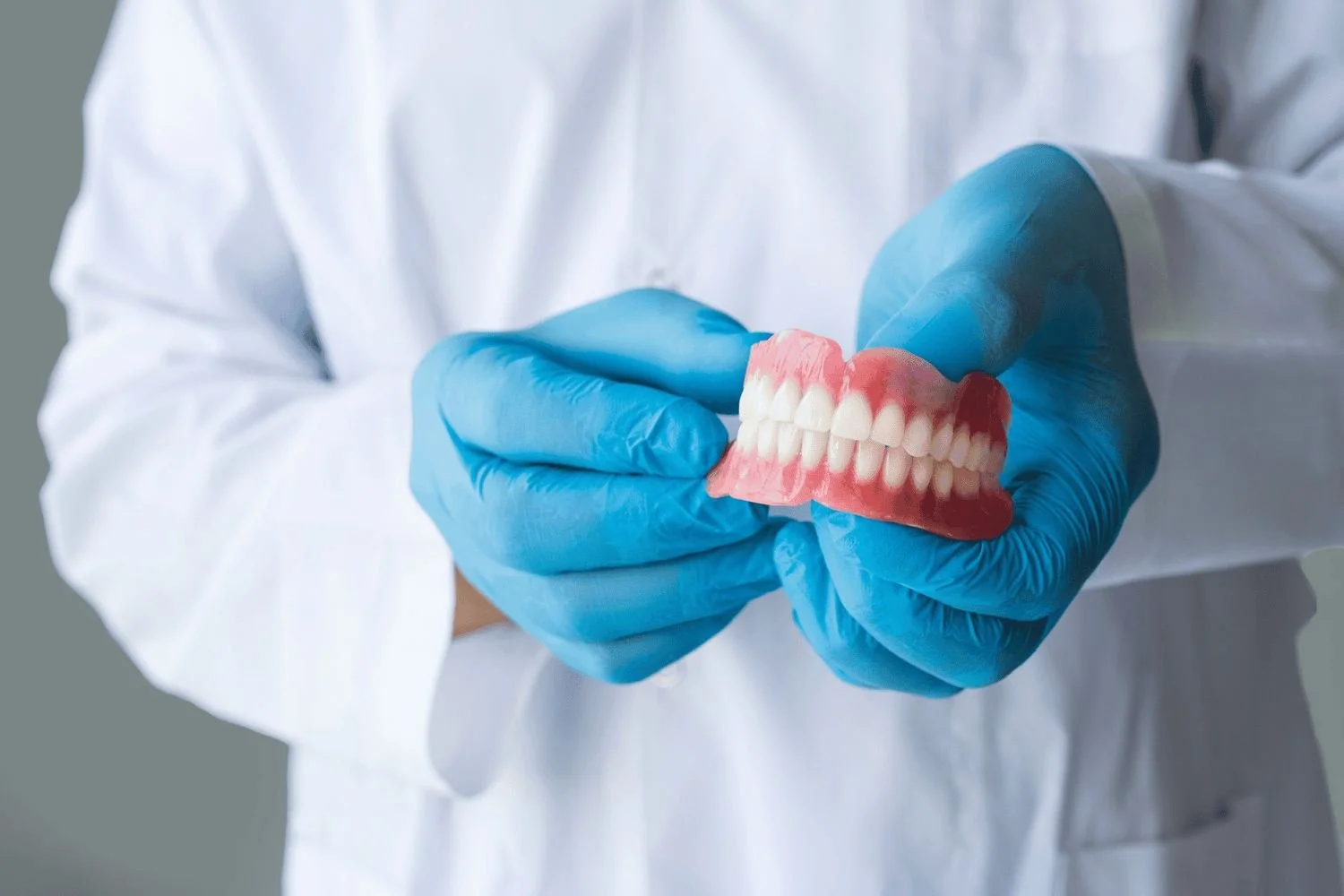
Teeth grinding, medically known as bruxism, affects millions of Americans and can cause significant damage to oral health if left untreated. Many people unknowingly grind or clench their teeth during sleep, waking up with unexplained jaw pain, headaches, or worn tooth enamel.
While occasional teeth clenching may not cause serious problems, chronic teeth grinding can lead to damaged teeth, jaw disorders, and persistent discomfort. The condition is particularly common during sleep, making it difficult for people to recognize they have a problem until symptoms become noticeable or a dental professional identifies signs of wear during a routine examination. In this blog, we’ll go over the causes and available treatments.
What is Teeth Grinding (Bruxism)?
Bruxism refers to the involuntary grinding, gnashing, or clenching of teeth. This condition can occur during the day (awake bruxism) or at night during sleep (sleep bruxism). Sleep bruxism is more common and often goes unnoticed by the person experiencing it, though sleep partners may hear the grinding sounds.
The condition manifests in different ways. Some people grind their teeth forcefully, producing audible sounds and causing rapid tooth wear. Others clench their jaw muscles tightly without actually grinding their teeth together, which can still cause jaw pain and muscle tension even without obvious tooth damage.
Grinding teeth in sleep is a particular challenge because people are unaware they're doing it. The unconscious nature of sleep bruxism means it often continues for extended periods before diagnosis, allowing damage to accumulate over time.
Causes of Teeth Grinding
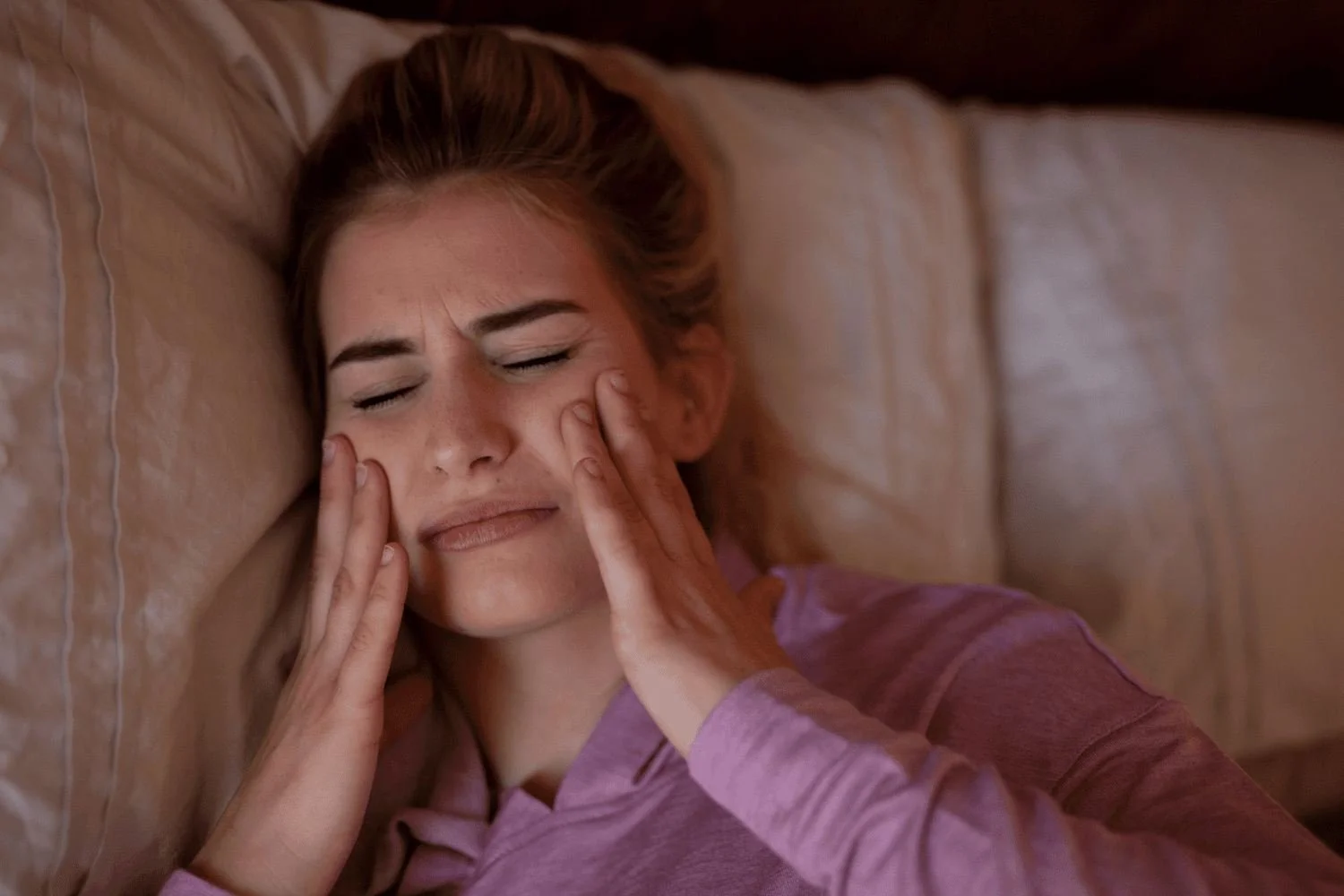
Multiple factors contribute to bruxism, and many people experience a combination of triggers.
Stress and anxiety are among the most common contributors. When people experience high levels of stress during the day, their bodies may respond by clenching or grinding teeth during sleep as a physical manifestation of that tension. Work pressures, relationship problems, and financial concerns can all trigger stress-related bruxism.
Sleep disorders create another significant risk factor for crushing teeth during sleep. Sleep apnea, in particular, shows strong associations with bruxism. When breathing becomes obstructed during sleep, the body may respond by grinding teeth as part of arousal mechanisms that restore normal breathing.
Misalignment issues, such as crooked or missing teeth or bite problems, can also contribute to grinding. When teeth don't fit together properly, the jaw may subconsciously work to find a more comfortable position, leading to grinding or clenching.
Lifestyle factors also play important roles in bruxism for some people. Consuming caffeine, alcohol, or certain medications can increase the likelihood of teeth grinding. Smoking and recreational drug use have also been linked to higher rates of bruxism.
Signs and Symptoms of Teeth Grinding
Recognizing the warning signs of bruxism allows for earlier intervention and prevention of serious damage. Many symptoms develop gradually, making them easy to overlook until they become severe.
Worn-down teeth are among the most apparent signs of chronic grinding. The tooth enamel gradually wears away, causing teeth to appear flattened, fractured, or chipped. In severe cases, grinding can wear teeth down to stumps, exposing the deeper layers and requiring extensive dental restoration.
Jaw pain or stiffness, particularly upon waking, indicates that grinding occurred during the night. The temporomandibular joints (TMJ) and surrounding muscles become fatigued from hours of clenching, leading to soreness that may persist throughout the day.
Tooth sensitivity develops as enamel wears away and the underlying dentin becomes exposed. People with bruxism often experience discomfort when consuming hot, cold, or sweet foods and beverages.
Headaches, particularly tension headaches that seem to originate from the temples, frequently accompany teeth grinding. The constant muscle tension radiates pain throughout the head and face.
The Impact of Grinding Teeth in Sleep
The consequences of grinding your teeth during sleep extend beyond simple tooth wear. Repeated grinding creates cumulative damage that affects multiple aspects of oral health.
Tooth wear and tear occurs gradually but persistently. Each night of grinding removes microscopic amounts of enamel, and over months or years, this results in significant structural changes to teeth. The protective enamel layer thins, and teeth become more vulnerable to decay and damage.
Jaw and muscle tension from nightly grinding creates chronic discomfort that impacts daily activities. The muscles responsible for chewing become overworked and fatigued, making eating uncomfortable and potentially causing muscle spasms.
Increased risk of cracked teeth and gum recession can develop as grinding places abnormal forces on teeth and surrounding tissues. The pressure can cause teeth to crack vertically, creating serious dental emergencies. Additionally, the forces may contribute to gum recession, exposing tooth roots, and increasing sensitivity.
How to Stop Grinding Teeth
Addressing how to stop grinding your teeth requires a multifaceted approach that targets underlying causes while protecting your teeth from further damage.
Stress management techniques provide one of the most effective interventions for bruxism. Practicing relaxation methods before bedtime, such as meditation, deep breathing exercises, or progressive muscle relaxation, can reduce nighttime grinding. Regular exercise also helps manage stress levels and may decrease bruxism frequency.
Improving overall sleep hygiene creates better conditions for restful sleep without grinding. Establishing consistent sleep schedules, creating comfortable sleep environments, and avoiding stimulating activities before bed all contribute to better sleep quality and reduced bruxism.
Limiting caffeine and alcohol consumption, particularly in the evening hours, helps reduce grinding tendencies. Both substances can interfere with sleep quality and increase muscle tension that contributes to bruxism.
Teeth Grinding Treatment Options
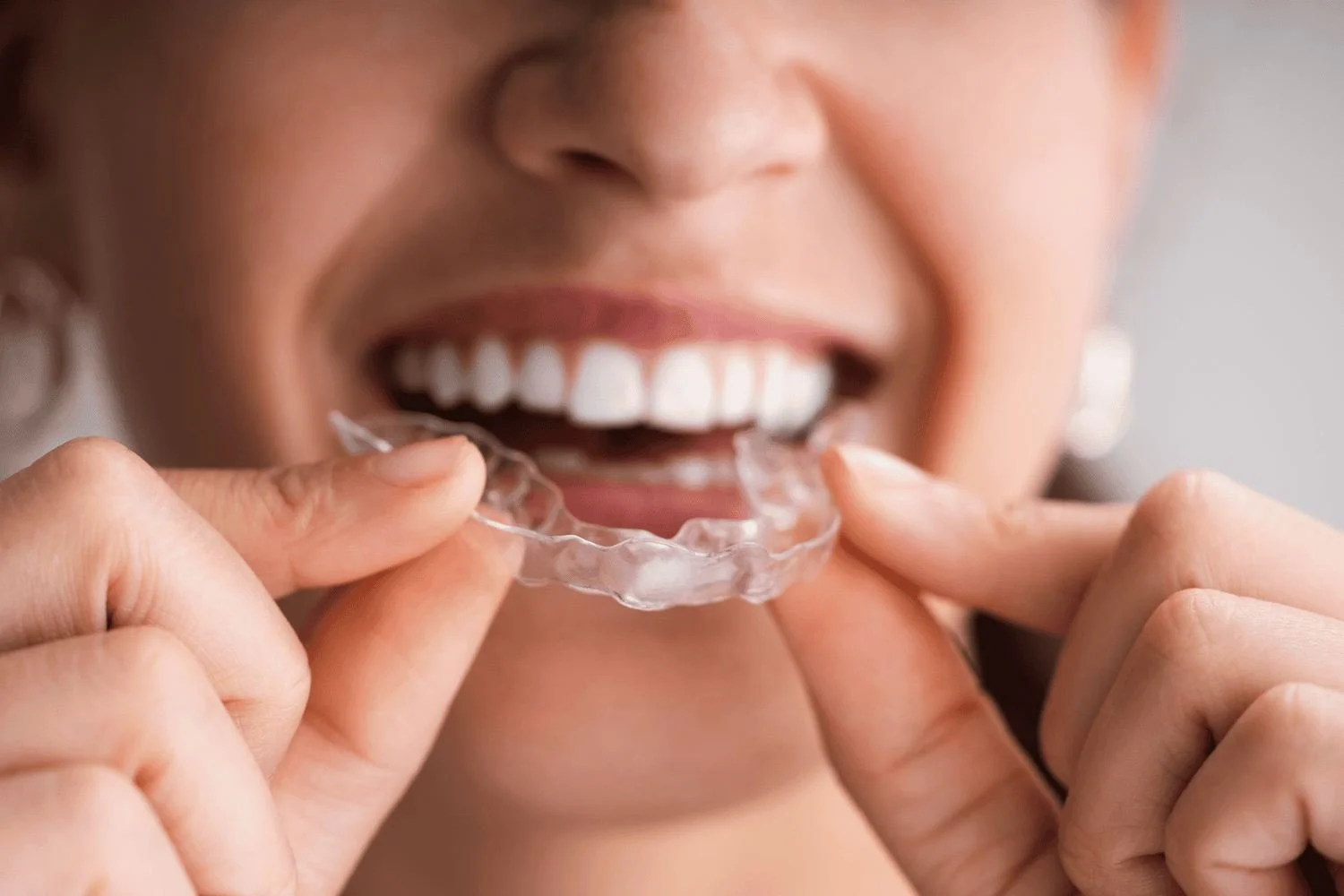
Professional treatment options provide effective solutions for managing bruxism and protecting teeth from damage.
Dental solutions focus on preventing tooth damage through protective devices. Custom-fitted mouthguards worn during sleep create a barrier between upper and lower teeth, preventing direct contact and cushioning grinding forces. These night guards protect tooth enamel while reducing muscle strain and jaw pain. Over-the-counter options are available, but custom guards fitted by dentists provide superior comfort and protection.
Therapy approaches address the psychological components of bruxism. Cognitive Behavioral Therapy (CBT) helps people identify and modify stress responses that contribute to teeth grinding. Biofeedback techniques teach people to become aware of jaw clenching and grinding, allowing them to relax those muscles consciously.
Medications may be prescribed in certain cases. Muscle relaxants taken before bed can reduce grinding by decreasing muscle tension. However, medications are typically used short term due to potential side effects and the risk of dependency.
Bruxism Treatment with Botox
Botox injections are an additional innovative treatment approach for severe bruxism. The botulinum toxin temporarily weakens the masseter muscles responsible for grinding, reducing their ability to clench with damaging force.
This treatment works by temporarily weakening the jaw muscles, decreasing grinding intensity without eliminating jaw function. Patients can still chew and speak normally, but the muscles lack the strength to grind with harmful force during sleep.
Benefits include a significant reduction in grinding-related pain and tooth wear. The effects typically last three to six months and may require periodic retreatment. Considerations include cost, the need for repeated treatments, and potential temporary side effects, such as difficulty chewing tough foods or mild changes in bite or muscle feel. Treatment should be performed by a qualified provider experienced in managing bruxism with Botox.
How to Repair Damaged Teeth from Bruxism
Once damage occurs, various dental restoration options can repair and restore affected teeth.
Dental restorations repair structural damage and restore function. Crowns cover severely worn or cracked teeth, providing protection and restoring the tooth's proper shape. Veneers address cosmetic concerns by covering the front surfaces of worn teeth with thin porcelain shells. Fillings repair smaller areas of damage and help prevent further wear.
Advanced cosmetic dentistry options can completely transform smiles damaged by years of grinding. Full-mouth reconstruction may be necessary in severe cases, involving multiple restorations to restore proper bite relationships and tooth structure.
Managing Teeth Grinding for Better Oral Health
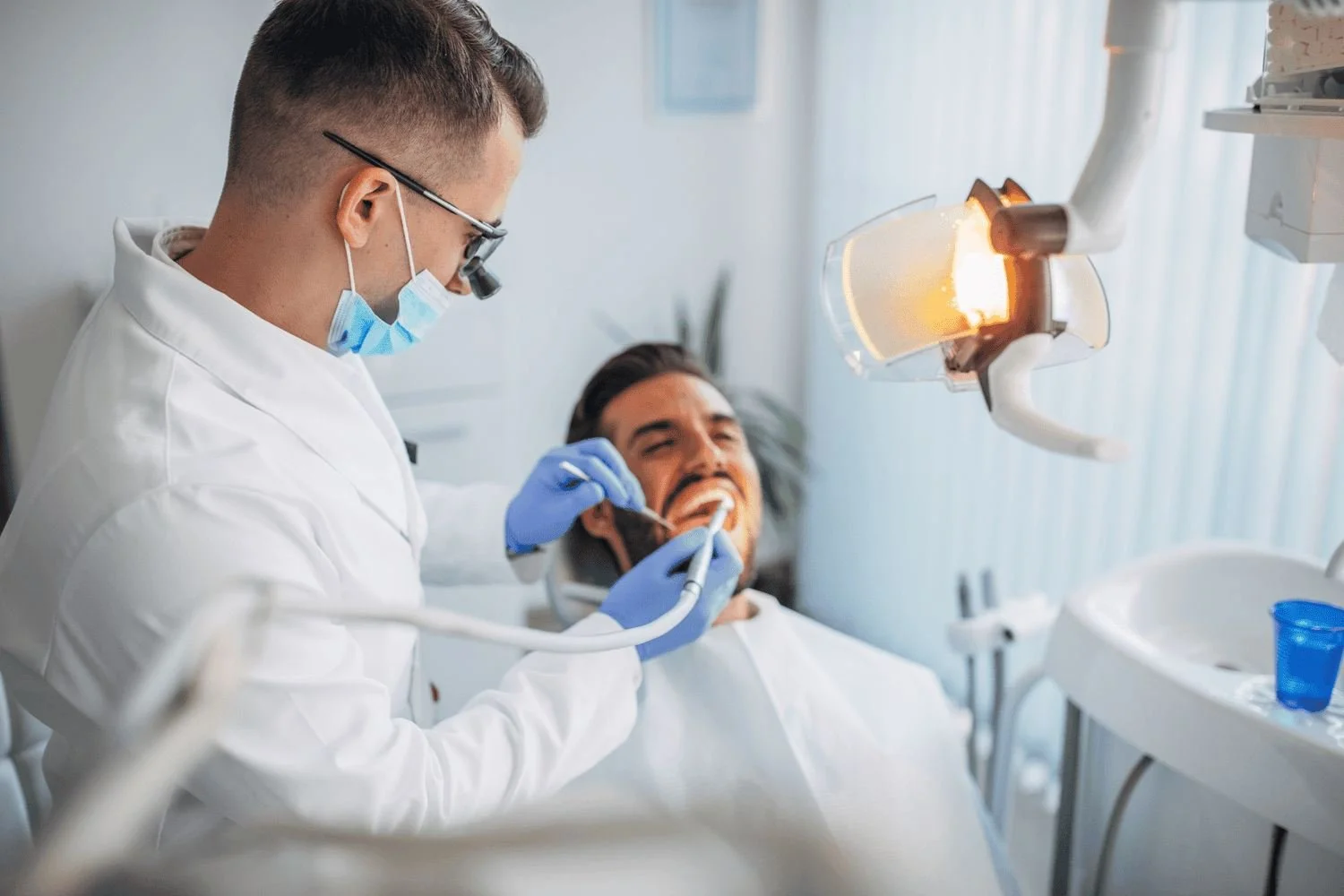
Early diagnosis and treatment of bruxism prevent progression to serious dental problems. Regular dental examinations allow professionals to identify signs of grinding before extensive damage occurs, enabling proactive intervention.
Addressing teeth grinding improves overall oral health and prevents long-term complications. Protecting teeth from grinding preserves natural tooth structure, maintains proper bite function, and prevents the need for extensive dental work. Additionally, reducing jaw tension improves quality of life by eliminating chronic pain and headaches.
If you suspect you're grinding your teeth, consult with a Total Health Dental Care professional for personalized evaluation and treatment recommendations. Early intervention protects your teeth and improves your comfort.
Frequently Asked Questions
Why do people grind their teeth at night?
People grind their teeth at night most often because of stress, anxiety, or sleep-related disorders such as sleep bruxism. It can also be associated with conditions like obstructive sleep apnea, medications, or an abnormal bite. The unconscious nature of sleep allows tension to manifest physically through jaw clenching and grinding.
What happens when you grind your teeth?
Grinding your teeth gradually wears down the enamel, which can cause tooth sensitivity, cracks, and an increased risk of decay. It can also strain the jaw muscles and joints, leading to jaw pain, headaches, or temporomandibular joint (TMJ) problems. Over time, untreated grinding may result in severe tooth damage requiring extensive dental restoration.
How to stop grinding teeth in the day?
Stopping daytime grinding starts with becoming aware of the habit and training yourself to keep your teeth apart and jaw relaxed when you’re not eating. Stress management, posture awareness, and relaxation techniques can help reduce triggers for clenching. A dentist may also recommend a bite guard or refer you for physical therapy or behavioral strategies if grinding is frequent or severe.
What does teeth grinding look like?
Teeth grinding often appears as flat, worn-down chewing surfaces, especially on the back teeth, and may include small chips or fractures. The edges of the teeth can look shorter or more even than normal, and in some cases, fillings or dental work may appear worn. Dentists can identify early grinding patterns and other signs of bruxism during examinations, even before visible damage becomes apparent.
What does teeth grinding sound like?
Teeth grinding typically sounds like a harsh, scraping, or grating noise as the upper and lower teeth rub against each other. The sound resembles nails on a chalkboard or stones grinding together. Volume varies with grinding intensity, with some people producing barely audible grinding while others produce sounds loud enough to disturb household members.
