
What Is a Dental Crown & When Is It Needed?

Dental crowns are among the most common procedures in cosmetic and restorative dentistry, yet many patients feel uncertain when their dentist recommends one. You might hear your dentist mention terms like "tooth crown" or "crown for tooth" during an exam and wonder exactly what they mean and why you need one.
This guide explains everything you need to know about dental crowns, from the different types available to the complete procedure process. You'll learn how crowns restore damaged teeth, protect weakened tooth structure, and improve your smile's appearance.
What Is a Dental Crown?
A dental crown is a custom-made cap that covers a damaged or weakened tooth. The edge of the crown typically sits at or near the gum line (and in some cases slightly below it), depending on where the damage is. Sometimes called a "tooth crown" or "cap," this restoration mimics the natural shape, size, and appearance of your original tooth while providing added strength and protection.
The primary purpose of a crown for a tooth involves restoring the tooth's function and appearance after damage, decay, or dental procedures. Crowns strengthen compromised teeth, prevent further damage, and restore your ability to chew. Crowns can also improve the appearance of misshapen or severely discolored teeth that don't respond well to whitening treatments.
Modern crowns are made from various materials chosen based on the tooth's location, your aesthetic preferences, and function. Common materials include all-ceramic or porcelain for natural appearance, metal alloys for maximum durability, porcelain-fused-to-metal combinations, and zirconia for both strength and aesthetics. Your dentist will recommend the most appropriate material based on which tooth needs restoration and your specific situation.
When Is a Dental Crown Needed?
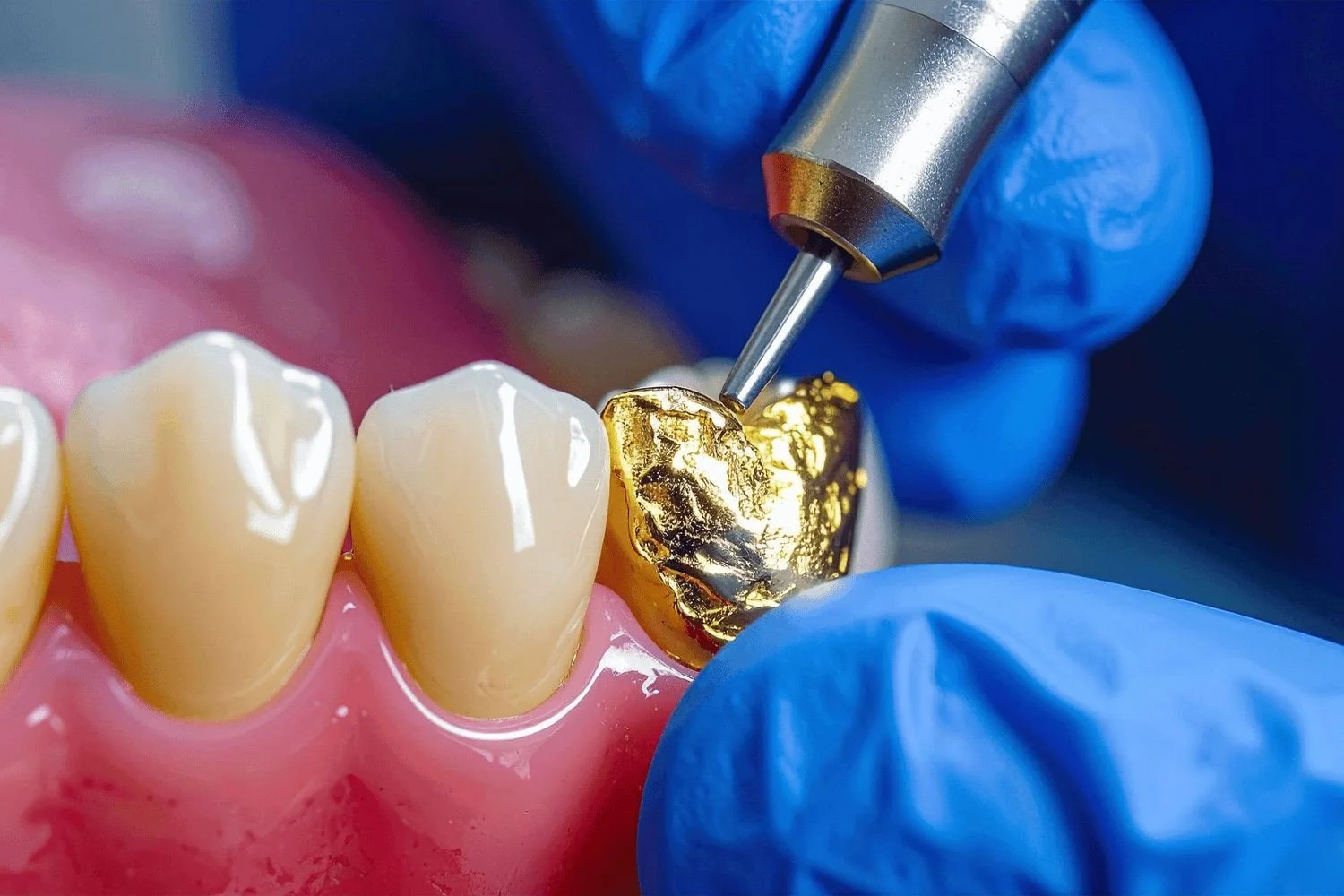
Several dental conditions may require crown placement to restore tooth function and prevent further damage.
Common Dental Issues Requiring a Crown
Large cavities or extensive tooth decay often require a crown. When decay has destroyed too much tooth structure for a simple filling to work effectively, a dental crown can provide the strength needed to preserve the remaining tooth. The crown protects weakened enamel and prevents the tooth from fracturing under normal chewing pressure.
Cracked, broken, or severely worn-down teeth benefit significantly from crown restoration. Cracks can extend deeper into the tooth over time, potentially requiring root canal therapy or extraction if left untreated. A crown holds the tooth together, prevents crack progression, and restores full function.
After root canal therapy, teeth typically need crown protection because the procedure removes the infected or inflamed pulp (nerve and blood vessels) inside the tooth. Teeth that have had root canal treatment, back teeth or teeth with large restorations, can be more prone to fracture. A tooth crown protects the treated tooth and prevents breakage that would otherwise require extraction.
Dental implant restorations require crowns to replace the visible portion of missing teeth. The crown attaches to the implant post that's been placed in the jawbone, creating a complete tooth replacement that functions like a natural tooth.
Another valid reason for crown placement is simple cosmetics. Teeth that are severely discolored, misshapen, or have other concerns can be covered with crowns to create a more attractive smile. Unlike veneers, which cover only the front surface, crowns provide complete coverage and can address more severe cosmetic issues.
Tooth Crown vs Other Dental Restorations
Fillings work well for small to moderate cavities, but they can't provide the strength and protection needed when extensive tooth structure is missing. Large fillings may eventually crack or break, requiring more extensive treatment.
Veneers cover only the front surface of teeth and are best suited for cosmetic improvements on otherwise healthy teeth. They can't restore severely damaged teeth or provide the structural support that crowns offer.
Onlays are the middle ground between fillings and crowns, covering one or more cusps of a tooth but not providing complete coverage. Dentists recommend onlays when damage is significant, but it usually doesn't require a full crown.
Dental crowns are often preferred for long-term durability when substantial tooth structure has been lost. They distribute chewing forces evenly across the entire tooth and provide superior protection compared to other restoration options.
Types of Dental Crowns
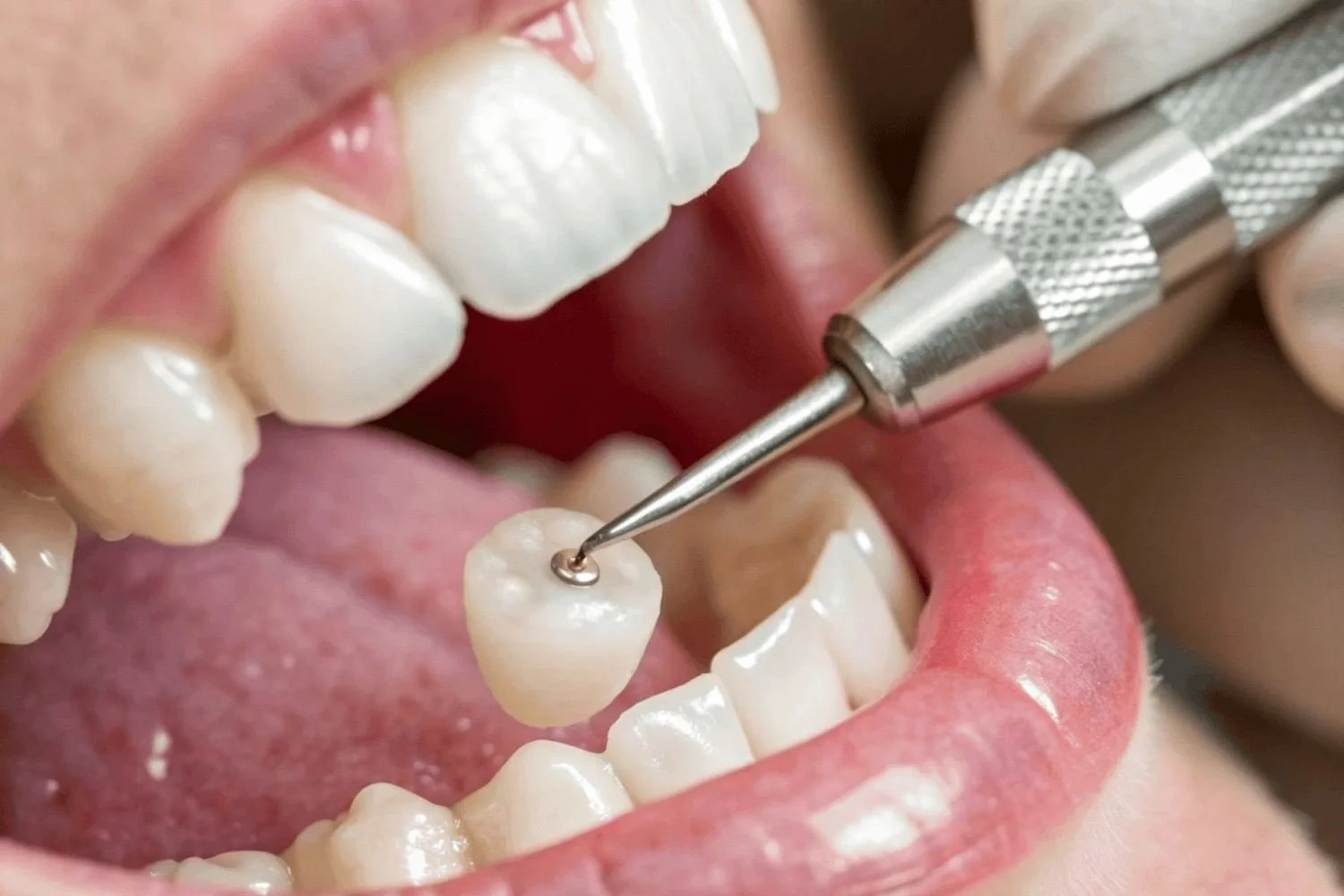
Several types of dental crowns are available, each with specific advantages suited to different situations.
Permanent Crown Types
Porcelain or ceramic crowns provide the most natural appearance, making them ideal for front teeth. These crowns can be precisely color-matched to your surrounding teeth, creating seamless results. All-ceramic crowns contain no metal, eliminating the dark line that sometimes appears at the gum line with other crown types. The material works particularly well for patients with metal sensitivities.
Metal crowns made from gold alloys or other metal combinations offer exceptional durability and longevity. These crowns resist wear extremely well and rarely chip or break, making them excellent choices for back molars that endure significant chewing forces. Metal crowns require less tooth reduction during preparation compared to other types. The metallic appearance limits their use to back teeth, where aesthetics are less important.
Porcelain-fused-to-metal (PFM) crowns combine the strength of metal with the natural appearance of porcelain. These crowns feature a metal interior for structural support covered with a porcelain exterior that matches natural tooth color. PFM crowns offer good durability and acceptable aesthetics for both front and back teeth. However, the porcelain layer can chip over time, and a thin dark line may become visible at the gum line as gums recede.
Zirconia crowns are a newer option that provides both high strength and excellent aesthetics. This material resists chipping and fracture while maintaining a natural appearance, similar to that of all-ceramic crowns. Zirconia works well for both front and back teeth.
Temporary Crowns
Temporary crowns provide short-term protection while your permanent crown is fabricated in a dental lab. These crowns, typically made from acrylic or composite resin, protect the prepared tooth and maintain spacing between teeth during the waiting period.
Dentists usually place temporary crowns immediately after preparing the tooth. They function adequately for eating and speaking, but aren't designed for long-term use. Patients must be careful with temporary crowns, avoiding sticky or hard foods that might dislodge them before the permanent crown is ready.
Same-Day Crowns
Same-day crown technology allows dentists to design, fabricate, and place permanent crowns in a single appointment. Using digital scanning and computer-aided design and manufacturing (CAD/CAM) systems, dentists can create custom crowns from ceramic blocks while you wait.
This approach eliminates the need for temporary crowns and multiple appointments. The technology produces high-quality restorations that function comparably to traditional lab-made crowns.
Dental Crown Procedure: What to Expect

The process begins with an initial exam. Your dentist evaluates the damaged tooth, takes X-rays to assess the tooth's internal structure and surrounding bone, and discusses treatment options.
Tooth preparation is often performed during the same visit as the evaluation, depending on the tooth and your treatment plan. Your dentist administers local anesthesia, then reshapes the tooth by removing damaged or decayed portions and reducing the tooth's size to accommodate the crown. The amount of reduction depends on the dental crown type being used. After preparation, your dentist takes impressions or digital scans of the prepared tooth and surrounding teeth.
Temporary crown placement happens immediately after tooth preparation. This temporary restoration protects the prepared tooth and maintains proper spacing until your permanent crown is ready. You'll receive instructions on caring for the temporary crown and foods to avoid.
Permanent crown fitting occurs once the dental laboratory completes your custom crown, often within two to three weeks. Your dentist removes the temporary crown, checks the fit and appearance of the permanent crown, and makes any necessary adjustments. Once you and your dentist are satisfied with the fit and appearance, the crown is permanently cemented in place.
Recovery and Aftercare Tips
Most patients experience mild discomfort and sensitivity following crown placement. This typically resolves within a few days as you adjust to the new restoration. Over-the-counter pain relievers are typically all that’s needed.
Caring for your new crown involves the same good oral hygiene practices you use for natural teeth. Brush twice daily, floss carefully around the crown, and maintain regular dental checkups.
Regular dental visits allow your dentist to monitor the crown and surrounding tooth structure and identify any issues early. Some patients need crown replacement eventually due to normal wear or changes in the underlying tooth structure.
Choosing the Right Dental Crown Provider
At Total Health Dental Care, our skilled team uses advanced technology and proven techniques to deliver durable, natural-looking crowns tailored to your specific needs. We offer comprehensive consultations to help you understand your options and make informed decisions about your dental care.
FAQ
How much is a dental crown?
Dental crown costs vary based on the material used, tooth location, and geographic area. Porcelain and zirconia crowns typically cost more than metal crowns due to aesthetic considerations and material expenses. Most crowns range from several hundred to over a thousand dollars per tooth. Your dentist can provide specific cost estimates based on your treatment plan.
Does dental insurance cover crowns?
Many dental insurance plans provide partial coverage for crowns when they're medically necessary to restore damaged teeth. Many plans cover crowns as a major service (often around 50%, after the deductible), but coverage varies by plan and may be limited by waiting periods and annual maximums. Insurance may not cover crowns placed purely for cosmetic reasons. Contact your insurance provider to understand your specific coverage and any limitations.
How long does a dental crown last?
With the right care, dental crowns typically last 10-15 years, though many last significantly longer. Factors affecting longevity include the crown material, location in your mouth, your oral hygiene habits, and chewing patterns.
Are dental crowns painful?
The dental crown procedure itself shouldn't be painful because dentists use local anesthesia during tooth preparation. You may experience some sensitivity or mild discomfort after the anesthesia wears off, but this typically resolves quickly. Most patients find crown placement no more uncomfortable than getting a large filling.
