
Tooth Extraction Healing Stages: What the Socket Should Look Like

Getting a tooth extracted can feel like a major ordeal, but knowing what to expect will help you prepare for what comes afterward. Tooth extraction healing doesn't happen all at once. It unfolds over weeks and months as your body fills the gap. Knowing what to watch for at each healing stage of tooth extraction reduces anxiety and helps you take the right steps to support your body’s healing.
This guide walks you through the tooth extraction healing process, explains what happens at each stage, and helps you recognize signs your extraction socket is healing normally.
How Long Does Tooth Extraction Healing Take?
The complete tooth extraction healing process takes several months, though most noticeable recovery occurs during the first few weeks. Bleeding and early clot formation occur during the first hours and days, while the gum tissue gradually closes over the extraction site during the following weeks. Bone formation and remodeling within the socket continue for several months and can continue beyond six months.
The timeline varies based on several factors, including the tooth's location and how deeply rooted it was, extraction complexity and whether bone removal was necessary, your age and overall health, whether you smoke or use tobacco, your nutritional status, and how well you follow aftercare instructions. Some people heal faster than others, and it's normal for healing to take longer depending on the extraction's complexity, your health, and other individual factors that affect wound healing.
Immediate Recovery: First 24 Hours
Tooth extraction healing begins immediately after tooth removal. The extraction site fills with blood, which naturally clots to form a protective barrier over the socket. This blood clot is crucial for healing because it protects the bone underneath and allows healing tissue to grow.
Expect some bleeding or blood-tinged saliva during the first few hours after extraction. Light oozing may continue during the first day and should gradually decrease. Your dentist will provide gauze and instructions to apply gentle pressure for the recommended time, often around 30-45 minutes, to help control bleeding.
Swelling typically appears within the first 24-48 hours and may peak around day two or three. This is normal inflammation as your body responds to the injury. Apply ice packs for 15-20 minutes at a time as directed by your dentist during the first one to three days to help minimize swelling.
Pain and discomfort are expected but manageable with prescribed or over-the-counter pain medication. Your dentist will provide specific pain-relief recommendations and may prescribe stronger medication if needed. Nonsteroidal anti-inflammatory drugs (NSAIDs), such as ibuprofen, and/or acetaminophen are commonly recommended when they are safe for you to take. Follow your dentist's instructions and the medication label directions.
Early Healing: Days 1-7
During the first week of tooth extraction healing stages, the blood clot stabilizes, and your body begins forming new healing tissue within the socket. Active bleeding should decrease substantially after the first day, although mild oozing or blood-tinged saliva can sometimes persist. Contact your dentist if bleeding is heavy, does not slow with pressure, or otherwise concerns you.
Swelling and bruising may worsen before improving. Some discoloration of the gums and surrounding skin is normal, particularly with surgical extractions. Swelling typically begins improving after it peaks, though some residual puffiness may remain longer.
Pain gradually decreases during this week. By day three or four, many people can reduce pain medication or switch to milder options. If pain worsens after improving, contact your dentist as this could indicate dry socket, infection, or another complication.
Follow all aftercare instructions carefully during this critical healing stage of tooth extraction. This means avoiding smoking and alcohol, which can interfere with healing, eating soft foods that don't disturb the socket, maintaining gentle oral hygiene while avoiding trauma to the extraction site, and taking medications as directed.
Socket Closure: Weeks 1-2
By the end of week one, initial soft-tissue healing is typically well underway, and the original blood clot is gradually replaced by healing tissue. This healing stage marks an important transition as the extraction site becomes more stable.
Gum tissue begins growing over and around the socket during this phase. New healing tissue may appear pink, whitish, or yellowish as the site repairs itself. This new tissue is delicate, so continue following your dentist's instructions for brushing, rinsing, eating, and protecting the area.
Swelling should continue to decrease during this period for most patients. Most people can return to normal activities within several days to a couple of weeks, depending on the complexity of the extraction, though they should follow their dentist's guidance about strenuous exercise.
Sensitivity and minor discomfort may persist, but pain should generally improve rather than worsen. Dry socket, which occurs when the blood clot is lost or breaks down before the socket has adequately healed, causes severe pain that commonly develops within a few days of extraction. Contact your dentist if you experience sudden or worsening pain.
Intermediate Healing: Weeks 2-4
During this phase of tooth extraction healing, the socket continues filling in with healing connective tissue and developing bone. The extraction site becomes less tender and soft tissue gradually covers more of the socket.
Swelling is usually substantially improved by this stage. If swelling persists, increases or returns after initially improving, contact your dentist.
Many people can begin returning to a more normal diet well before the end of this phase. Gradually reintroduce firmer foods as comfort allows and follow any specific dietary restrictions provided by your dentist or oral surgeon.
Pain should be minimal or absent for many patients by the end of week four. Slight tenderness may still occur, but your dentist should evaluate significant or worsening pain.
Bone Healing: Weeks 4-12
The socket gradually fills with new bone tissue during the second and third months following extraction. This process is not visible from the surface, but it's crucial for long-term healing. During this phase, healing happens beneath the surface as your body forms and remodels new bone within the socket.
Gum tissue often continues to close over the extraction site during the first several weeks. Timing varies depending on the tooth removed, socket size, and extraction type. The socket becomes progressively less tender. By month three, the extraction site may feel largely healed even though bone formation and remodeling are still occurring underneath the gum tissue.
This extended tooth socket healing stage is important for anyone considering tooth replacement. No single waiting period is required before dental implant placement. Depending on the socket's condition, available bone, infection status, and other clinical factors, an implant may be placed immediately after extraction, after several weeks of healing, or after several months. Your dentist or oral surgeon determines the appropriate timing for your individual case.
Full Tooth Extraction Healing: Months 3-6
Bone formation and remodeling continue during the months after extraction. Substantial bone healing often occurs within the first several months, but remodeling of the extraction site and surrounding jawbone can continue for longer. This extended timeline doesn't mean you can't return to normal life. Most patients return to regular daily activities much earlier in the healing process.
If you plan to replace the extracted tooth with an implant, bridge, or denture, treatment timing depends on the replacement method and your individual healing. Some tooth replacement options can be planned or started much earlier than three months, while others require additional healing. Your dentist confirms adequate healing and discusses the appropriate treatment timeline.
Even after six months, the socket and surrounding jawbone may continue remodeling as the bone adjusts. Some continued bone resorption, or gradual loss of alveolar ridge width and height, naturally occurs after tooth extraction. If you plan to replace the tooth, your dentist may discuss options such as socket preservation or dental implant treatment based on your individual needs.
Signs of Normal Healing

Healthy tooth extraction healing generally includes pain and swelling that improve over time, bleeding or oozing that steadily decreases, healing tissue gradually covering the socket, increasing comfort when eating, and a gradual return to normal activities.
The appearance and timing of socket closure vary from person to person. Minor bruising, residual swelling, and slight sensitivity can be normal during the early stages of recovery.
Warning Signs That Something's Wrong
Contact your dentist if you experience severe or worsening pain a few days after extraction, which may indicate dry socket, fever or other signs of infection, heavy or persistent bleeding that does not improve with firm gauze pressure, swelling that worsens instead of improving, pus or foul-tasting drainage, or other symptoms that concern you.
Difficulty breathing or swallowing, uncontrolled bleeding or rapidly increasing facial or neck swelling can require urgent medical attention.
Taking Care of Your Extraction Site
Follow your dentist's aftercare instructions precisely. Avoid smoking and vaping because they can delay healing and increase the risk of complications such as dry socket. Avoid using straws during the early healing period as directed by your dentist because suction may disturb the blood clot. Eat soft foods initially, gradually returning to a normal diet as you feel comfortable. Maintain gentle oral hygiene while avoiding direct trauma to the extraction site. After the first 24 hours, your dentist may recommend gentle warm salt-water rinses; avoid vigorous swishing. Take prescribed antibiotics only if given and take them exactly as directed. Use pain medication and ice as directed.
Prepare for Recovery with Total Health Dental Care
If you need an extraction, our care team will answer your questions first so you fully understand the tooth extraction healing process and what to expect. Our Oakland and Berkeley locations provide comprehensive pre-extraction counseling, detailed aftercare instructions, and follow-up care to support normal healing.
Schedule a consultation to discuss tooth extraction or if you have concerns about healing after a recent extraction. Explore our dental services to learn about tooth replacement options after healing or as part of your extraction treatment plan.
FAQ
What does a normal healing extraction socket look like?
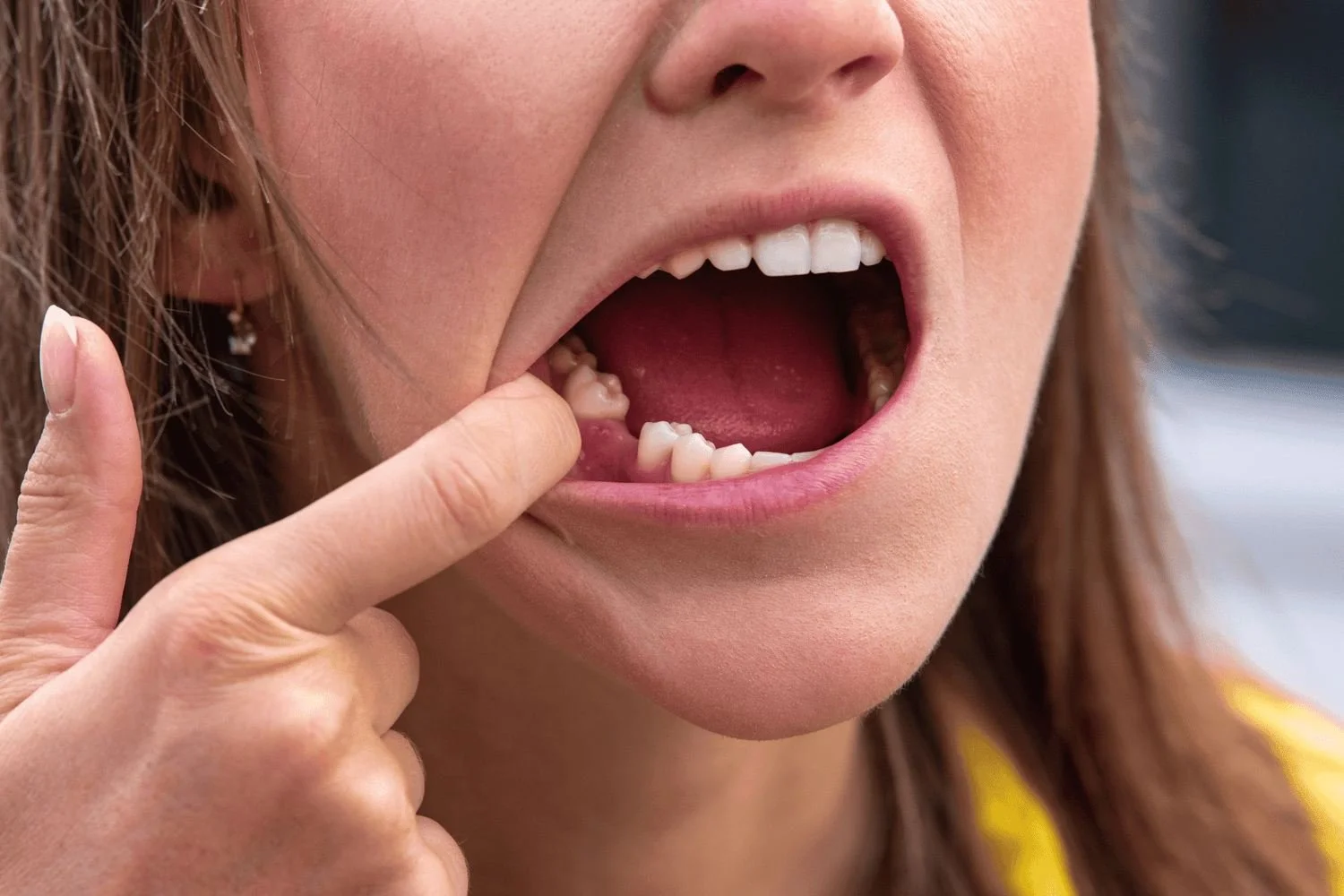
During the first few days, a normal extraction socket usually contains a blood clot that may look dark red or brown. As healing progresses, new tissue develops over the socket and may look pink, white, or yellowish. The socket should gradually shrink and become less noticeable as the gum tissue heals.
When is it safe to eat normally after extraction?
Stick to soft foods for the first few days while the blood clot stabilizes. As pain and tenderness improve, you can usually gradually introduce more solid foods. Avoid hard, crunchy, chewy, or spicy foods that could irritate the site during early healing, and try not to chew directly over the extraction area until it feels comfortable.
How long does tooth extraction healing take?
Early healing begins immediately after extraction, with a blood clot forming during the first day and new soft tissue developing during the following days and weeks. The gum tissue gradually closes over the extraction site during the first several weeks, while new bone develops within the socket over the following months. Substantial bone healing commonly occurs within several months, although bone remodeling can continue for six months or longer. Most people feel recovered well before the underlying bone has completely remodeled. Healing time varies based on the tooth removed, extraction complexity, overall health, smoking or tobacco use, and how closely you follow aftercare instructions.
