
What Does Tooth Nerve Pain Feel Like?

That sharp, shooting sensation in your tooth that makes you wince. The intense sensitivity when you bite down on something hard. If you've experienced this pain, you know how debilitating tooth nerve pain can be. Unlike general tooth discomfort, nerve pain in teeth can be more intense and may require dental evaluation.
The tricky thing about your tooth nerve hurting is that it can feel different for different people and can result from several different problems. You might experience sharp, shooting pain, or a dull, persistent throbbing. The pain might come and go, or it might be constant. Recognizing what tooth nerve pain feels like, what causes it, and when you need professional help is key.
This guide explains what tooth nerve pain feels like, common causes, signs of nerve inflammation or damage, and treatment options to help you get out of pain and back to normal.
Common Symptoms of Tooth Nerve Pain
Tooth nerve pain can feel different depending on the underlying cause. Most people describe the pain as sharp, shooting sensations that can be intense and sometimes unbearable. Others experience throbbing or pulsating pain that varies in intensity.
The sensation might come in waves, disappearing for hours or days, then returning suddenly. Some people feel nerve pain in teeth as a constant, dull ache that's always present but varies in severity throughout the day.
Many people notice extreme sensitivity to hot or cold foods and beverages. Ice cream, hot coffee, or even cold air can trigger sharp pain. Sweet foods or pressure from chewing may also trigger discomfort.
The pain location can be confusing. You might feel tooth nerve pain localized to one specific tooth, or it might feel like it's radiating into nearby teeth, spreading through your jaw, or even extending into your face or ear. This radiation makes it hard to identify which tooth is actually causing the problem.
Some people experience only brief flashes of pain when eating something cold or hard. Others have persistent, throbbing nerve pain in a tooth that interferes with sleep and concentration. The variation depends on what's actually affecting the nerve and how severely it's being irritated or damaged.
What Causes Nerve Pain in a Tooth?
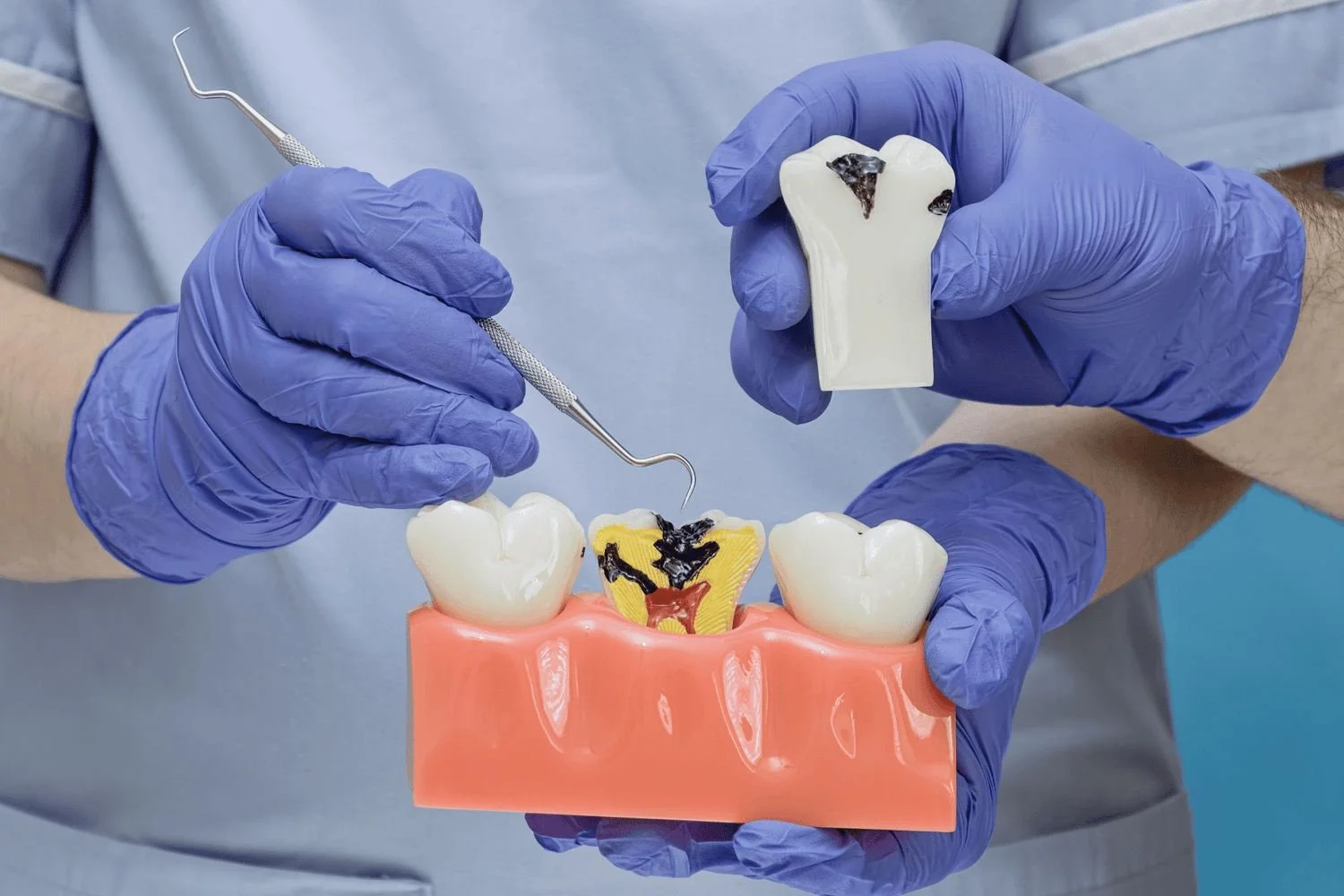
To understand tooth nerve pain, it helps to know where the nerve is. Each tooth has a chamber containing the pulp, which includes nerves, blood vessels, and connective tissue. The nerves within the pulp can cause pain when the tissue becomes irritated or inflamed.
When this nerve becomes irritated, inflamed, or damaged, you experience pain. Several situations can cause this problem.
Tooth Decay and Cavities
Deep decay that progresses toward the tooth's center can irritate the nerve. Small cavities may not cause pain, especially before decay reaches the tooth's deeper layers. But as decay deepens, it gets closer to the nerve and starts causing sensitivity and pain.
An untreated cavity can eventually cause more persistent nerve pain as bacteria work their way deeper into the tooth structure. The closer decay gets to the pulp, the more intense the pain may become.
Cracked or Damaged Teeth
Cracks or fractures can expose or irritate the pulp and surrounding tooth structures. Tooth nerve damage from a crack might not cause pain immediately, but movement in the cracked tooth while chewing can irritate the exposed nerve and cause sharp pain.
Dental trauma from accidents or injuries can cause an inflamed tooth nerve even without visible cracks. Sometimes the nerve responds to impact by becoming irritated, leading to delayed pain that develops hours or days after the injury.
Teeth Grinding and Clenching
Repeated pressure from grinding your teeth at night or clenching during stressful times can irritate the tooth and surrounding structures. This repeated stress can contribute to tooth sensitivity and pain by placing pressure on the teeth and surrounding structures.
Signs of an Inflamed or Damaged Tooth Nerve
An inflamed nerve might initially cause sensitivity that comes and goes. You notice discomfort when eating hot or cold foods, then it goes away when the stimulus is removed.
As nerve inflammation in the tooth worsens, symptoms become more obvious and persistent:
Lingering sensitivity after hot or cold exposure, not immediately going away when the stimulus is removed
Throbbing or spontaneous pain occurring without any trigger
Pain when biting or chewing, particularly on that side
Pain that interrupts sleep or wakes you from sleep
Increasing discomfort over days or weeks
Swelling in the gum around the affected tooth
Discoloration of the tooth
A change from occasional sensitivity to persistent or worsening pain can indicate a more significant dental problem and should be evaluated by a dentist.
Tooth Nerve Pain vs. Tooth Infection
Nerve pain in teeth and tooth infections can cause similar symptoms, but they're not always the same problem. A tooth nerve might be inflamed without infection. However, if bacteria reach the pulp chamber, infection can develop alongside nerve irritation.
Signs that suggest infection rather than just nerve irritation include facial or jaw swelling, fever, a bad taste in your mouth, drainage or pus around the tooth, a bump on the gums near the affected tooth, or swollen lymph nodes.
Infection requires prompt professional attention because it can spread beyond the tooth to surrounding tissues and bone if left untreated. Even without severe pain, you should have signs of infection evaluated immediately.
How Is Tooth Nerve Pain Diagnosed?
Your dentist examines the affected tooth and surrounding tissues, looking for visible decay, cracks, damage, or signs of infection. They assess your bite to see whether the tooth hits unevenly when you chew.
Testing helps identify the problem. Temperature sensitivity tests, often using cold and sometimes heat, help assess how the tooth’s pulp responds. Tapping the tooth or applying pressure helps determine if the problem is nerve-related or something else. X-rays can reveal decay, infection, and changes around the tooth or root that aren't visible during a clinical exam.
Your dentist asks detailed questions about your pain, including when it started, what triggers it, how long it lasts, and how severe it is. This information guides diagnosis and treatment planning.
Treatment for Tooth Nerve Pain

Tooth nerve pain treatment depends on the underlying cause and severity. Simply treating pain without addressing the cause is ineffective long-term.
Treating Cavities or Minor Tooth Damage
If a cavity or minor crack is irritating the pulp, treating the underlying problem may resolve the pain. A filling removes decay and seals the tooth, stopping irritation. If the crack is small, bonding or a filling might resolve it.
Root Canal Treatment
When the nerve is severely inflamed or infected, but the tooth can be saved, root canal treatment removes inflamed or infected pulp tissue, cleans the inside of the tooth, and seals it. Despite its reputation, root canal treatment relieves pain by removing the source of discomfort.
Tooth Extraction
If the tooth is severely damaged and cannot be saved, extraction removes the source of pain. After healing, replacement options like implants or bridges restore function.
When Should You See a Dentist for Tooth Nerve Pain?
Call your dentist if a tooth hurts repeatedly, the pain lasts more than a day or two, symptoms worsen over time, or you suspect nerve damage.
Severe pain, facial swelling, fever, or signs of infection need prompt attention. These symptoms suggest significant nerve involvement or a developing infection, both of which require prompt dental evaluation.
Early diagnosis often provides more treatment options and better outcomes than waiting until the problem becomes severe.
Find Relief from Tooth Nerve Pain at Total Health Dental Care
Tooth nerve pain can result from several problems, so professional evaluation is important to determine the right treatment. Our experienced dental team can identify nerve inflammation, nerve damage, or infection and recommend treatment based on the underlying cause.
We provide everything from simple cavity treatment through root canal therapy and extraction when necessary. Our team can evaluate your symptoms and explain the appropriate next steps for your tooth.
Schedule an appointment if you're experiencing persistent or worsening tooth pain. Don't let dental pain control your life.
Explore our complete dental services to learn more about available treatment options.
FAQ
How long will nerve pain in a tooth last?
Duration depends on the underlying cause. Temporary tooth nerve pain from sensitivity may resolve once you remove the irritating stimulus. Inflamed tooth nerve pain from early decay might come and go until the cavity progresses further or is treated. Severe pain from significant pulp inflammation, damage, or infection generally requires professional evaluation and treatment.
How do you relieve nerve pain in your teeth?
Over-the-counter pain relievers like ibuprofen or acetaminophen provide temporary relief from nerve pain in teeth, but they don't address the underlying cause. Avoiding hot, cold, and sweet foods reduces triggers. Using a soft toothbrush and fluoride toothpaste protects sensitive teeth. However, these are temporary measures. Professional treatment addressing the underlying cause is necessary for lasting relief. When the pulp is severely inflamed or infected, root canal treatment can address the source of the pain by removing the affected pulp tissue and treating the inside of the tooth.
What triggers tooth nerve pain?
Common triggers include hot or cold foods and beverages, sweet foods, hard or crunchy foods requiring heavy biting, and pressure from chewing. Temperature changes trigger sensitivity because the nerve responds to temperature stimuli. Biting triggers pain when a tooth has a crack or when nerve inflammation makes the tooth sensitive to pressure. For some people, even breathing in cold air triggers pain.
How can I tell if my tooth has nerve pain or an infection?
Nerve inflammation may cause sensitivity to temperature, pressure, or other triggers. Infection can cause similar pain along with symptoms such as swelling, fever, a bad taste, or drainage. An inflamed tooth nerve without infection causes pain but typically no systemic symptoms like fever. Fever, significant swelling, drainage, or pus can signal infection and warrant prompt dental care. When in doubt, professional evaluation determines what you're dealing with.
