
What is An Open Bite?
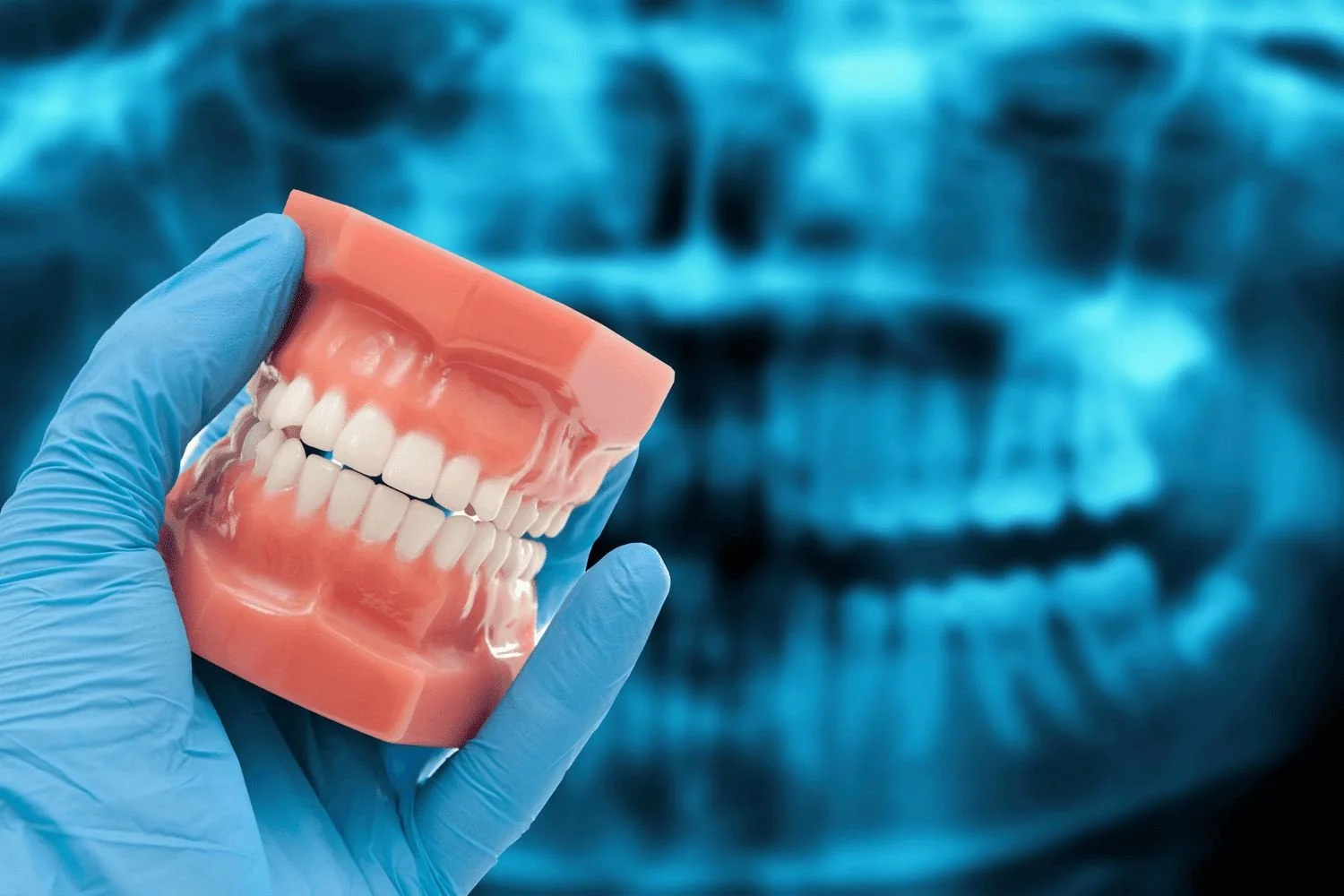
You bite down, but your front teeth don't actually touch. A noticeable gap remains where they should meet. If this describes your bite, you have what's called an open bite. While it might seem like a minor cosmetic issue, an open bite can affect how you chew, how you speak, and even your appearance.
Open bites are treatable, and the right approach depends on the cause and severity. Whether you've had an open bite since childhood or recently noticed this problem, modern orthodontics offers several effective solutions. This guide explains what an open bite is, why it happens, how it affects your oral health, and what open bite treatment options can help you achieve a properly aligned bite.
What Is an Open Bite?
An open bite is a specific type of bite misalignment where certain upper and lower teeth fail to make contact when your mouth is closed. Normally, when you close your teeth together, your upper and lower teeth meet in a smooth, aligned way. With an open bite, certain teeth remain separated even when your mouth is fully closed, leaving a visible gap.
Open bite teeth can involve your front teeth, back teeth, or sometimes both, depending on the type of open bite you have. The severity ranges from barely noticeable gaps that don't affect function to significant openings that interfere with eating and speaking.
What makes an open bite different from other bite problems is that it's not just about teeth being crooked or crowded. The relationship between your upper and lower teeth keeps them from meeting properly, even when you try to bite down fully.
Types of Open Bites
Open bites fall into two main categories based on which teeth fail to meet.
Anterior Open Bite
An anterior open bite occurs when your front upper and lower teeth don't meet while your back teeth come together normally. This is the most common type of open bite. You can see a clear space between your front teeth when you close your mouth.
An anterior open bite affects your ability to bite into foods like apples or sandwiches. It can also affect your speech, especially sounds that require your front teeth to make contact, like "t" and "d" sounds. Many people with an anterior open bite feel self-conscious about their smile because the gap is visible.
Posterior Open Bite
A posterior open bite occurs when your back teeth don't make proper contact while your front teeth meet. This can significantly affect chewing function since back teeth do most of the work breaking down food.
A posterior open bite may be harder to notice at first glance but can affect bite function and contribute to uneven chewing forces.
What Causes an Open Bite?
Before open bite treatment, it’s helpful to know what causes it. Open bite problems develop from a combination of factors involving jaw development, tooth positioning, and oral habits.
Common contributing factors include:
Prolonged thumb or finger sucking in childhood, which can affect front tooth positioning and jaw development.
Prolonged pacifier use in childhood, which can affect tooth positioning and jaw growth.
Tongue thrusting, an abnormal swallowing pattern where the tongue pushes forward against teeth, potentially contributing to an open bite.
Skeletal or jaw growth patterns where the upper and lower jaws don't grow proportionally, creating an inherent gap.
Genetics and natural tooth development determining how your teeth erupt and align.
Oral habits in adulthood, including mouth breathing or resting the tongue between the teeth.
In many cases, an open bite results from a combination of these factors rather than a single cause. For example, thumb sucking during early childhood may have started the problem, but tongue thrusting or jaw growth patterns may perpetuate it.
Signs and Symptoms of an Open Bite
Several signs indicate you might have an open bite:
A visible space between your upper and lower front teeth when you close your mouth
Difficulty biting through or chewing certain foods requiring front tooth contact
Speech changes or difficulty pronouncing certain sounds that require teeth contact
Uneven wear or damage to teeth that do make contact due to concentrated pressure
Jaw discomfort or pain that may be associated with uneven bite forces
Mouth breathing or difficulty closing your lips completely
Some people notice their open bite immediately, while others gradually become aware of it when eating or speaking becomes difficult.
How Is an Open Bite Diagnosed?
Your dentist or orthodontist identifies an open bite by evaluating how your upper and lower teeth meet. During an exam, they assess your overall bite, tooth positioning, jaw alignment, and any contributing habits, such as tongue thrusting.
Dental X-rays show your tooth roots and jaw structure, helping determine whether the open bite is primarily a tooth positioning problem or involves your skeletal jaw structure. Digital scans or photographs document the current situation and help plan open bite correction.
Open Bite Treatment and Correction Options
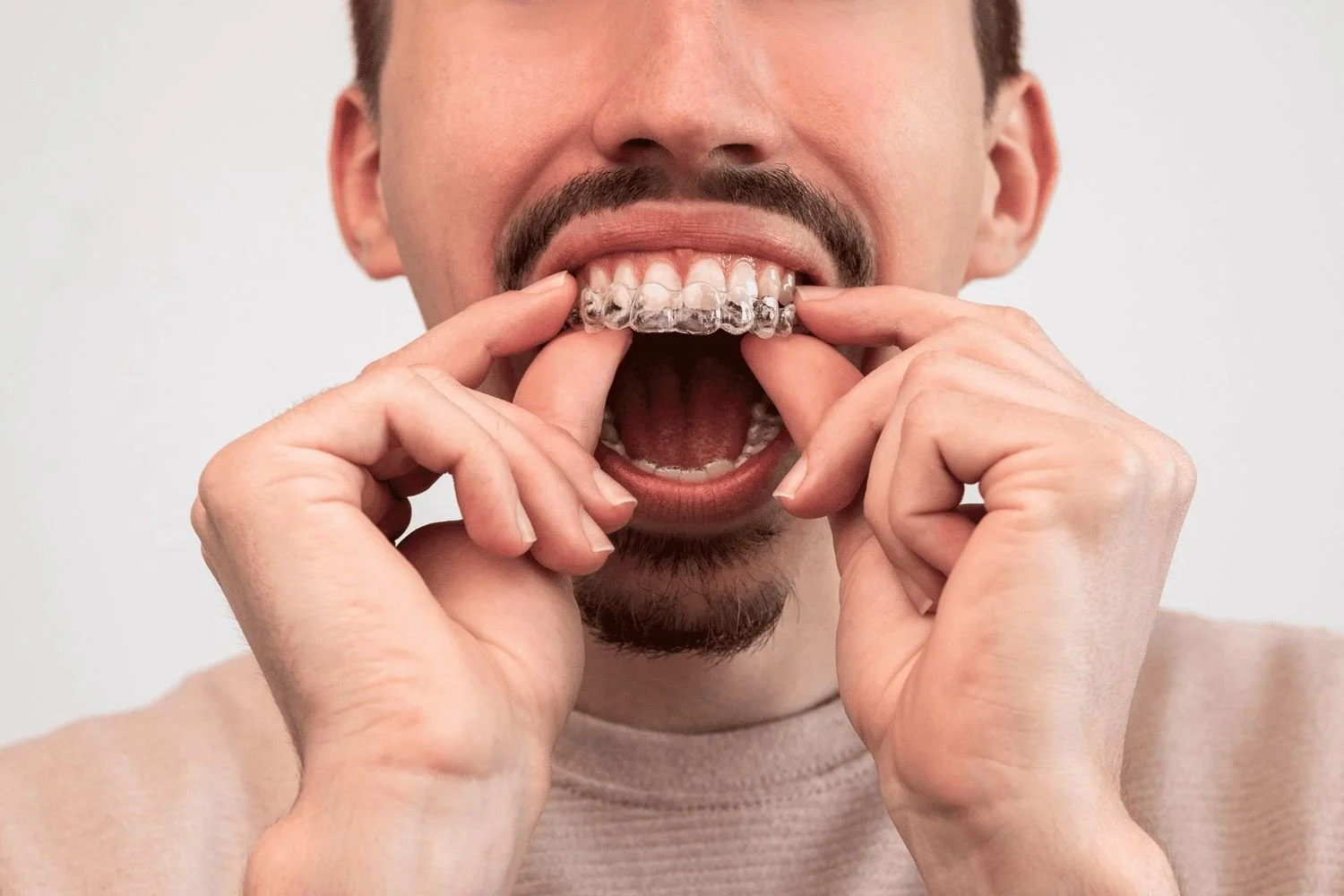
Open bite treatment depends on your age, the severity of your gap, and whether the problem primarily involves tooth positioning, jaw structure, or habits. Several effective approaches exist.
Braces for Open Bite
Traditional braces can gradually reposition teeth to improve bite alignment and close the gap. Braces for open bite work by applying consistent, gentle pressure over time. Treatment often involves additional orthodontic appliances depending on what caused your open bite and how severe it is.
Clear Aligners for Open Bite
Clear aligners may be an option for certain open bites, depending on the type and complexity of the misalignment. Candidacy depends on whether your open bite involves tooth positioning versus skeletal jaw discrepancies. Your orthodontist will determine whether aligners can achieve results for your specific situation.
If you're comparing treatment options, learn more about Invisalign vs. traditional braces for adults.
Treating Habits That Contribute to Open Bites
Orthodontic open bite treatment often includes addressing underlying habits. If tongue thrusting or mouth breathing contributes to your open bite, appropriate therapy or habit modification may help address these patterns and support orthodontic results.
Identifying and correcting contributing habits is particularly important in children while their jaws are still developing, as this can sometimes prevent or reduce the need for extensive later treatment.
Jaw Surgery for Severe Open Bites
Severe skeletal issues where the jaw structure itself creates the gap may require orthodontic treatment combined with corrective jaw surgery. Surgery repositions the jaw to a more normal relationship, allowing teeth to meet properly.
Surgery is generally reserved for cases where orthodontic treatment alone cannot adequately correct the underlying problem.
When to See a Dentist or Orthodontist for an Open Bite
Consider scheduling an orthodontic evaluation if your teeth don't meet properly, your bite is affecting eating or speaking, or you're self-conscious about your appearance.
Early evaluation in children helps identify contributing habits or developmental issues while the jaw is still growing and potentially more responsive to treatment.
Adults can also pursue open bite correction, with treatment tailored to their individual anatomy and goals.
Explore Open Bite Treatment at Total Health Dental Care
An open bite can affect both the function and appearance of your smile, but several effective treatment options exist. At Total Health Dental Care, our dental team can evaluate your bite alignment, identify what may be causing your open bite, and discuss appropriate open bite correction approaches.
Find a Total Health Dental Care location and schedule an evaluation if you're concerned about your bite or have noticed teeth not meeting properly.
Explore our dental services to learn more about your treatment options.
FAQ
How do you know if you have an open bite?
A common sign of an anterior open bite is a visible gap between your upper and lower front teeth when you close your mouth. You may also notice difficulty biting through foods, changes in speech, or jaw discomfort. Some people discover they have an open bite when a dentist points it out during a routine exam.
Can wisdom teeth cause open bite?
Wisdom teeth are not generally considered a direct cause of an open bite. If you notice changes in your bite around the time your wisdom teeth erupt, your dentist can evaluate your tooth positioning and jaw alignment to identify the underlying cause and determine whether treatment is needed.
Can an open bite correct itself?
Some open bites in children may improve naturally when contributing habits, such as thumb sucking, stop while the teeth and jaws are still developing. However, other open bites require orthodontic treatment, particularly when they involve skeletal jaw discrepancies. A dentist or orthodontist can determine whether treatment is necessary.
What is the difference between an open bite and a regular bite?
In a normal bite, upper and lower teeth meet comfortably when your mouth closes. An open bite leaves a gap between certain teeth, preventing them from meeting. This gap disrupts normal bite function and can affect eating and speech. An open bite is a specific type of malocclusion distinct from other bite problems like overbites or underbites.
Is it worth fixing an open bite?
Treating an open bite may improve chewing function, speech, and the appearance of your smile. Depending on its severity, an untreated open bite can contribute to uneven tooth wear and other functional problems. An orthodontic evaluation can help you understand whether correction would benefit your oral health.
How expensive is it to fix an open bite?
Open bite treatment costs vary by severity and the chosen treatment approach. The cost of braces or clear aligners depends on the complexity and duration of treatment, while severe cases requiring jaw surgery may involve additional expenses. Many dental insurance plans provide partial orthodontic coverage. During your consultation, our team can discuss your treatment costs and available payment options.
