
What To Do if You Don’t Have Dental Insurance?

Lacking dental insurance doesn't mean quality dental care is out of reach. Many people assume they cannot afford to see a dentist without insurance, so they delay care and let small problems become more serious. The truth is that many dental offices offer self-pay options, payment plans, and other ways to make care more manageable and affordable.
This guide explains how to see a dentist without insurance, what questions to ask before booking appointments, and practical ways to manage treatment costs while protecting your oral health.
Can You Go to the Dentist Without Insurance?
Yes, many dentists accept patients without insurance and treat them regularly. In fact, dental offices are accustomed to working with uninsured patients and understand the financial concerns you might have. You are not unusual for lacking coverage, and many dental offices regularly work with uninsured patients.
Patients without insurance may be able to pay out of pocket, use financing options, or ask about in-office savings programs or membership plans. Some practices offer special pricing for uninsured patients or discounted memberships that make regular care affordable. Dental offices want to help you maintain your teeth, and they've developed strategies to make that possible even without traditional insurance.
How to See a Dentist Without Insurance

Getting started is simpler than you might think. Call local dental offices and ask directly about their approach to dentists treating patients without insurance. Ask about self-pay pricing, payment plans, and any new-patient specials or membership options.
Ask what's included in the cost of a dental visit without insurance, such as what's covered in the exam fee, whether X-rays are included or cost extra, and whether a cleaning is part of the initial visit. Understanding exactly what you're paying for helps you make informed decisions about your care.
Don't be shy about discussing costs. Dental offices expect these conversations and respect patients who ask about pricing upfront. Transparency about what things cost helps you budget and plan for care.
Ask About Payment Plans and Financing
Some dental offices offer monthly payment plans, and some may offer interest-free options for a limited time. This approach makes expensive procedures like crowns or implants manageable by spreading the cost over several months. Ask about payment terms, how many months you can extend payments, and whether there are any fees for using a payment plan.
Some offices also offer third-party financing options, which may allow qualified patients to pay over time. Some financing plans offer promotional periods with 0% interest if you pay within a specified timeframe. Before using financing, understand the interest rate, monthly payment, total cost with interest, and your credit eligibility.
Always ask about interest rates and payment timelines before committing. Some plans have high interest rates that make treatment significantly more expensive, while others offer affordable terms.
Look Into Dental Membership Plans
Some dentists offer in-house savings plans or membership programs designed specifically for uninsured patients. These plans usually charge an annual or monthly membership fee, though pricing varies by office, and provide discounted rates on dental services.
No-insurance dental plans often include preventive services at reduced rates and discounts on additional treatment, though benefits vary by office. They generally work like membership programs rather than traditional insurance.
These plans can help reduce out-of-pocket costs for routine care. If you visit the dentist regularly for cleanings and exams, the membership fee might pay for itself through savings on a few visits. For more expensive procedures, discount plans usually provide significant savings compared to full-price treatment.
Why Preventive Dental Care Still Matters Without Insurance
It's tempting to skip dental visits when you're paying out of pocket, but preventive care remains the most cost-effective way to manage dental health. Routine exams and cleanings catch cavities, gum disease, and other issues early when treatment is simpler and cheaper.
Treating a small cavity early is usually far less expensive than waiting until the tooth needs more extensive treatment, such as root canal therapy, extraction, or replacement. Preventing expensive problems through regular preventive care saves money in the long term despite upfront costs.
What Dental Costs May Look Like Without Insurance
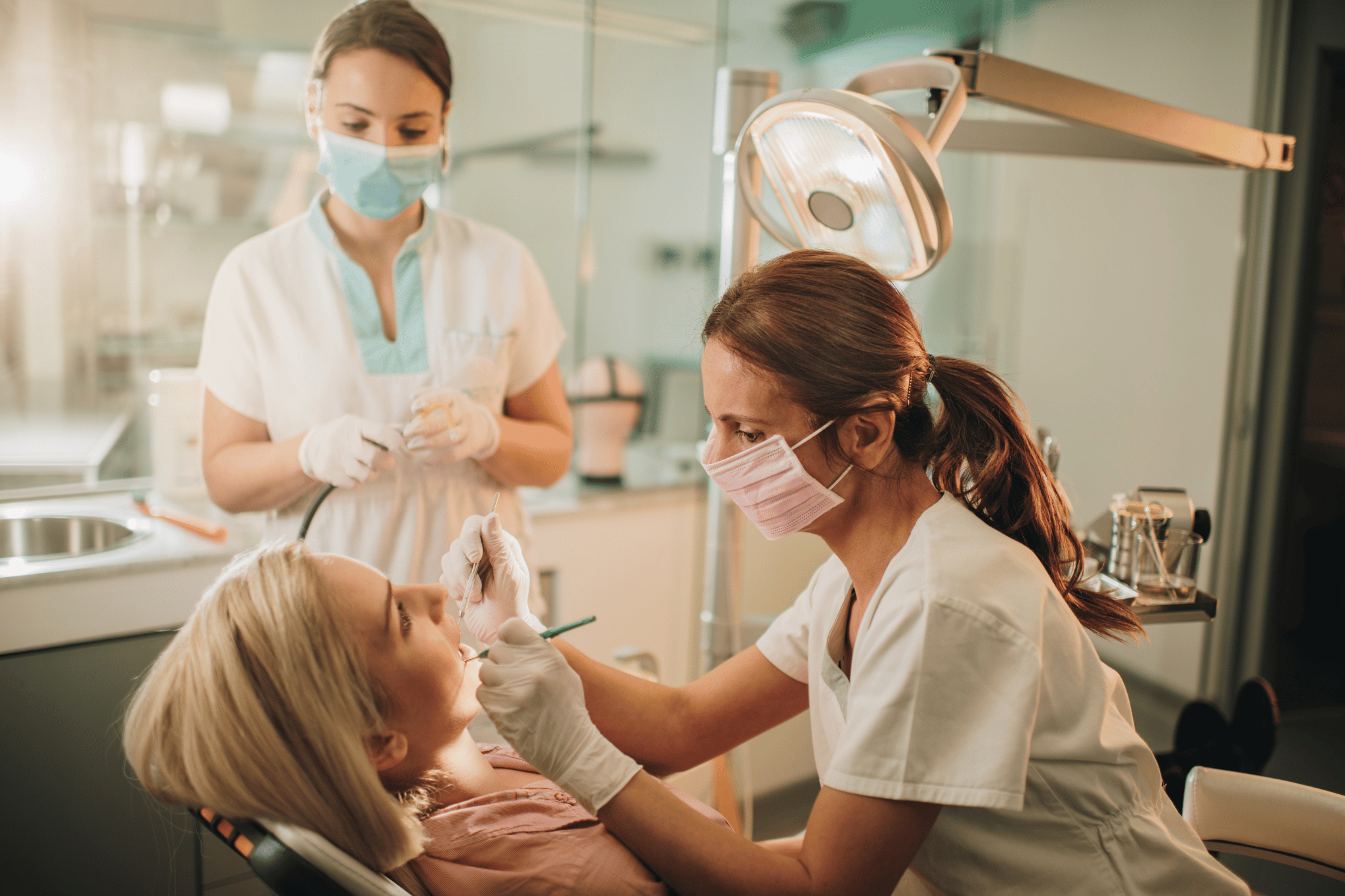
The cost of a dental visit without insurance depends on the procedure, the dental office, and your location. Contact the practice directly for current pricing and what is included. Dental offices may offer varying payment plans and membership programs for uninsured patients.
Emergency Dental Care Without Insurance
Dental pain, swelling, broken teeth, or signs of infection should not be ignored because you lack insurance. These are legitimate emergencies requiring prompt treatment. Waiting, hoping the problem goes away, typically makes it worse and more expensive.
Many dentists for people without insurance still provide emergency treatment and typically discuss payment options before or after care. Prompt treatment can help reduce the risk of complications, including worsening infection or tooth loss.
When to See a Dentist Without Insurance
Don't wait if you experience tooth pain, facial swelling, bleeding gums, a broken or chipped tooth, or signs of infection. Contact a dentist immediately and explain your situation, including that you don't have insurance. Ask what same-day or next-day appointments are available.
A dentist for people without insurance can still identify which issues are urgent and which may be scheduled soon but not immediately. This prioritization helps you manage costs by treating urgent needs first and scheduling preventive or less critical care later.
Finding a Dentist Without Insurance That Fits Your Budget
Look for dental offices transparent about costs and honest about treatment recommendations. Look for a dentist who explains what is urgent, what is recommended, and what may be optional or staged over time.
Choose a dental office that respects your financial situation. They should explain what's urgent, what can wait, and what payment options are available. A good dentist helps you prioritize care based on both health needs and your budget.
Ask the office directly about their experience treating uninsured patients. Many practices are very accustomed to this and have streamlined systems for discussing costs and setting up payment arrangements.
Make Dental Care More Accessible with Total Health Dental Care
Dental care is still possible without insurance when you understand your options and find the right provider. At Total Health Dental Care, we help patients review treatment needs, discuss costs transparently, and explore available payment solutions.
We work with uninsured patients regularly and understand the financial considerations affecting your care. Rather than rushing you into expensive treatments, we develop realistic plans matching your health needs and budget. Our membership program offers affordable access to quality preventive care for uninsured patients.
Schedule a visit to discuss your dental health and available options. Protecting your oral health through early care prevents more costly dental problems later. Explore our full range of dental services to learn what we offer and how we can help you get the care you need.
FAQ
Will a dentist treat you without insurance?
Yes, dentists regularly treat patients without insurance and may offer self-pay pricing, payment plans, or membership options. Call ahead to ask about their experience with uninsured patients and the payment options available.
How much is a normal dentist visit without insurance?
The cost of a routine dental visit without insurance varies by location, provider, and what services are included. Contact the office directly for current pricing. This basic preventive care is usually the most affordable dental service available. Costs increase for additional treatments like fillings, deep cleaning, or more complex procedures. Emergency visits for pain or infection may cost more.
How do I get dental insurance without a job?
If you're unemployed or self-employed, you may be able to buy an individual dental plan directly from an insurer or explore alternatives such as discount plans, dental membership programs, or reduced-cost care at community health centers.
