
Why Are My Gums Bleeding? Causes & Treatment
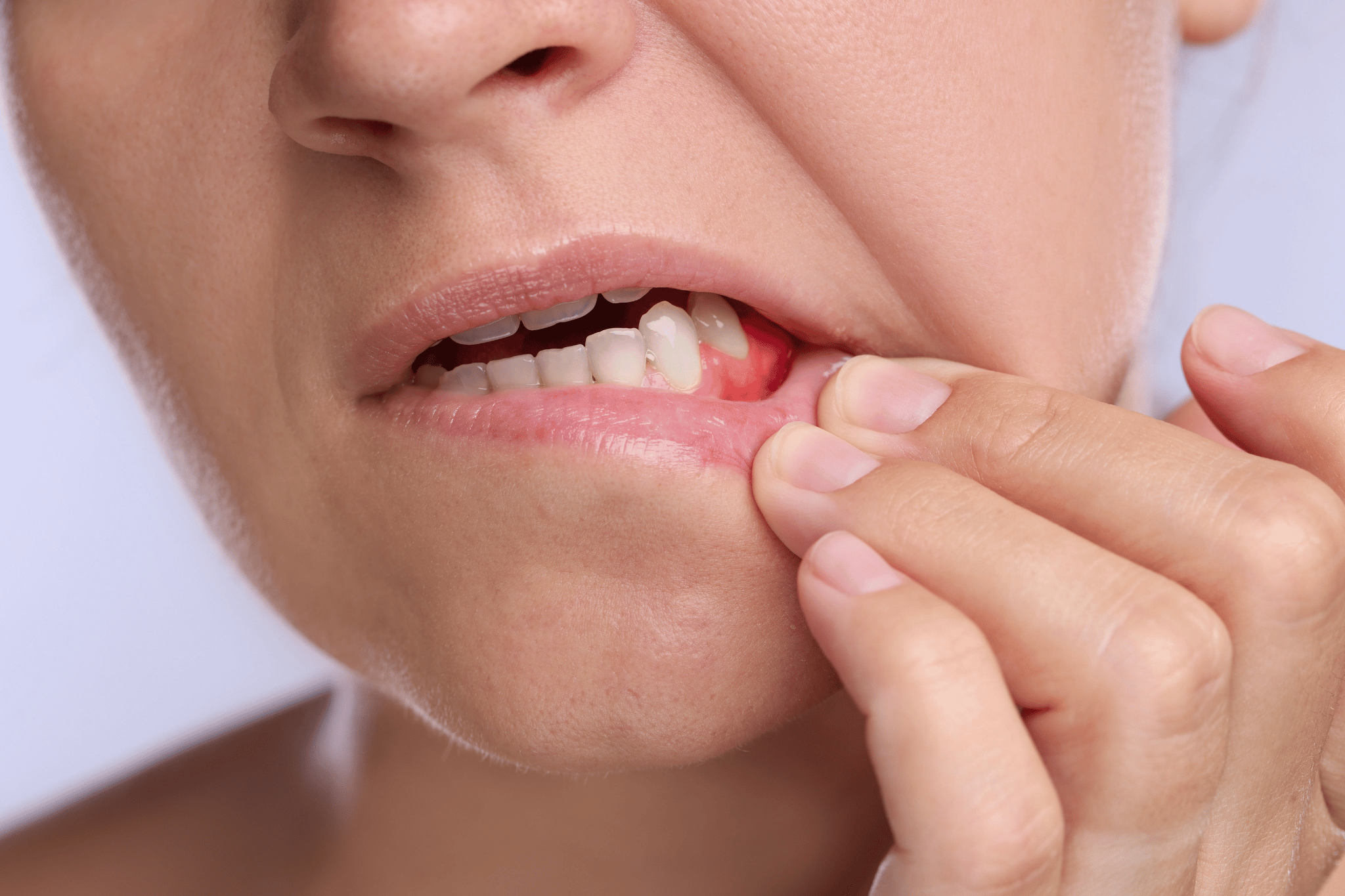
Bleeding gums can happen for many reasons, from brushing too hard to early signs of gum disease. Occasional gum bleeding may not always be serious, but frequent, persistent, or unexplained bleeding should be evaluated by a dentist.
This guide breaks down common bleeding gums causes, available treatment options, and when to seek dental care for persistent or worsening symptoms.
Common Causes of Bleeding Gums
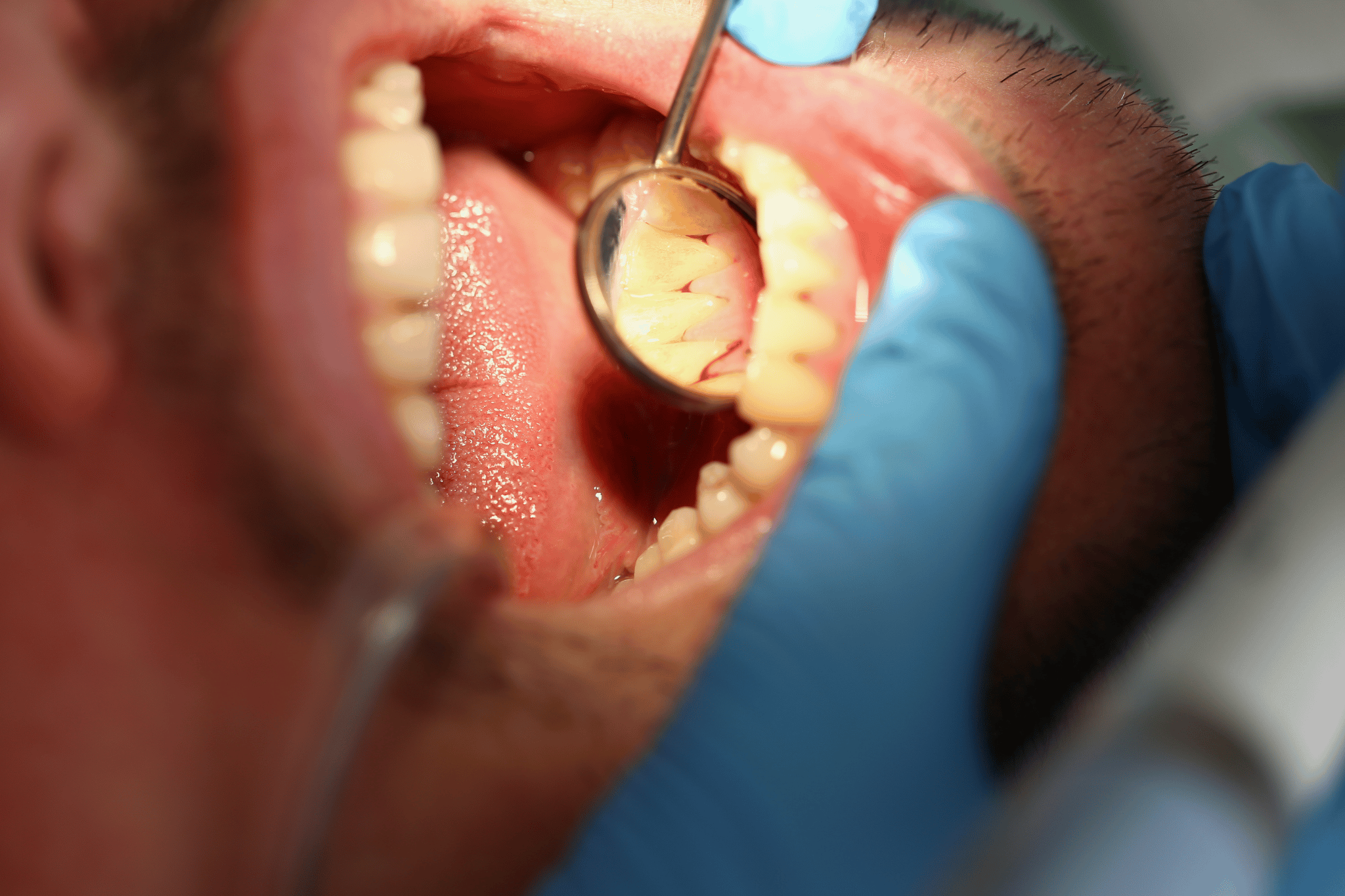
Bleeding gums often result from irritation, inflammation, plaque buildup, or changes in oral health habits. Gum tissue can respond quickly to changes in oral-hygiene habits.
Gums bleeding when brushing or flossing can be an early sign that your gums need better care. While many people assume some bleeding is normal, healthy gums shouldn't bleed regularly, even with vigorous brushing. A dentist can help determine whether the cause is minor irritation or something more serious that requires treatment.
Gingivitis and Early Gum Disease
Plaque buildup along the gumline irritates gum tissue, causing swelling, tenderness, and gum bleeding. When plaque is not removed, some of it can harden into tartar, which further irritates and inflames the gums. This inflammatory response is called gingivitis, the earliest stage of gum disease.
Gingivitis is often reversible with professional cleaning and improved oral hygiene. Your dentist or hygienist removes the tartar buildup that brushing can't remove, while improved home care helps prevent new plaque buildup. With consistent home care and professional cleaning when needed, gingivitis often improves, and bleeding may stop within a few weeks.
If untreated, gingivitis can progress into periodontitis, a more serious form of gum disease that damages the bone and tissue supporting your teeth. This progression makes early intervention crucial when you notice persistent bleeding.
Brushing Too Hard or Using the Wrong Toothbrush
Gums bleed when you brush too aggressively or use a hard-bristle toothbrush. Many people mistakenly believe that scrubbing harder cleans better, but excessive pressure can damage delicate gum tissue.
Switch to a soft-bristled toothbrush and use gentle circular motions rather than aggressive back-and-forth scrubbing. Hold your toothbrush like a pencil rather than gripping it tightly, which naturally reduces pressure. Focus on technique, not force, for effective cleaning.
If brushing is the cause, bleeding should improve after switching to a soft-bristled toothbrush and using a gentler technique. If bleeding continues despite gentler brushing, the cause likely involves inflammation from plaque rather than mechanical irritation.
Gums Bleeding When Flossing
Gums bleeding when flossing can happen if you're new to your flossing routine, you've been inconsistent with flossing, or you're using too much force. When flossing has been inconsistent, inflamed gums may bleed at first as you begin cleaning between the teeth more regularly.
Consistent gentle flossing often helps reduce bleeding over time as inflammation decreases and gums become healthier. Use a gentle sawing motion to guide floss between teeth, then curve it against each tooth and slide it beneath the gumline without forcing or snapping it into place.
If bleeding continues after 2 weeks of daily gentle flossing, it likely indicates gum inflammation or early gum disease that requires professional attention. Persistent bleeding should not be considered normal.
Bleeding Gums During Pregnancy
Hormonal changes during pregnancy make gums more sensitive and prone to bleeding. Hormonal changes during pregnancy can make gum tissue more reactive to plaque, increasing the risk of swelling and bleeding. This condition, called pregnancy gingivitis, affects many expectant mothers.
Pregnancy gingivitis typically resolves after delivery when hormone levels normalize, though establishing good oral care habits during pregnancy benefits long-term gum health.
Medication, Health Conditions, and Nutritional Factors
Some medications, health conditions, or deficiencies contribute to bleeding gums. Blood thinners such as aspirin, warfarin, or newer anticoagulants increase the risk of bleeding throughout the body, including the gums. Dry mouth from medications can reduce saliva’s protective effects and increase the risk of plaque buildup, cavities, and gum irritation.
Diabetes affects how your body fights infection and heals, making gum disease more likely and more severe. Poor blood sugar control worsens gum inflammation and bleeding. Vitamin C deficiency, though rare in developed countries, causes scurvy, characterized by bleeding gums and poor wound healing. Vitamin K deficiency can affect blood clotting and may contribute to increased bleeding, though it is less commonly the cause of bleeding gums than plaque-related inflammation.
A dentist for bleeding gums or your healthcare provider can help determine whether medications or underlying health conditions may be contributing to your symptoms.
When Should I Be Concerned About Bleeding Gums?
Be concerned if bleeding gums happen regularly without an obvious cause, worsen over time despite improved oral hygiene, or occur spontaneously without brushing or flossing. These patterns suggest underlying gum disease rather than simple irritation.
Bleeding accompanied by additional symptoms signals more serious gum problems requiring prompt dental attention. Warning signs include swollen, puffy, tender, or darker-than-usual gums instead of healthy pink tissue; persistent bad breath that doesn't improve with brushing; gum recession exposing tooth roots; loose or shifting teeth; pain when chewing; or pus between teeth and gums.
Patients should see a dentist for bleeding gums if symptoms persist after 2 weeks of gentle, consistent oral hygiene.
How to Treat Gum Bleeding

Bleeding gums treatment depends on the underlying cause, severity of symptoms, and overall gum health. A dental exam helps determine whether treatment should focus on improving at-home care, professional cleaning to remove tartar buildup, or specialized periodontal therapy for advanced gum disease.
Treating the cause early helps prevent more advanced gum issues that could lead to tooth loss. Gingivitis, when caught early, can usually be reversed, while advanced periodontitis requires ongoing management to prevent progression.
Improve Brushing and Flossing Habits
Start with the basics of good oral hygiene. Use a soft-bristled toothbrush held at a 45-degree angle to your gumline, brushing with gentle circular motions for two minutes twice daily. Electric toothbrushes with pressure sensors help prevent brushing too hard.
Floss daily using proper technique. Don't snap floss into your gums forcefully! Instead, gently slide it between teeth, curve it around each tooth in a C-shape, and move it up and down beneath the gumline. If traditional floss is difficult to use, try floss picks or a water flosser.
Consider an antimicrobial mouth rinse if recommended by your dentist. These rinses may help reduce plaque and gingival inflammation, but they do not replace brushing and flossing.
Schedule a Professional Dental Cleaning
Professional dental cleanings remove plaque and tartar that brushing and flossing cannot fully eliminate. Even with excellent home care, some areas are difficult to reach, allowing tartar buildup that contributes to gum bleeding.
During your cleaning, a dentist or hygienist checks for gingivitis, measures gum pocket depths, and identifies signs of gum disease. They can identify early signs of gum disease and recommend treatment before the condition worsens.
Treat Gum Disease When Needed
If gum disease is present beyond simple gingivitis, treatment may include deep-cleaning procedures such as scaling and root planing. Scaling removes tartar from above and below the gumline, while root planing smooths tooth roots to help gums reattach and prevent bacterial colonization.
Gum disease treatment helps reduce bacteria, calm inflammation, and stop bleeding. Some patients may need additional periodontal therapy, and in certain cases, a dentist or periodontist may recommend antimicrobial treatment.
More advanced cases may require specialized periodontal care from a periodontist. More advanced cases may require periodontal procedures such as surgery to reduce pocket depths or regenerative procedures to help restore supporting tissues.
How to Prevent Bleeding Gums
Prevention is far easier than treating established gum disease. Brush twice daily with a soft-bristled toothbrush using proper technique. Floss once daily and stay consistent, even if mild bleeding occurs initially. Regular flossing is one of the most effective ways to prevent gum disease.
Keep up with routine dental cleanings and exams. Routine professional care helps catch problems early and removes buildup that your home care may miss. Avoid smoking or tobacco use, which significantly increases gum disease risk. Smoking impairs blood flow to gums, weakens the immune response, and makes gum disease harder to treat. Quitting smoking dramatically improves gum health.
Find Relief for Bleeding Gums with Total Health Dental Care
Bleeding gums should not be ignored, especially when symptoms are frequent or accompanied by swelling, tenderness, or bad breath. What starts as minor bleeding can progress to serious gum disease, threatening your teeth if left untreated.
Total Health Dental Care helps patients understand the cause of gum bleeding and find treatment options that support healthier gums. Our experienced team provides thorough evaluations, professional cleanings, and personalized care plans addressing your specific needs.
Schedule a visit with Total Health Dental Care for expert guidance and treatment for bleeding gums. Don't wait until symptoms worsen—early intervention produces the best outcomes for your oral health.
FAQS
How do I get my gums to stop bleeding?
To stop gum bleeding, start by improving your oral hygiene with gentle, consistent brushing twice daily using a soft-bristled toothbrush and daily flossing. Use proper technique rather than excessive force. If bleeding persists despite improved home care, schedule a dental evaluation and professional cleaning to remove plaque and tartar buildup that may be causing inflammation. For ongoing bleeding despite good hygiene and professional cleaning, you may need treatment for gum disease.
What deficiency causes bleeding gums?
Vitamin C deficiency can cause scurvy, characterized by bleeding gums, poor wound healing, and weakened blood vessels. However, scurvy is rare in developed countries with access to fresh fruits and vegetables. Vitamin K deficiency also contributes to bleeding problems throughout the body, including the gums, because this vitamin is essential for blood clotting.
Do gums bleed due to stress?
While stress doesn't directly cause gum bleeding, it can contribute indirectly in several ways. Stress weakens your immune system, making it harder to fight the bacteria causing gum disease. Stressed people often neglect oral hygiene, skip dental appointments, or develop teeth-grinding habits that damage gums. Stress may contribute indirectly by affecting oral-hygiene habits, teeth grinding, sleep, and immune function, which can make existing gum problems harder to control.
