
Early Warning Signs of Gum Disease
Gum disease is one of the most common dental issues affecting adults, yet it often begins with mild, easy-to-miss symptoms. Many people don't realize they have early gum disease until their dentist points it out during a routine examination. The good news is that recognizing early warning signs allows you to take action before the condition worsens and causes permanent damage.
Spotting the early signs of gum disease can help identify problems when they're easiest to treat. This guide covers how early gum disease appears, what symptoms to watch for, available treatments, and whether the condition can be reversed with proper care.
What Is Early Gum Disease?
Early gum disease, medically known as gingivitis, represents the earliest stage of gum disease. This condition develops when plaque—a sticky film of bacteria—builds up along the gumline, causing irritation and inflammation. The bacteria in plaque produce toxins that trigger your body's immune response, leading to swollen, tender gums.
Gingivitis begins when plaque accumulates due to inadequate brushing and flossing. If plaque is not removed, it can harden into tartar (calculus), which cannot be removed by brushing alone. This hardened buildup creates a rough surface that attracts more bacteria, perpetuating the cycle of inflammation.
At this early stage, gum disease affects only the gum tissue without damaging the underlying bone or connective tissue supporting your teeth. However, untreated gingivitis can progress to early periodontal disease, in which inflammation and infection affect the deeper supporting tissues around the teeth. Once periodontal disease develops, it can cause irreversible damage, such as bone loss and tooth loss, making early intervention crucial.
What Does Early Gum Disease Look Like?
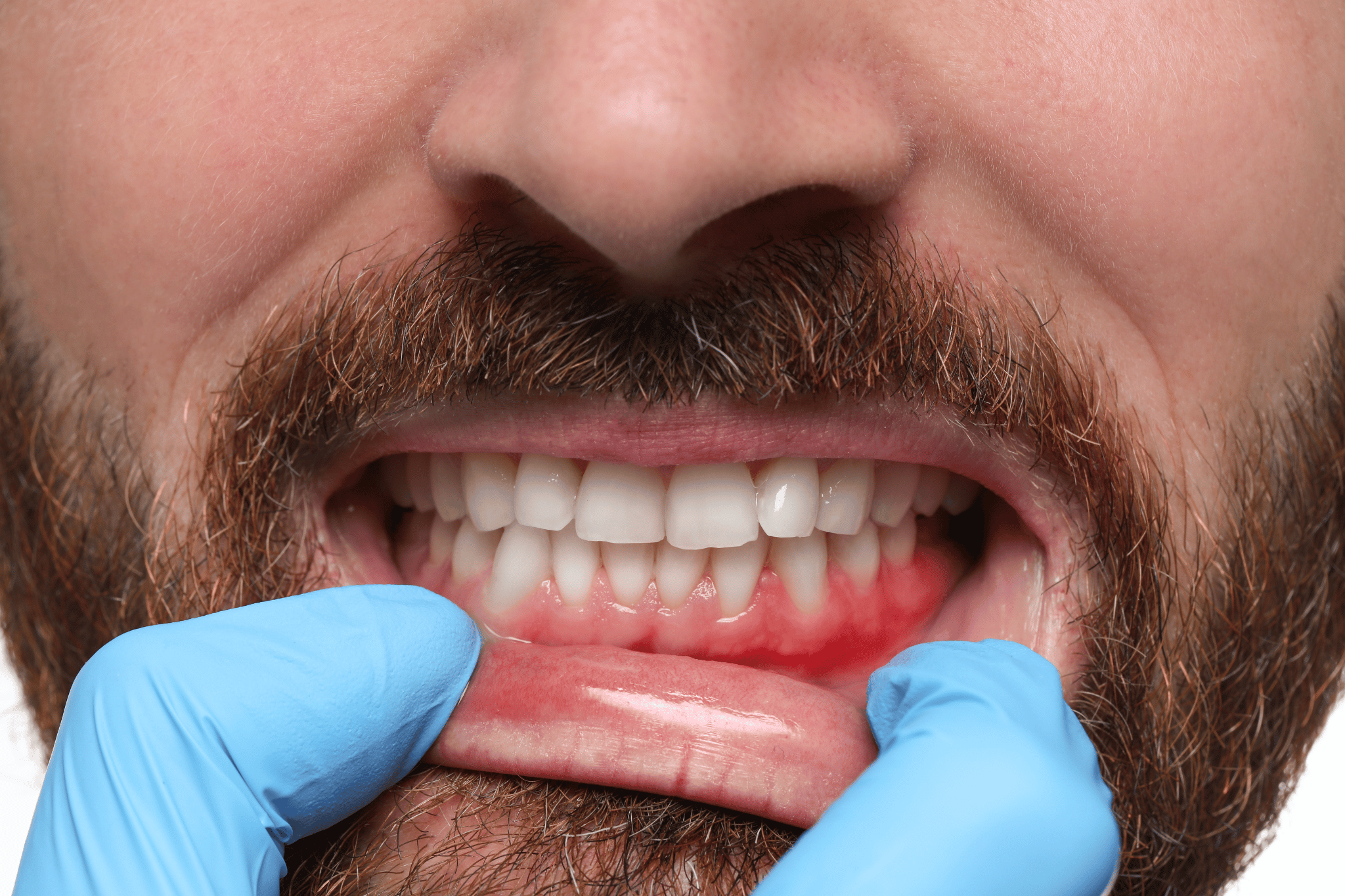
Early gum disease often appears quite different from healthy gums. Healthy gums often look firm and pink and fit snugly around the teeth. In contrast, early gum disease causes gums to appear red, swollen, or irritated. The tissue may look puffy, shiny, redder, or darker than usual rather than firm and healthy.
Symptoms may be subtle at the start of gum disease, making them easy to overlook or dismiss. You might notice slight puffiness around certain teeth or minor color changes that don't seem alarming. This mild presentation causes many people to ignore early warning signs until symptoms become more pronounced.
Early Signs of Gum Disease to Watch For
Several distinct symptoms can alert you to the development of gum disease. Paying attention to these warning signs for gum disease enables early intervention.
Bleeding Gums
Bleeding during brushing or flossing represents one of the most common first signs of gum disease. While many people dismiss occasional bleeding as normal, healthy gums generally should not bleed with routine brushing or flossing. The bleeding occurs because inflamed gum tissue becomes more fragile and prone to breaking when disturbed.
If you consistently notice pink-tinged toothpaste when you spit or blood on your floss, consider this an important warning sign. This symptom indicates that bacteria have irritated your gum tissue enough to cause inflammation and increased blood flow to the area.
Red or Swollen Gums
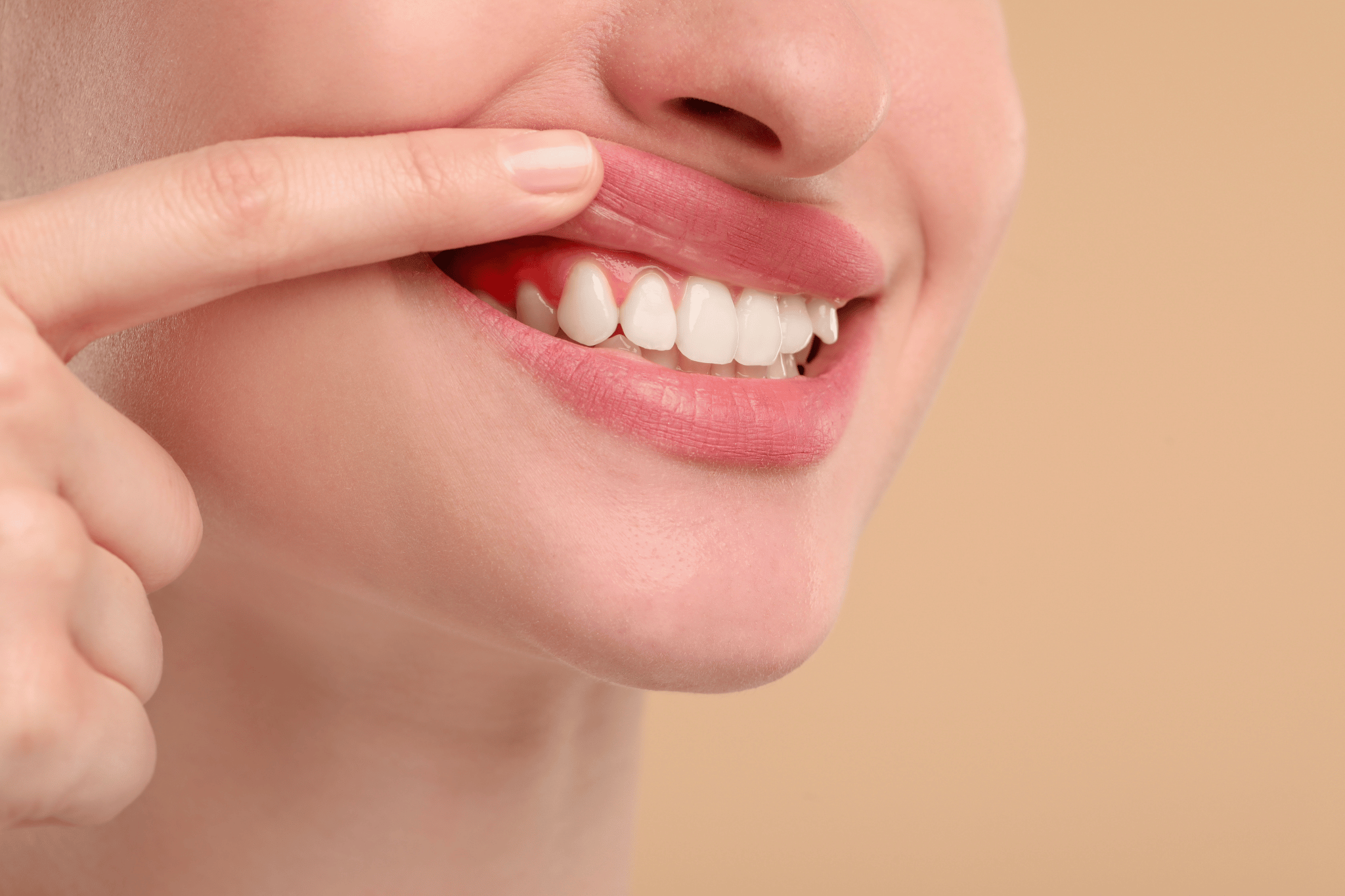
Inflammation causes gums to look puffy, darker in color, or generally irritated rather than smooth and pink. You might notice that gums appear to bulge between teeth or look shiny and stretched. This swelling occurs in the early stages of gum disease as your immune system responds to bacterial infection.
The redness results from increased blood flow to the inflamed area as your body attempts to fight infection. Some people notice that their gums look more prominent or that the tissue seems to have lost its normal firm texture, feeling soft or spongy instead.
Bad Breath That Won't Go Away
Bacteria accumulating along the gumline produce sulfur compounds that cause persistent bad breath (halitosis). This ongoing odor can occur even with regular brushing and mouthwash use because the bacteria are concentrated in areas that home care can't adequately reach.
If bad breath or an unpleasant taste persists despite brushing and flossing, this could indicate early signs of periodontal disease and should be evaluated by a dental professional.
Tender or Sensitive Gums
Gums affected by early gingivitis may feel sore or uncomfortable when you brush or floss. You might notice tenderness when brushing, flossing, or eating certain foods. This discomfort signals inflammation linked to early gum disease.
The tenderness occurs before more advanced symptoms develop, making it an important early warning sign. Your gums are essentially telling you they're under stress from bacterial infection and inflammation.
What Causes Early Gum Disease?
Plaque buildup represents the primary cause of early gum disease. When you don't brush and floss effectively, plaque accumulates along the gumline where teeth meet gum tissue. Within days, this soft plaque hardens into tartar that brushing cannot remove, creating a safe haven for bacterial growth.
Several factors beyond poor oral hygiene increase your risk of developing gum disease. Smoking significantly raises gum disease risk and can make it harder for gum tissue to heal. Dry mouth from medications or medical conditions can reduce saliva’s protective effect, which may contribute to plaque buildup and gum problems. Hormonal changes during pregnancy, puberty, or menopause can make gums more sensitive to plaque. Skipping regular dental cleanings allows tartar to accumulate beyond what home care can address.
Certain medical conditions, including diabetes and autoimmune disorders, can increase susceptibility to gum disease. Genetics also plays a role, with some people naturally more prone to inflammatory responses in gum tissue.
How to Treat Early Periodontal Disease?
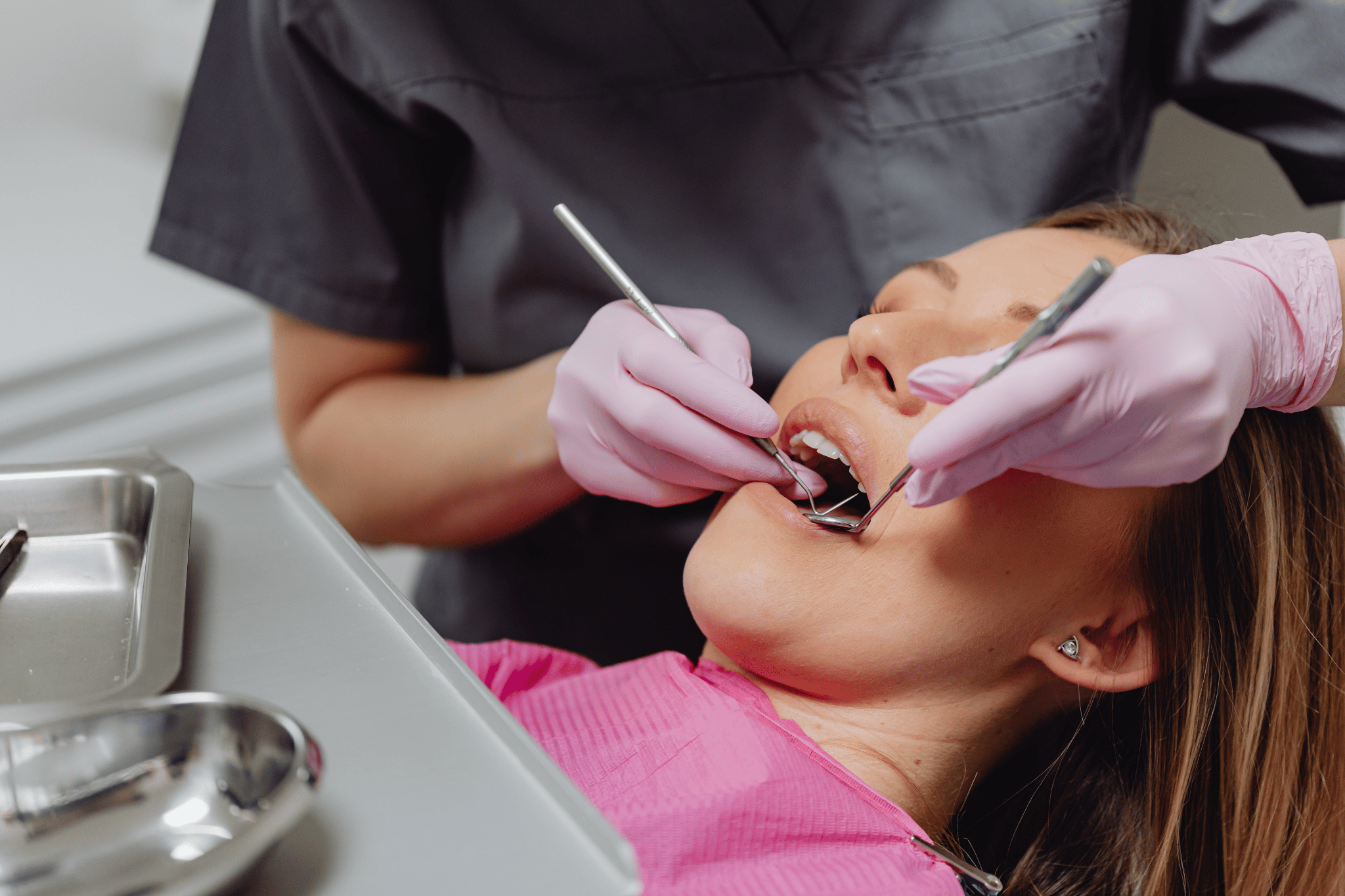
Treatment for early periodontal disease focuses on removing plaque and tartar buildup and improving daily oral hygiene. The goal is to eliminate bacterial infection and reduce inflammation before permanent damage occurs.
The treatment approach remains straightforward and non-invasive when gum disease is caught early. A professional dental cleaning removes the buildup that brushing and flossing alone cannot eliminate. A dental professional uses specialized instruments to remove hardened tartar and plaque from areas that brushing and flossing cannot fully clean.
This cleaning represents the essential first step in treating early gum disease.
At home, brush twice a day for 2 minutes and clean between your teeth daily with floss or another interdental cleaner recommended by your dentist. Floss daily to remove plaque and food particles from between teeth where your toothbrush cannot reach.
Can Early Gum Disease Be Reversed?
Early gum disease can often be reversed when treated promptly, and if there is no permanent damage to the bone and connective tissue supporting your teeth. With professional cleaning and improved oral hygiene, inflammation subsides, bleeding stops, and gums return to a healthy, pink, firm state.
This is why you shouldn't ignore early signs of gum disease. What seems like a minor issue now can progress into serious problems requiring extensive treatment if left unaddressed. Early intervention provides the best opportunity for complete reversal.
When to See a Dentist for Gum Disease Symptoms
Seek dental care if you notice any warning signs for gum disease, including bleeding gums during brushing or flossing, swelling or puffiness in gum tissue, tenderness when touching your gums, or persistent bad breath that doesn't improve with brushing.
Even mild symptoms can indicate early gum disease that requires professional attention. Don't wait for symptoms to worsen or assume they'll resolve on their own. Gum disease generally does not improve without better oral hygiene and, in many cases, professional dental care.
Don't Ignore the Early Signs of Gum Disease
If you’ve noticed early warning signs of gum disease, such as bleeding gums, early action can make treatment easier and more effective.
At Total Health Dental Care, our experienced team provides comprehensive evaluation and treatment for gum disease. We'll assess your gum health, remove harmful buildup, and develop a personalized care plan to restore and maintain healthy gums.Schedule your appointment today to protect your oral health.
FAQ
Can early gum disease be cured?
Early gum disease can typically be cured with professional dental cleaning and improved oral hygiene. When caught at this stage, the condition has not caused permanent damage to bone or connective tissue. Professional removal of plaque and tartar combined with consistent brushing and flossing allows inflamed gums to heal completely.
Can you have a gum infection and not know it?
You have a gum infection and not know it because early symptoms can be subtle or painless. You might have mild inflammation, slight color changes, or occasional bleeding that you dismiss as normal. This is why regular dental checkups are important.
When is it too late to treat periodontitis?
It's rarely truly "too late" to treat periodontitis, though advanced cases may result in tooth loss despite treatment. Periodontitis can be managed and stabilized at any stage. However, damage that has already occurred is typically permanent. The earlier periodontitis is treated, the more tooth-supporting structures can be preserved.
