
Dental Plans for Older Adults & Seniors

Dental care is important at any age, but especially as we age. Many older adults compare dental plans for seniors based on cost, coverage breadth, and access to quality care. Finding the right plan can be confusing, so this guide explains what to look for.
This guide explains senior dental plans, what they typically cover, how different plan types work, and practical tips for choosing coverage that fits your needs and budget as you age.
Why Dental Care Matters for Older Adults
Dental care for older adults maintains oral function and contributes to overall well-being. As we age, regular dental care becomes crucial for preserving natural teeth, managing chronic conditions that affect oral health, and preventing infections.
Seniors may need ongoing preventive dental care to catch problems early, along with restorative treatment for issues such as gum disease, tooth decay, or tooth loss. Many older adults take medications that can cause dry mouth, which may increase the risk of cavities. Quality dental care for the elderly addresses both immediate concerns and long-term health.
What Are Dental Plans for Seniors?
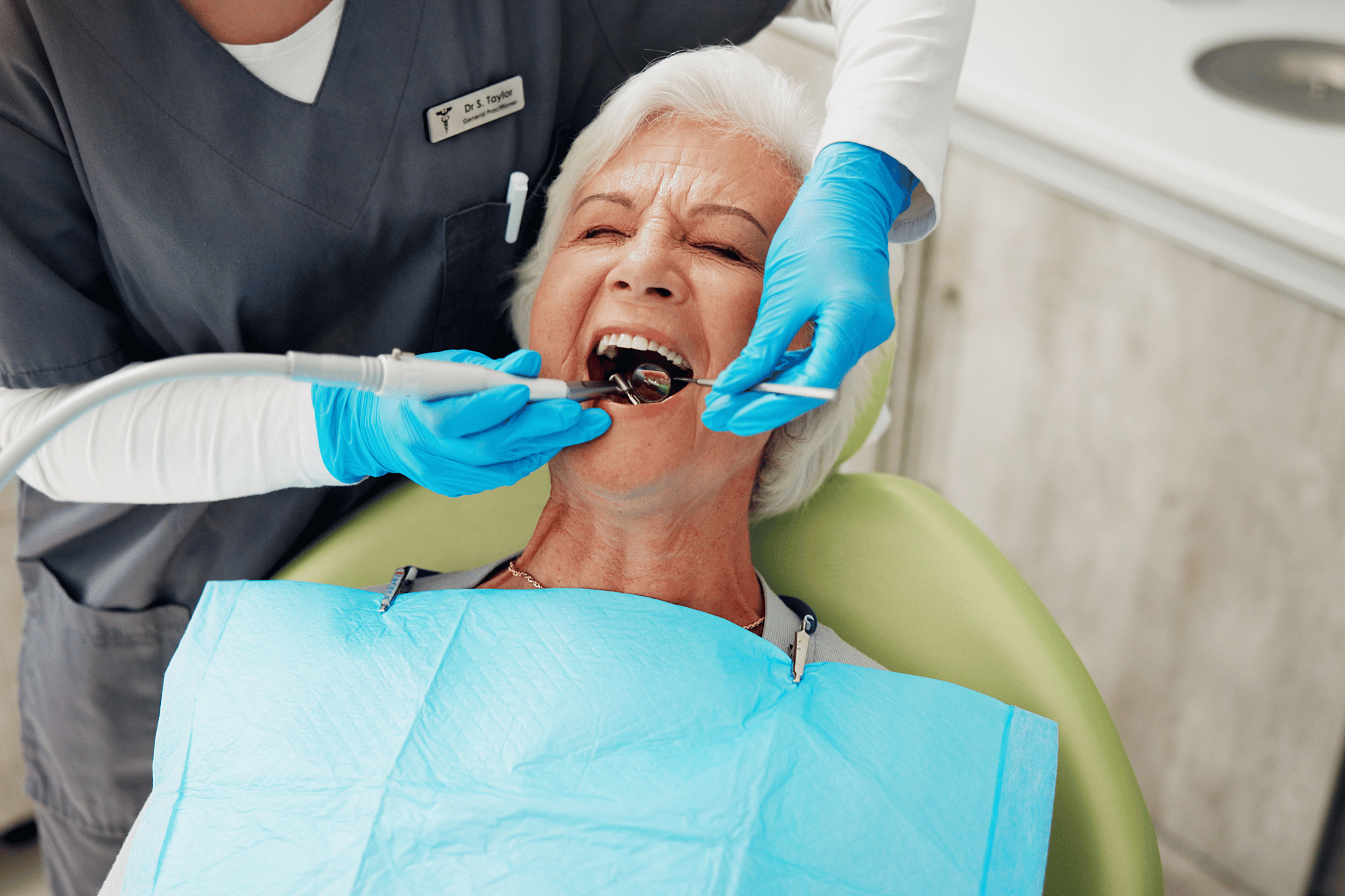
Dental plans for seniors are coverage options designed to help reduce out-of-pocket dental costs for older adults. These plans recognize that seniors often live on fixed incomes while facing increased dental care needs. Coverage helps make preventive care affordable and reduces the financial burden of necessary treatments.
Senior dental plans vary significantly in benefits offered, provider network access, monthly premiums, and out-of-pocket costs. Some plans focus heavily on preventive care with comprehensive dental coverage for cleanings and exams, but limited benefits for major procedures. Others provide broader coverage, including restorative and replacement treatments.
What Senior Dental Coverage May Include
Many senior dental insurance plans include preventive services at little or no cost, though benefits vary by plan. Covered preventive care typically includes routine dental examinations, professional cleanings (usually two per year), diagnostic X-rays, and fluoride treatments. These services form the foundation of maintaining oral health and catching problems early.
Some plans also cover basic restorative procedures, such as fillings for cavities, simple extractions, and periodontal treatment for gum disease. Some plans cover a portion of these services after deductibles, but exact coverage percentages can differ by carriers.
Major dental treatment for older adults may be partially covered depending on the plan. This can include crowns and bridges, root canals, dentures (partial or full), dental implants (though many plans exclude implants), and oral surgery. Major procedures may be covered at a lower percentage than preventive or basic services, depending on the plan.
It's important to note that covered services vary substantially by plan.
Types of Senior Dental Plans

Dental Insurance Plans
Traditional senior dental insurance often includes monthly premiums, annual deductibles, and annual maximums that limit how much the plan pays each year.
These plans typically feature provider networks of dentists who have agreed to accept the plan's fee schedules. Using in-network providers results in lower out-of-pocket costs compared to seeing dentists outside the network. Some plans allow out-of-network care but reimburse at lower percentages.
Waiting periods may apply, meaning some plans require members to wait before certain basic or major procedures are covered. Preventive care usually has no waiting period, but basic and major services may require you to maintain coverage for months before receiving benefits.
Discount Dental Plans
Discount dental plans differ from traditional insurance in that they offer reduced fees rather than insurance coverage. Members pay an annual or monthly membership fee and receive discounted rates on services from participating dentists.
These plans can be an alternative to traditional insurance for older adults, particularly those who need significant care that exceeds traditional insurance annual maximums. Discount plans often do not include waiting periods, annual maximums, or traditional insurance claim processes. You simply show your membership card and pay the discounted fee directly to your dentist.
The main limitation is that you still pay for all services yourself, just at reduced rates. This works well for some seniors but may not provide enough financial protection for others with limited budgets.
How to Compare Dental Plans for Seniors
Review covered services carefully. If you have existing dental problems or anticipate needing major work, verify coverage levels and exclusions for those specific procedures.
Check waiting periods for different service categories. Some plans impose 6-12 month waits before covering anything beyond preventive care. If you need treatment soon, long waiting periods could be problematic.
Understand annual maximums. Lower maximums may seem affordable, but could leave you paying most costs if you need extensive work. Higher maximums cost more monthly but provide better protection.
Evaluate provider choice and network size. Verify that dentists in your area accept the plan and that the network is available in your area and meets your care needs. If you have an established dentist relationship, confirm they participate in the network.
Common Senior Dental Needs That Can Affect Plan Choice
Some older adults primarily need coverage for preventive visits and occasional minor restorative work, such as fillings. In these cases, basic plans with strong preventive coverage may suffice.
Others require ongoing periodontal care for gum disease management, needing regular deep cleanings beyond standard preventive visits. Plans with good periodontal coverage benefit these patients.
Seniors facing significant restorative needs, including multiple crowns, bridges, or dentures, should prioritize plans with higher annual maximums and good major service coverage.
How Senior Dental Plans Support Long-Term Oral Health

The right dental plans for seniors make it easier to maintain consistent preventive care and address problems early.
Regular dental care for older adults helps prevent complex problems that could develop from neglected minor issues. A small cavity caught early may be treated with a simple filling, while an untreated cavity can worsen and may eventually require more extensive treatment, such as root canal therapy or extraction.
Consistent professional care also allows your dentist to monitor changes over time, spotting trends like increasing gum recession or enamel wear before they cause serious problems.
When to Review Your Senior Dental Coverage
Review your senior dental coverage periodically to ensure it continues to meet your needs. Consider reassessing when your dental needs change significantly, such as a diagnosis of gum disease or the need for major restorative work. Your current plan may not provide adequate coverage for new circumstances.
Provider changes matter, too. If your longtime dentist retires or you move to a new area, verify that dentists at your new location accept your current plan. You may need to switch plans to access preferred providers.
Choosing the Right Dental Plan for Seniors
It’s important to keep in mind that there is no single best plan for everyone. The right choice depends on your individual dental health status, anticipated care needs, budget constraints, and provider preferences.
At Total Health Dental Care, we work with a variety of insurance plans and help patients better understand their coverage options. Our experienced team provides quality dental care for the elderly and older adults, supporting oral health throughout the aging process.
Whether you have insurance, a discount plan, or pay out of pocket, we're committed to making dental care accessible and effective. Contact us for trusted dental care and guidance about coverage options.
FAQ
What is the best dental plan for seniors?
The best dental plan for seniors depends on current dental health, anticipated treatment needs, preferred dentists, and budget. Some people choose Medicare Advantage plans that include dental benefits, while others prefer standalone dental insurance or discount dental plans. Original Medicare typically does not cover routine dental care, so it’s important to review coverage details carefully.
How do I find a dentist for seniors?
To find a dentist for seniors, start by checking your dental plan’s provider directory and asking trusted healthcare providers, family members, or friends for recommendations. It can also help to look for a dental office with experience treating older adults and managing age-related oral health concerns.
How often should seniors have dental checkups?
Many seniors benefit from dental checkups every six months, but the right schedule depends on individual needs and oral health risks. People with gum disease, dry mouth, a history of frequent cavities, or complex dental needs may need more frequent visits.
