
Navigating Dental Coverage After Retirement

Retirement can be one of the most rewarding stages of life, but it also introduces new challenges, particularly with healthcare coverage. Dental coverage for retirees is one area many people overlook during retirement planning, but good oral health becomes even more important as we age.
The cost of dental procedures can strain fixed retirement incomes, so it’s important to find retirement dental plans that balance cost with comprehensive care.
This guide explores dental insurance options for retirees, explains how different plans work, and provides practical advice for managing dental costs during retirement.
Why Dental Coverage is Important in Retirement
The need for dental care often increases after retirement, as aging affects oral health in various ways. Older adults remain at risk for gum disease and tooth decay, and some medications can cause dry mouth, increasing the risk of cavities.
The impact of aging on oral health makes dental insurance in retirement particularly valuable. Older adults may need crowns, bridges, dentures, or implants to replace damaged or missing teeth. Procedures such as crowns, bridges, dentures, implants, root canals, and periodontal treatment can be costly without coverage. Without insurance or discount plans, these procedures can cost thousands of dollars, creating financial stress.
What Are Retirement Dental Plans?

Retirement dental plans are insurance policies or discount programs specifically designed to meet the dental care needs of retirees. These plans are often chosen to address common retirement concerns, such as fixed income and the loss of employer-sponsored benefits.
Retirement dental plans come in several forms, including traditional insurance policies purchased individually, dental discount plans offering reduced fees at participating providers, coverage through former employers' retiree benefit programs, and Medicare Advantage plans that may include dental benefits.
Exploring Types of Dental Insurance for Retirees
Several distinct types of dental insurance for retirees serve different needs and budgets.
Traditional Dental Insurance for Retired People
Retirees under 65 can usually purchase individual dental insurance policies directly from insurers, and some may also consider stand-alone dental coverage options available in their market. These plans function similarly to employer-sponsored insurance, with monthly premiums, deductibles, and coverage tiers for preventive, basic, and major services.
Dental insurance for retired people in this category often divides benefits into preventive, basic, and major services, with preventive care usually receiving the highest level of coverage. Many plans also include annual maximums that limit how much the plan will pay each year.
Premiums vary based on coverage level, location, and age.
Medicare and Dental Coverage
Retirement dental coverage through Original Medicare (Parts A and B) is extremely limited. Medicare covers dental services only in specific circumstances, such as dental examinations before kidney transplants or jaw surgery related to accidental injury or disease.
Routine dental care, including cleanings, fillings, tooth extractions, and dentures, is not covered by Original Medicare in most cases. This significant gap leaves many retirees without dental coverage unless they secure alternative options.
Medicare Advantage plans (Part C) offered by private insurers may include dental benefits, but coverage varies widely between plans.
Dental Insurance Through Employer Retirement Benefits
Some employers offer dental insurance after retirement as part of a broader retirement package. This valuable benefit allows retirees to maintain dental coverage similar to what they had while working, though retirees typically pay higher premiums than active employees.
Some employers partially subsidize retiree premiums, while others require retirees to pay the full cost. Coverage may be coordinated with Medicare once retirees become eligible.
Affordable Dental Insurance for Retirees: What to Consider
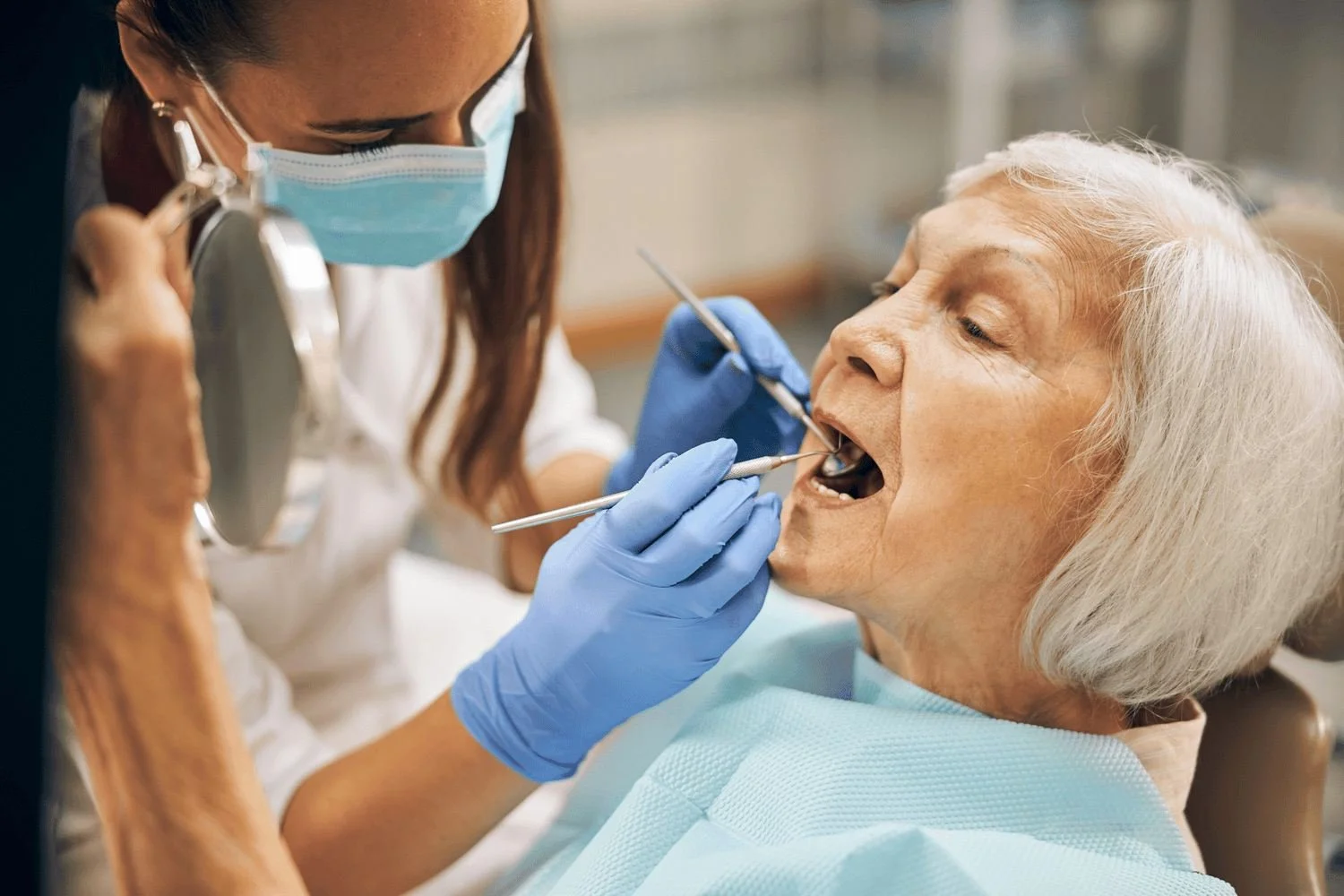
Choosing budget-friendly dental plans for retirees requires balancing cost with adequate coverage. Several factors deserve careful consideration.
Premium costs are the ongoing expenses that must fit your retirement budget. Compare monthly premiums across different plans, but don't base your choice solely on the lowest premium. Plans with low premiums may have high deductibles, limited coverage, or restrictive networks.
Annual maximums significantly impact out-of-pocket costs. Plans with $1,000 annual maximums may seem affordable, but could leave you paying most costs if you need major work. Higher annual maximums cost more monthly but provide better protection against large expenses.
Some plans impose waiting periods before they will cover major procedures. If you anticipate needing significant dental work soon, look for plans with minimal or no waiting periods.
Dental Insurance for Retirees: What Are the Alternatives?
Beyond traditional insurance, several dental coverage alternatives help retirees manage dental costs.
Discount Dental Plans for Retirees
Dental discount plans aren't insurance but membership programs offering reduced fees at participating dentists. Members pay an annual fee, and potential advantages may include no annual maximums, immediate access to discounted rates, reduced pricing on some services that insurance may not cover, and lower ongoing costs than traditional insurance.
Limitations include paying discounted fees out-of-pocket rather than receiving insurance reimbursement and network restrictions limiting provider choices.
Stand-Alone Dental Insurance Plans for Retirees
Stand-alone dental policies purchased independently from health insurance offer another option. These plans provide traditional insurance benefits without requiring enrollment in health insurance.
Benefits include the flexibility to choose coverage levels that match your needs, the potential for comprehensive coverage, including major procedures, and predictable costs with monthly premiums and known coverage percentages.
Common Dental Care Options for Retirees
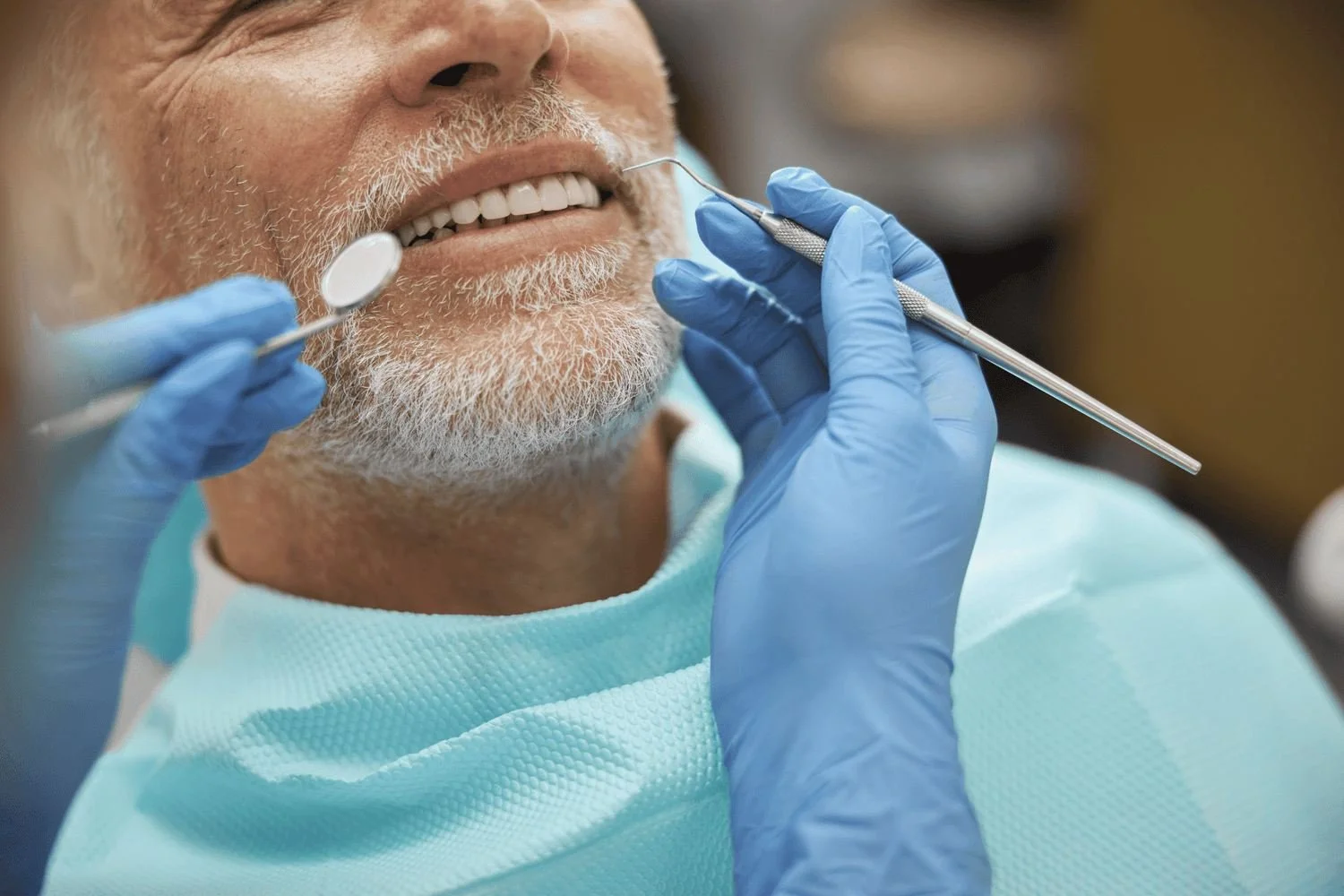
Common approaches include continuing employer retiree benefits when available, purchasing individual dental insurance policies, enrolling in Medicare Advantage plans with dental coverage, joining dental discount plans, paying out-of-pocket for care as needed, and combining strategies such as discount plans plus health savings accounts.
Many retirees use a hybrid approach, maintaining basic insurance or discount plans for preventive care while budgeting to pay out of pocket for major procedures.
Preventive Care vs. Restorative Care
Preventive care includes routine cleanings, examinations, X-rays, fluoride treatments, and sealants. These services help maintain oral health and catch problems early, and many dental plans offer the strongest coverage for preventive care.
Restorative care addresses existing problems through fillings, crowns, root canals, extractions, bridges, dentures, and dental implants. These procedures receive partial coverage and can be expensive, making prevention particularly valuable for retirees on fixed incomes.
Investing in preventive dental care significantly reduces future costs. Regular cleanings may help reduce the risk of gum disease, which can otherwise lead to costly periodontal treatment. Early cavity detection allows for simple fillings rather than costly root canal therapy and crowns.
Make Dental Coverage a Priority in Retirement
Dental coverage for retirees deserves careful consideration during retirement planning. Important points for choosing coverage include assessing your dental health and anticipated needs, comparing costs including premiums, deductibles, and potential out-of-pocket expenses, evaluating provider networks and access to preferred dentists, and considering how coverage coordinates with Medicare.
At Total Health Dental Care, we understand retirees' unique dental care needs and work with various insurance plans and discount programs to make quality care accessible. Our team helps patients maximize their benefits and explore affordable options for maintaining excellent oral health throughout retirement.
Contact us to discuss how we can support your dental health during your retirement years.
Frequently Asked Questions
Do I get free dental treatment when I retire?
Dental treatment is not automatically free when you retire. Original Medicare does not cover routine dental care, and employer-sponsored dental benefits typically end with retirement unless your employer offers retiree dental benefits. Some low-income retirees may qualify for Medicaid dental benefits, depending on their state’s program and eligibility rules.
What is the best dental plan for retired people?
The best dental plan depends on your individual circumstances, including your dental health status and anticipated needs, budget and fixed income considerations, preferred dentists and their network participation, and whether you have access to retiree benefits.
What do most retirees do for dental care?
Most retirees use a combination of approaches for dental care. Common strategies include enrolling in Medicare Advantage plans that include dental benefits, maintaining employer-sponsored retiree dental coverage when available, purchasing individual dental insurance policies, joining dental discount plans for reduced fees, and, when eligible, using Health Savings Accounts to help pay for qualified expenses.
