
Dental Work While Pregnant

Many expectant mothers wonder about the safety of dental work while pregnant and which procedures they should pursue or postpone during these crucial nine months. Maintaining oral health during pregnancy benefits both mother and baby. Poor dental health has been linked to pregnancy complications, such as preterm birth and low birth weight, making dental care an important part of prenatal health.
Common concerns about dental treatments during pregnancy are valid, but with proper precautions and timing, most dental care can be safely performed. This guide addresses common questions about pregnancy and dental work, explains which procedures are safe at different stages of pregnancy, provides tips for managing dental discomfort, and offers practical advice for maintaining optimal oral health throughout your pregnancy.
Common Concerns About Dental Work and Pregnancy
Many women experience dental pain while pregnant and worry about seeking treatment. Hormonal changes during pregnancy increase blood flow to the gums, making them more sensitive and prone to inflammation. This condition, called pregnancy gingivitis, affects many expectant mothers and can cause discomfort, bleeding, and swelling.
The second trimester is generally the safest period for dental work and pregnancy. During the first trimester, major organs are developing, making this a sensitive period when elective procedures are typically avoided. The third trimester brings physical discomfort from lying back in dental chairs and increased risk of supine hypotensive syndrome, where the weight of the uterus compresses major blood vessels when lying flat.
Some dental treatments are postponed during pregnancy out of an abundance of caution. Elective cosmetic procedures, like teeth whitening, can wait until after delivery. Major restorative work that isn't urgent may be delayed to the postpartum period. However, necessary treatments for infections, cavities, or gum disease should proceed to prevent complications that could affect the health of the pregnancy.
What Dental Procedures Cannot Be Done While Pregnant?
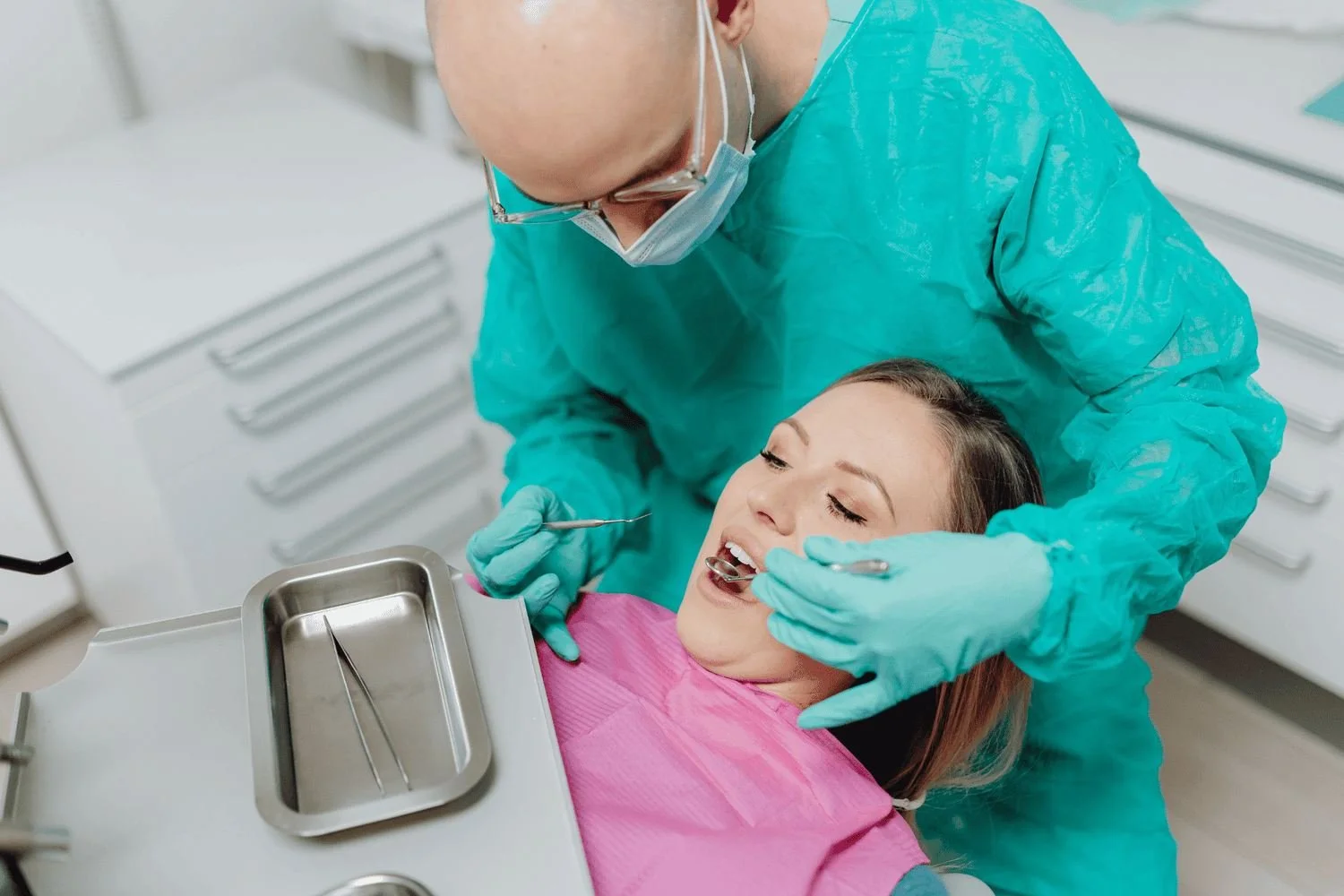
Knowing which procedures require caution will help you make smart choices about your dental health while pregnant. Dental X-rays can be taken during pregnancy when clinically necessary, using appropriate shielding. Modern digital X-rays use minimal radiation, and protective lead aprons shield the abdomen and thyroid.
Most routine dental procedures can be performed with local anesthetics during pregnancy. Local anesthetics such as lidocaine are generally considered safe when used for dental procedures. Your dentist will choose pregnancy-safe options and use the minimum effective dose.
Elective procedures, including teeth whitening and cosmetic bonding, are typically postponed until after delivery. While these procedures aren't necessarily harmful, delaying non-essential treatments eliminates any theoretical risk.
Common dental treatments considered safe for pregnant women include routine cleanings and examinations, fillings for cavities, root canals for infected teeth, extractions when medically necessary, and treatment for gum disease.
Dangers of Dental Work While Pregnant
While the phrase "dangers of dental work while pregnant" sounds alarming, the actual risks are minimal when appropriate precautions are taken.
The primary concern with certain procedures is exposure to medication and anesthesia. Most local anesthetics used in dentistry are safe during pregnancy, but general anesthesia and sedation are typically avoided except in emergencies. Your dentist will consult current guidelines and your obstetrician when questions arise about specific medications.
Radiation from dental X-rays represents another concern, though modern equipment uses extremely low radiation levels. ACOG states that dental X-rays with appropriate shielding are safe during pregnancy, as the radiation is minimized and used only when essential for diagnosis and treatment.
Untreated dental infections pose greater risks than the treatments themselves. Infections can spread systemically, potentially affecting pregnancy. Severe gum disease has been associated with preterm birth and low birth weight, making treatment of dental infections a priority during pregnancy.
How to Manage Dental Pain While Pregnant
Safe options exist for managing dental pain while pregnant. Acetaminophen is generally considered safe for pain relief during pregnancy if dosed correctly. Avoid ibuprofen and other NSAIDs during pregnancy unless specifically approved by your obstetrician, especially at 20 weeks or later.
Non-medication approaches to managing dental discomfort include rinsing with warm salt water to reduce inflammation, applying cold compresses to the outside of your cheek for swelling, elevating your head while resting, and avoiding very hot, cold, or sweet foods that trigger sensitivity.
Pregnancy and Dental Health: Common Issues
There are some common pregnancy-related dental issues that many women experience. Pregnancy gingivitis causes red, swollen, tender gums that bleed easily during brushing. Pregnancy tumors, which are benign gum overgrowths, may develop but typically resolve after delivery. Increased tooth sensitivity to temperature and sweet foods is common. Frequent vomiting from morning sickness can erode enamel over time if not properly managed.
Maintaining dental health during pregnancy means consistent oral hygiene, regular dental visits, and healthy dietary choices.
Dental Care Tips for Pregnant Women
Dental care for pregnant women means making a few adjustments to regular routines. If morning sickness makes brushing difficult, try different toothpaste flavors or brush at times when nausea is minimal.
Regular dental check-ups remain important during pregnancy. Schedule a cleaning and exam early in pregnancy, and continue with recommended follow-up appointments. Inform your dentist immediately if you notice bleeding gums, loose teeth, mouth sores, or other concerning changes.
Diet plays a crucial role in dental health while pregnant. Limit sugary snacks and beverages that promote cavity formation.
If morning sickness causes vomiting, rinse your mouth with water or a mixture of one teaspoon of baking soda in a cup of water to neutralize stomach acid. Wait at least 30 minutes before brushing to avoid damaging softened enamel.
Visiting the Dentist While Pregnant: What to Expect
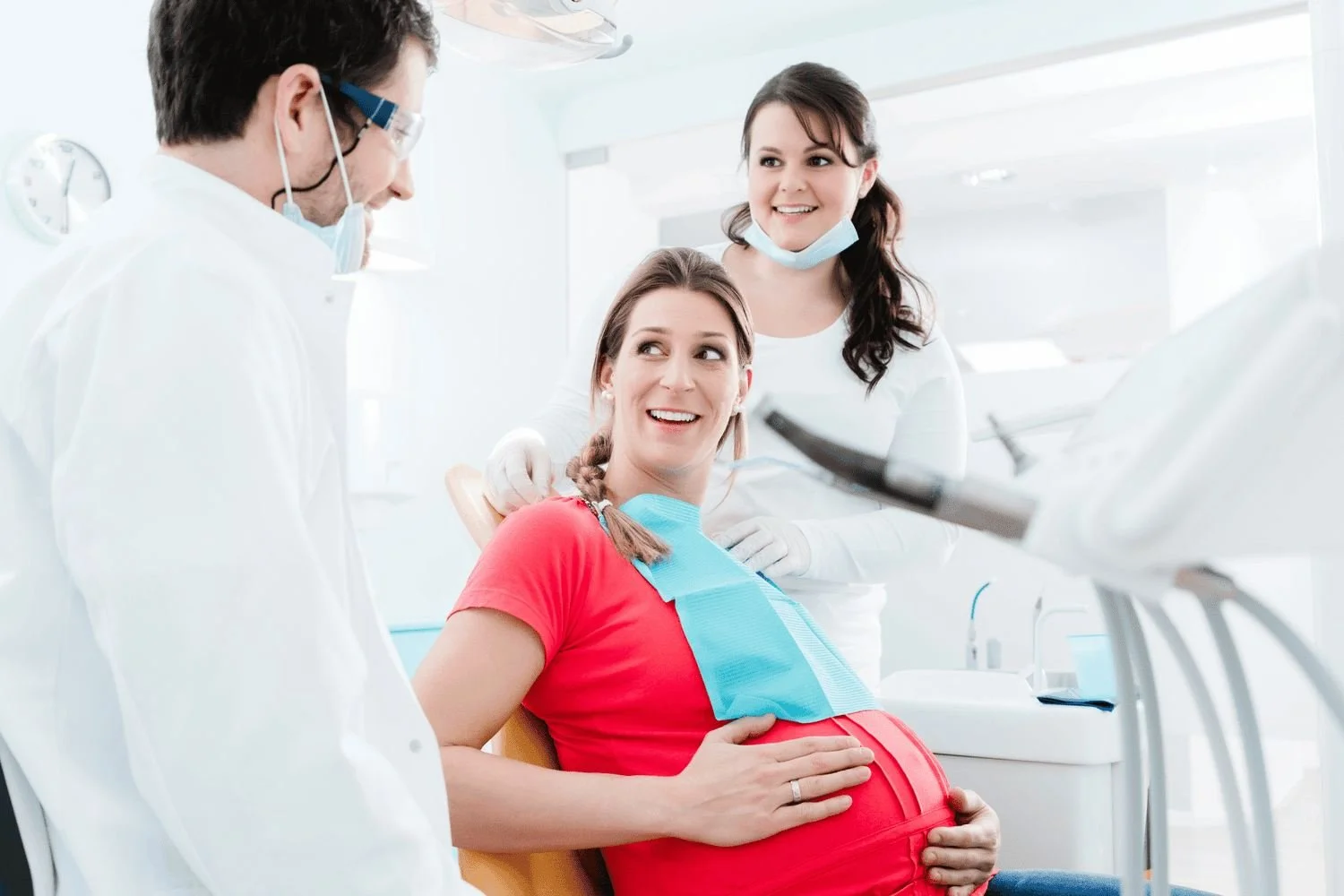
Dental appointments during pregnancy may include some modifications for your comfort and safety. Expect your dentist to ask detailed questions about your pregnancy, including due date, any complications, medications you're taking, and contact information for your obstetrician.
During your exam, your dentist may position you at a slight incline rather than lying completely flat to prevent supine hypotension. Take breaks to shift positions if you feel uncomfortable lying back for extended periods.
Preparing for visits to the dentist while pregnant may include bringing a list of medications and supplements, having your obstetrician’s contact information available, scheduling appointments for times when you typically feel best, and eating a light meal beforehand to help reduce nausea.
Keeping Your Dental Health in Check During Pregnancy
Dental care for pregnant women is generally similar to routine dental care, with a few adjustments for comfort and safety. Don't hesitate to consult with your dentist about safe treatments for any dental concerns that arise during pregnancy.
At Total Health Dental Care, we understand the unique needs of expectant mothers and provide expert care tailored to each stage of pregnancy. Our team coordinates with your healthcare providers to ensure safe, effective dental treatment when you need it most. Reach out to us for expert advice and care during your pregnancy.
FAQs
Can you go to the dentist while pregnant?
You go to the dentist while pregnant. Visiting the dentist during pregnancy is safe and recommended. Regular dental care during pregnancy is important for both maternal and fetal health. The second trimester is generally the ideal time for routine dental work, though urgent issues should be addressed at any stage.
Can a tooth infection cause a miscarriage?
While a direct cause-and-effect link is not usually established, severe, untreated tooth infections can contribute to systemic inflammation and may increase the risk of pregnancy complications. Bacteria from dental infections can enter the bloodstream and trigger inflammatory responses throughout the body. This is why dentists recommend treating dental infections promptly during pregnancy rather than leaving them untreated.
Will dental work affect my baby's health?
Dental work performed with appropriate precautions typically does not affect your baby’s health. Maintaining good dental health during pregnancy can benefit both you and your developing baby. Your dentist will choose pregnancy-safe medications and techniques. Untreated dental problems pose greater risks to pregnancy than properly performed dental procedures.
Can I get numbed for a filling while pregnant?
You get numbed for a filling while pregnant. Local anesthetics like lidocaine are considered safe during pregnancy and can be used for fillings and other dental procedures. Your dentist will discuss the risks and benefits of using anesthesia for dental work with you before any procedure is performed.
