
Signs of Impacted Wisdom Teeth
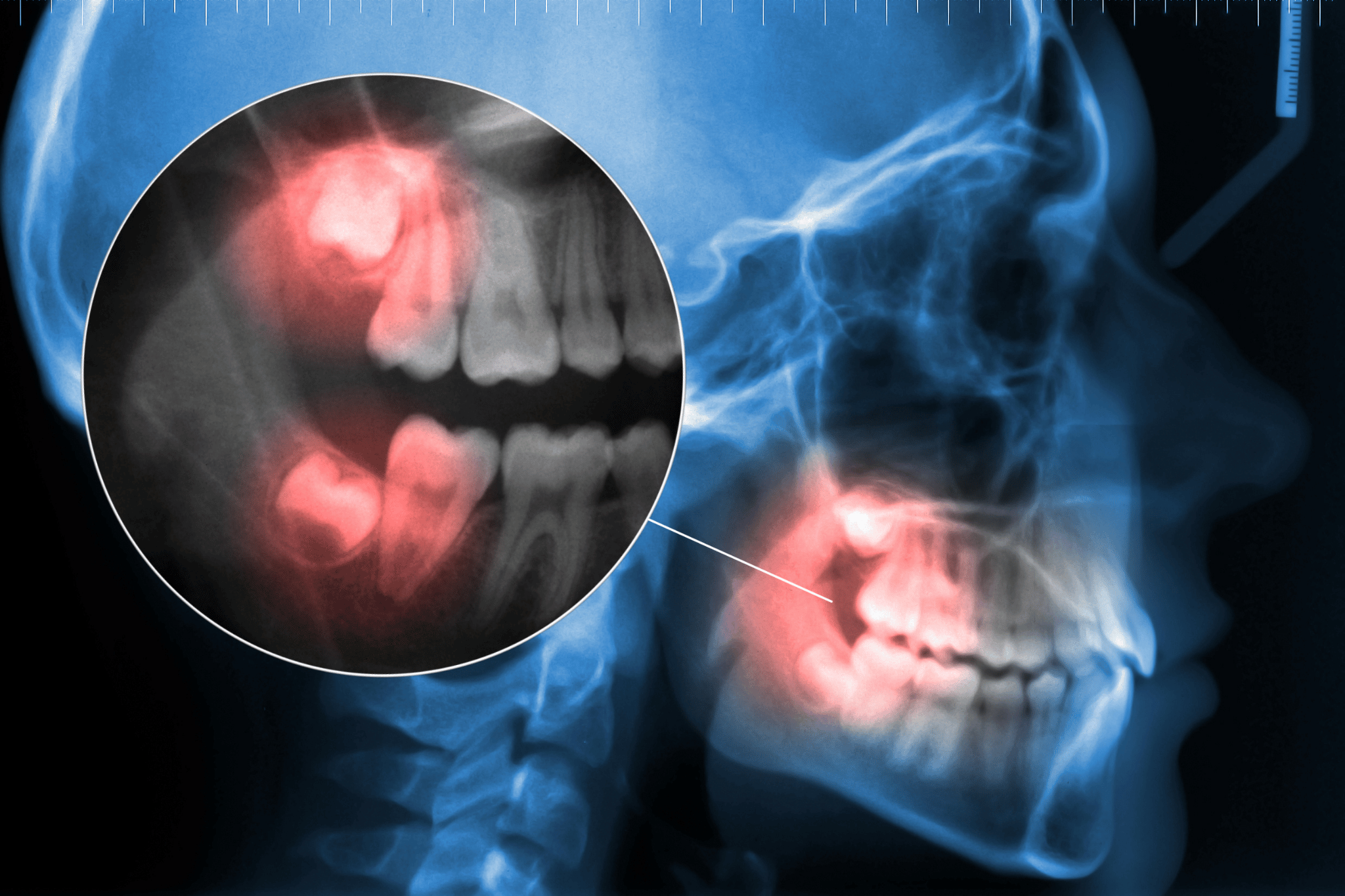
Wisdom teeth are the last molars to develop and erupt, typically emerging between the ages of 17 and 25. These third molars may have been more useful for our ancestors, who needed extra chewing power for coarse diets, but modern jaws often don’t have enough space to accommodate them. Not all wisdom teeth come in normally. Some become impacted, meaning they can't fully emerge through the gums into a functional position.
Recognizing early signs of impacted wisdom teeth can help prevent complications and guide timely treatment. We’ll explain what impacted wisdom teeth are, how to recognize symptoms, what can happen if impaction goes untreated, and when to contact a dentist.
What Are Impacted Wisdom Teeth?
Impacted wisdom teeth occur when these third molars don’t have enough space to erupt normally or are angled in a way that blocks eruption. Impaction occurs when wisdom teeth remain partially or completely trapped beneath gum tissue and/or jawbone.
Several factors can contribute to impaction, but a lack of space is a common reason. When wisdom teeth attempt to emerge without enough space, they become stuck against existing teeth or remain buried in the jawbone.
Tooth angulation is another common reason. Wisdom teeth may grow at various angles rather than straight up, pushing against neighboring molars or growing toward the back of the mouth.
Jaw size and shape vary, so some people have enough room for wisdom teeth while others don’t. Existing tooth crowding can reduce available space, as do individual anatomical differences in jaw structure.
How Do I Know My Wisdom Tooth Is Impacted?
Symptoms of impacted wisdom teeth vary depending on the degree of impaction and the presence of complications. Some impacted wisdom teeth cause no noticeable symptoms at first and are only found on dental X-rays. Others create obvious discomfort.
The Early Warning Signs
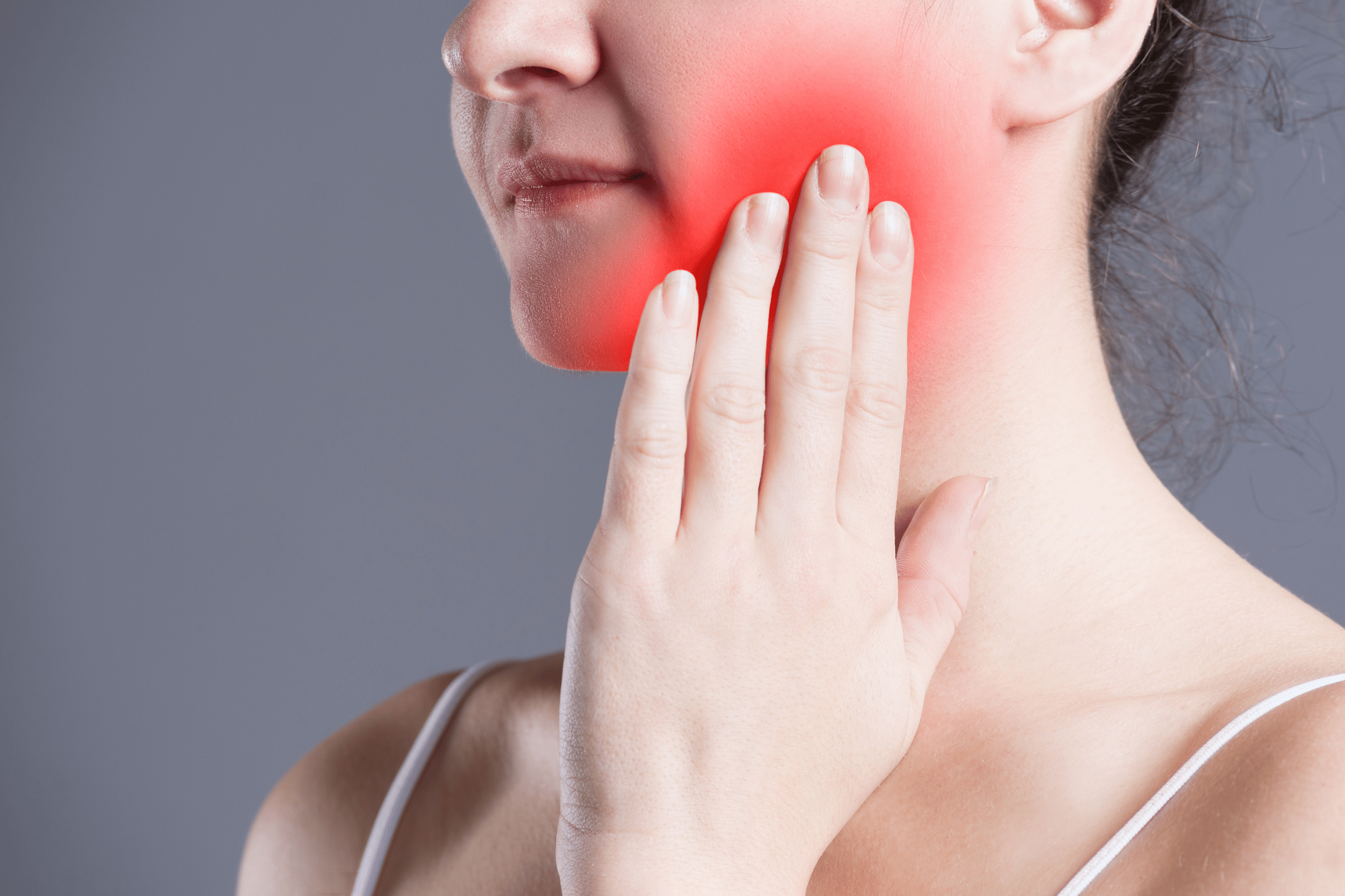
Jaw pain or stiffness, particularly near the back of your mouth, can be an early sign of wisdom tooth issues. The pain may be constant or intermittent, worsening when chewing or opening your mouth wide.
Gum swelling, redness, or bleeding near the back molars can indicate inflammation from an emerging or impacted wisdom tooth. You might notice tender, puffy gum tissue behind your last visible molar. Bleeding may occur, especially when brushing.
Sensitivity when chewing can occur because impacted teeth exert pressure on surrounding structures. You might feel discomfort when biting down on food with your back teeth or notice general aching in the rear jaw area.
Common Symptoms and Complications Caused by Impacted Wisdom Teeth
Impacted wisdom teeth symptoms can include pain, infection, cavities, teeth crowding, and damage to surrounding teeth.
Gum infection and inflammation: Also called pericoronitis, this is one of the most common complications. When wisdom teeth partially break through the gums, a flap of gum tissue often remains over part of the tooth. This creates a pocket where food particles and bacteria accumulate, leading to infection. The affected area becomes swollen and painful and may produce pus or drainage.
Cavities: Cavities can develop on impacted wisdom teeth or neighboring molars because these hard-to-reach areas are difficult to clean. The second molar directly in front of an impacted wisdom tooth faces a particular risk since cleaning between these teeth can be difficult.
Crowding and pressure: This can vary significantly between individuals. Some people feel distinct pressure or pain as impacted wisdom teeth push against other teeth, while others notice no crowding sensation despite X-rays showing impaction.
Earaches or temple pain: Referred pain can occur. Lymph nodes under the jaw or in the neck may also swell in response to infection or inflammation around impacted wisdom teeth.
Fever: A fever signals that infection may be spreading beyond the local area. Any fever combined with wisdom tooth pain is a red flag that you should seek prompt dental care.
Types of Impacted Wisdom Teeth
The tooth's angle and position determine which structures it affects and what symptoms develop. There are four possibilities:
Mesial impaction, the most common type, occurs when wisdom teeth angle forward toward the front of the mouth. The tooth tilts toward the second molar, potentially damaging that tooth's roots.
Vertical impaction happens when wisdom teeth grow straight up and down but remain trapped beneath gum tissue or bone. These teeth are properly aligned but lack sufficient space to fully emerge.
Distal impaction involves wisdom teeth angled backward, away from other teeth, toward the rear of the mouth.
Horizontal impaction is the most problematic type. The wisdom tooth lies completely sideways, pushing directly into the roots of the second molar. Horizontal impaction causes significant pain, damages adjacent teeth, and almost always requires removal.
What Happens If an Impacted Tooth Is Left Untreated?
Ignoring impacted wisdom teeth can increase the risk of complications. The risk of recurrent infection or abscess can increase over time, especially with partially erupted teeth. Damage to nearby teeth or bone can gradually worsen if an impacted tooth presses on the adjacent molar or creates a hard-to-clean area. Once this damage occurs, both the wisdom tooth and the adjacent molar may require treatment or extraction.
Chronic inflammation around impacted wisdom teeth contributes to periodontal disease, which can affect surrounding teeth and bone. Although rare, cysts can form around impacted teeth and may expand over time, weakening the jawbone and damaging multiple teeth.
Long-term misalignment of teeth may result from continuous pressure exerted by impacted wisdom teeth, though this relationship remains debated among dental professionals. Even when a wisdom tooth isn’t the cause of front-tooth crowding, the local effects on back teeth can be significant.
Treatment Options for Wisdom Teeth Impaction
Impacted wisdom teeth removal is a common treatment approach when an impacted tooth is symptomatic or poses a risk to nearby teeth. Dentists often recommend early removal because younger patients typically experience easier extractions, faster healing, and fewer complications compared to older adults, whose tooth roots are fully developed and have higher bone density.
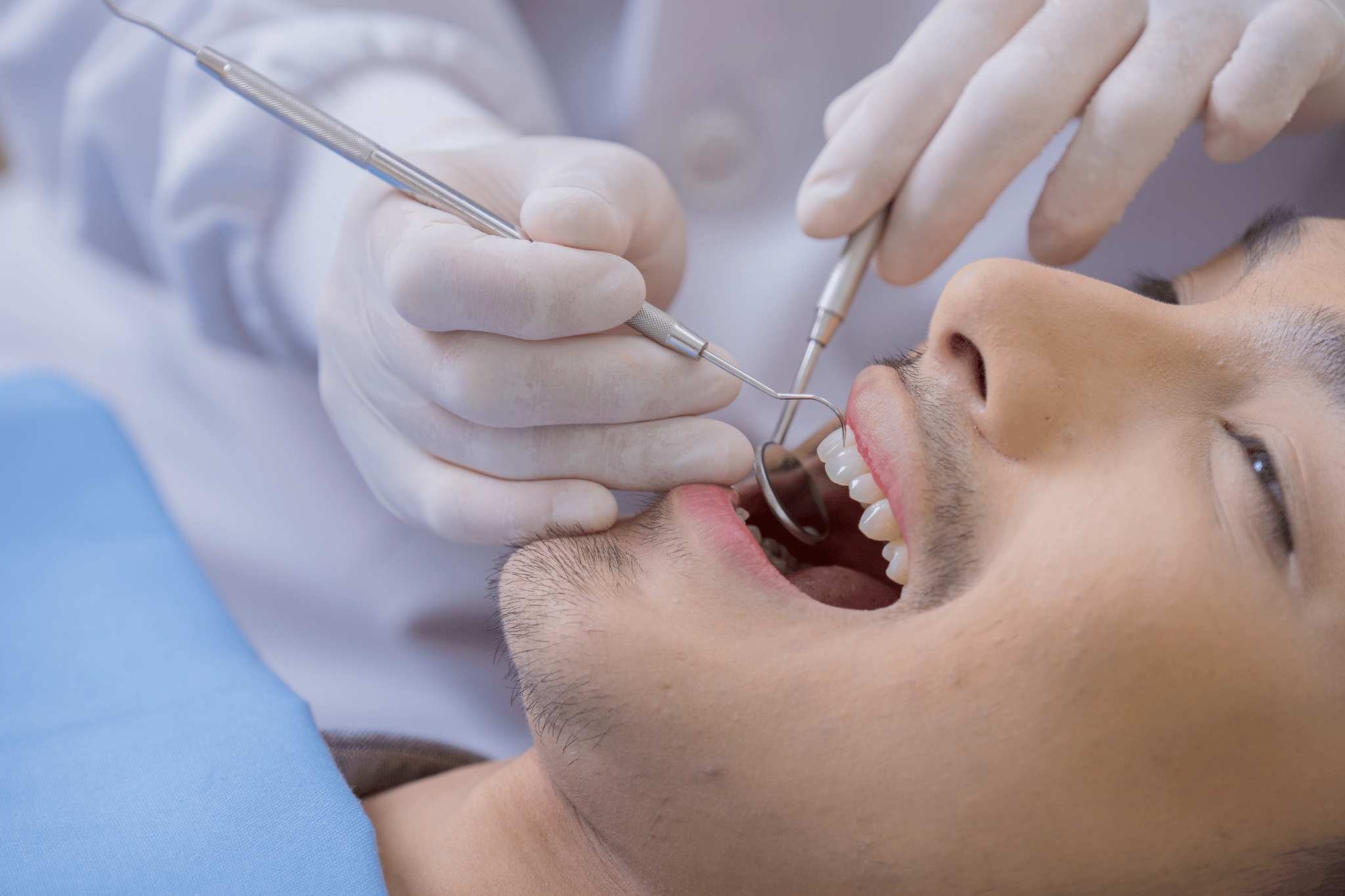
The removal process begins with an evaluation, including X-rays to view tooth position, root structure, and relationship to nearby nerves. Your dentist or oral surgeon will discuss anesthesia options ranging from local anesthesia to sedation based on the complexity of your case.
The actual procedure varies based on impaction type. Partially erupted teeth may require only minor gum tissue removal before extraction, whereas fully impacted teeth may require incisions and, in some cases, bone removal to access the tooth.
Recovery includes managing any pain with prescribed medications, eating soft foods, and maintaining gentle oral hygiene while avoiding the extraction site initially. Many people feel substantially better within a few days to a week, while full healing of the socket can take several weeks.
Next Steps If You Notice Signs of Impacted Wisdom Teeth
If you're experiencing signs of your wisdom teeth coming in or suspect impacted wisdom teeth, we offer comprehensive evaluations to assess their position and determine the best course of action for your situation.
Our experienced team can identify impaction through examination and imaging, explain your treatment options and recommendations, and connect you with one of our specialists, if needed.
Schedule an appointment to prevent future pain and complications. Early intervention often means simpler treatment and better outcomes compared to waiting until severe problems develop.
FAQs About Impacted Wisdom Teeth
What is the difference between impacted and non-impacted wisdom teeth?
The difference between impacted and non-impacted wisdom teeth is that impacted wisdom teeth remain partially or completely trapped beneath gum tissue and bone, unable to emerge normally due to insufficient space, incorrect angle, or obstruction. Non-impacted wisdom teeth emerge fully through the gums into the proper position with adequate space and correct alignment, just like other molars.
Do impacted wisdom teeth hurt?
Impacted wisdom teeth may or may not hurt, depending on the degree of impaction and whether complications have developed. Some fully impacted teeth remain asymptomatic for years, only being found on dental X-rays. However, partially impacted teeth frequently cause pain as they push through the gums, exert pressure on adjacent teeth, or develop infections around exposed portions. Pain can range from mild discomfort to severe, throbbing pain that radiates to the ear or temple.
What do impacted wisdom teeth look like?
Fully impacted wisdom teeth aren't visible in the mouth because they lie completely beneath the gum tissue and bone. Partially impacted wisdom teeth may show part of the tooth crown breaking through the gums, often appearing as a small white bump or the edge of the tooth emerging behind the last visible molar. The surrounding gum tissue may appear red, swollen, and inflamed. You might see a flap of gum tissue partially covering the tooth, or notice the tooth emerging at an unusual angle rather than straight up.
