
Can a Cracked Tooth Be Saved?

You bite into something and feel a sharp pain shoot through your tooth. Or maybe you notice a small line running down the side of a molar and wonder if it's just a cosmetic issue or something serious. A cracked or fractured tooth is one of those dental problems that can make you anxious about what comes next.
The good news is that many cracked teeth can be saved with prompt treatment. Not every crack is the same, and treatment depends on the type and depth of the fracture. Some only affect the enamel surface, while others extend deep into the root. This guide explains how dentists evaluate cracked teeth, what treatment options are available, and when early action matters most for saving your tooth.
What Is a Cracked Tooth?
A cracked tooth is a fracture in the tooth structure that can range from a small enamel crack to a deeper fracture that may extend into the tooth or root. The terms "cracked tooth," "fractured tooth," and "tooth fracture" are often used interchangeably, though dentists distinguish different types based on severity and location.
Some cracks are barely visible to the naked eye, while others are obvious. The location of the crack matters quite a bit. A crack confined to the enamel is different from one extending into the dentin or pulp. The deeper the crack penetrates, the more serious the situation and the more limited your treatment options may be.
Cracks often worsen over time with everyday chewing and even temperature changes. A small hairline fracture can become a much bigger problem over time if ignored. This is why catching cracks early usually offers better outcomes.
What Causes a Cracked or Fractured Tooth?

Several factors can contribute to cracked teeth:
Biting hard foods like ice, hard candy, or nuts can cause immediate fractures, especially if your teeth are already weakened.
Teeth grinding at night places intense pressure on teeth, gradually wearing them down and creating stress fractures that eventually crack.
Trauma from accidents, falls, or sports injuries can break or crack teeth suddenly.
Teeth with extensive restorations have less natural tooth structure left to support them, increasing the risk. Sometimes large fillings can weaken the surrounding tooth structure, making it more prone to cracking. Teeth that have had root canal treatment may be more prone to fracture, especially when significant tooth structure has already been lost.
Age-related wear can also contribute, since teeth that have been under years of chewing stress or have older restorations may be more prone to cracking. Combined with years of chewing and potential wear on fillings, older teeth are at higher risk.
Common Signs of a Cracked Tooth
Pain when biting or releasing biting pressure can be a sign of a cracked tooth. You might notice discomfort when biting down on a specific tooth, and then the pain releases when you stop applying pressure. This pattern is classic for cracked teeth.
Tooth sensitivity to hot, cold, or sweet foods can be a sign that a crack has extended deeper into the tooth.
A visible crack in the tooth is obvious, but many cracks aren't visible to the naked eye. You might experience unexplained pain that comes and goes without an obvious cause. When your dentist examines you and finds a crack you couldn't see, this explains the mystery.
Swelling or pain in the gums of the affected tooth may suggest the crack has affected the tooth’s pulp or led to infection. If you notice facial swelling or significant pain, seek dental care right away.
How to Fix a Cracked Tooth
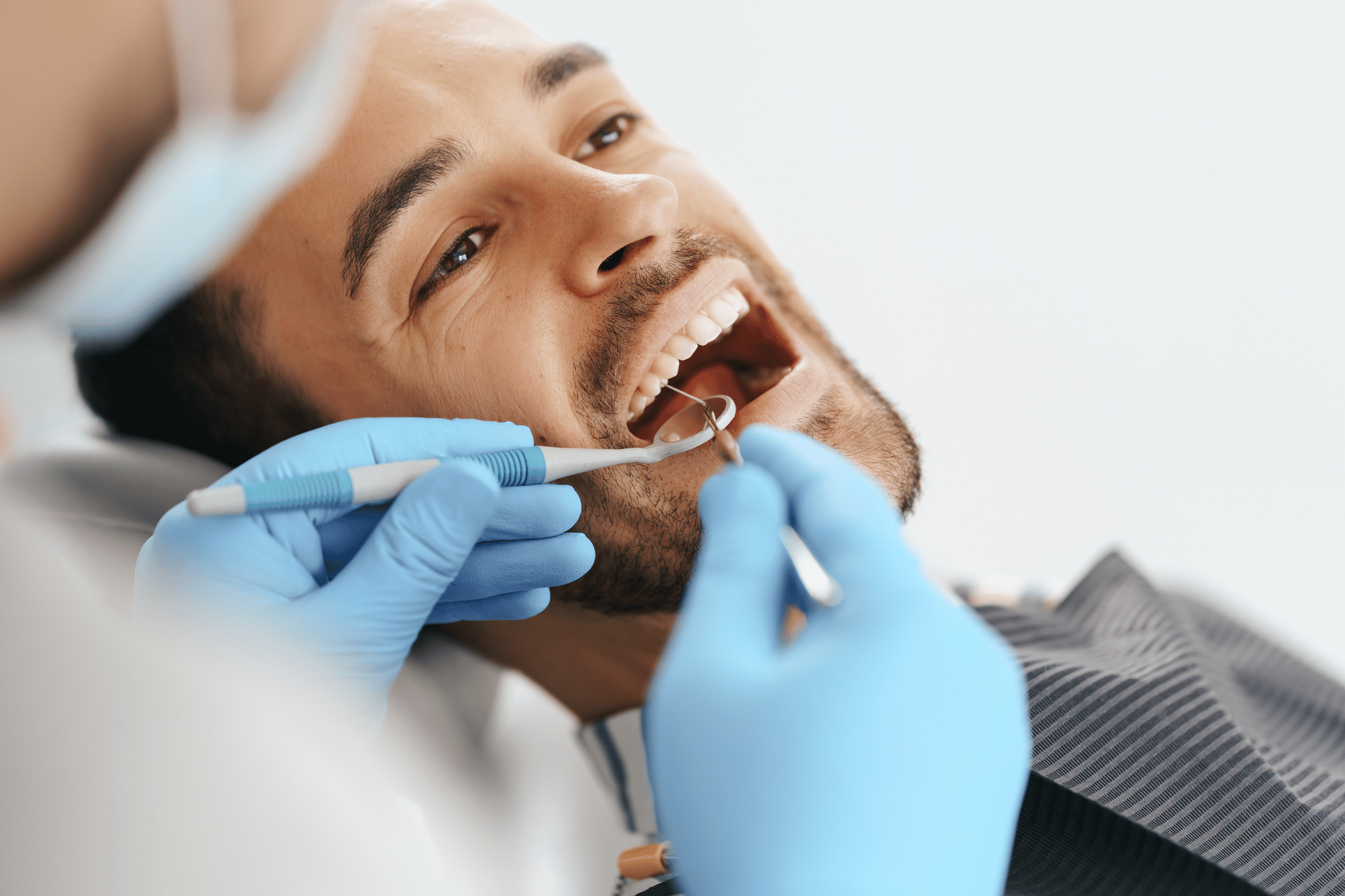
Treatment depends on the location, size, and depth of the crack. Small surface cracks require different approaches from deep fractures. Early cracked tooth repair often offers the best chance of saving the tooth, as treatment options are more numerous before damage becomes severe.
Dental Bonding
Dental bonding may be appropriate for small cosmetic cracks that affect only the enamel layer. Tooth-colored resin is applied to the crack, shaped to match your natural tooth, and hardened with a light. This approach restores the appearance quickly and costs less than crowns, though the bonding material isn't as durable in the long term.
Dental Crowns
Dental crowns help protect and strengthen teeth with larger cracks or weakened structure. The damaged tooth is reshaped as needed, and a custom crown covers and protects it from further damage and distributes chewing forces evenly. Crowns are more durable than bonding and better for teeth with significant damage.
Root Canal Treatment
Root canal treatment may be recommended if the crack reaches the pulp and causes infection or inflammation. The infected pulp is removed, the interior is cleaned and sealed, and a crown is often placed afterward to help protect and strengthen the tooth.
Tooth Extraction
Some severely fractured teeth cannot be predictably restored and may require extraction. Cracks extending below the gumline, splits running vertically through the root, or fractures with damage so extensive that restoration is not possible may all require extraction. After the tooth heals, replacement options like dental implants, bridges, or partials can be discussed.
How Long Can a Cracked Tooth Go Untreated?
Even small cracks can grow over time due to everyday chewing and temperature changes. A hairline fracture ignored today can become a major problem over time. Delaying treatment can increase the risk of infection, allow the crack to spread, and raise the chance that the tooth may no longer be restorable.
Patients should schedule an evaluation as soon as symptoms appear or when a crack is discovered. The earlier you address the problem, the better your chances of successful treatment and tooth preservation.
What Are the Signs That a Cracked Tooth Needs to Be Pulled?

Some situations make extraction more likely, despite our preference to save teeth. If the crack extends below the gumline into the root, restoring the tooth may no longer be possible because you can't seal and support a crack below the gum tissue.
When the tooth cannot be restored with a filling or crown because the damage is too extensive or the location prevents proper restoration, extraction may be the only option. Severe infection, extensive structural damage, or a tooth split vertically down the middle may require extraction.
A dentist will carefully evaluate whether saving the tooth is still possible or if extraction is the most appropriate treatment. We always try to preserve natural teeth, but sometimes extraction is the best path forward.
Can Cracked Teeth Be Prevented?
Accidents happen, but there are several preventive measures to reduce the risk:
Wear a nightguard if you grind your teeth to protect them from stress fractures.
Avoid chewing ice, hard candy, or other hard objects to eliminate a common cause of cracks.
Avoid using your teeth to open packages or bottles. This dramatically increases fracture risk. Address cavities and worn fillings early to prevent weakening of the tooth structure.
Get regular dental exams to identify teeth that are weakened, heavily filled, or at risk, allowing your dentist to recommend protective measures like crowns.
Save Your Smile with Prompt Care from Total Health Dental Care
A cracked tooth should be evaluated as soon as possible to improve your chances of successful treatment and tooth preservation. Early intervention can make the difference between saving your tooth and needing more extensive treatment.
Total Health Dental Care offers personalized evaluations and treatment options for cracked and fractured teeth. Our experienced team assesses your crack, discusses available treatments, and develops a plan to save your tooth when possible. Early care protects your natural tooth and reduces the need for more extensive treatment down the road.
Schedule an appointment if you have a cracked tooth or suspect one. Don't wait hoping it improves on its own. Explore our full range of dental services to learn how we address tooth damage and restore your smile.
FAQ
What happens if a tooth cracks in half but is still attached?
If a tooth cracks in half but remains attached to the root and gum, your dentist will evaluate whether the tooth can be saved. The location of the crack relative to the gumline is critical. If the crack is above the gumline and the tooth is still restorable, a crown may help protect the tooth from further damage. If the crack extends below the gumline, extraction is likely necessary, as you cannot properly seal and support it.
Does a cracked tooth need to be pulled?
Not all cracked teeth need to be pulled. Many can be saved with appropriate treatment, such as bonding, crowns, or root canal therapy, followed by a crown. Whether extraction is necessary depends on the crack's location, depth, and extent of damage. Cracks confined to the enamel or extending into dentin often respond well to restoration. Cracks that reach the pulp may require root canal treatment and a crown. Only cracks that cannot be properly restored or sealed require extraction.
What causes tooth fractures?
Tooth fractures can be due to several causes, including biting hard foods like ice or nuts, trauma from accidents or sports injuries, teeth grinding, large fillings weakening tooth structure, age-related brittleness, and teeth that have had root canal treatment and already have significant structural loss. Teeth with cavities or extensive decay are also more prone to fracturing. Some fractures develop suddenly from impact, while others develop gradually from ongoing stress.
