
What Happens If You Delay Dental Treatment?

You notice a small twinge when you bite down on your back molar, but it's not painful enough to worry about right now. Your gums bleed a little when you floss, but you're busy and figure you'll schedule a dentist appointment sometime soon. Putting off dental care is incredibly common, but even small dental problems can become much bigger issues over time.
The tricky thing about dental problems is that many don't cause pain right away. A cavity might lurk silently for months before you feel anything. Gum disease can progress gradually, sometimes without obvious symptoms, until damage has already occurred. By the time you finally feel pain or notice something more serious, the problem has often advanced beyond what a simpler treatment could have addressed.
This guide explains what happens when dental treatment is delayed, the risks of delaying emergency dental treatment, and why catching problems early almost always leads to simpler treatment, less discomfort, and lower costs.
Why Do People Delay Dental Treatment?
Common reasons for delaying dental treatment include cost concerns about affording care, dental anxiety or fear making appointments feel overwhelming, busy schedules where dental visits seem impossible to fit in, and symptoms that seem minor or not worth addressing right now.
Financial worries are understandable. Dental treatment can be expensive, especially without insurance. When money is tight, dental care can feel like something you have to put off. But delaying dental treatment due to cost often backfires. What may cost relatively little today can become much more expensive later if the problem worsens. Many dental clinics offer payment plans or dental memberships to make care more affordable and accessible.
Dental anxiety leads many people to avoid appointments. Past negative experiences, fear of pain, or general nervousness about dental procedures keep anxious patients away. The challenge is that avoiding the dentist often means more extensive treatment is needed later.
Many people are simply too busy. Work, family responsibilities, and life's demands crowd out dental appointments. When nothing hurts, it's easy to convince yourself that a dental visit can wait another month, then another month, until suddenly a year has passed.
What Happens When You Delay Dental Treatment?
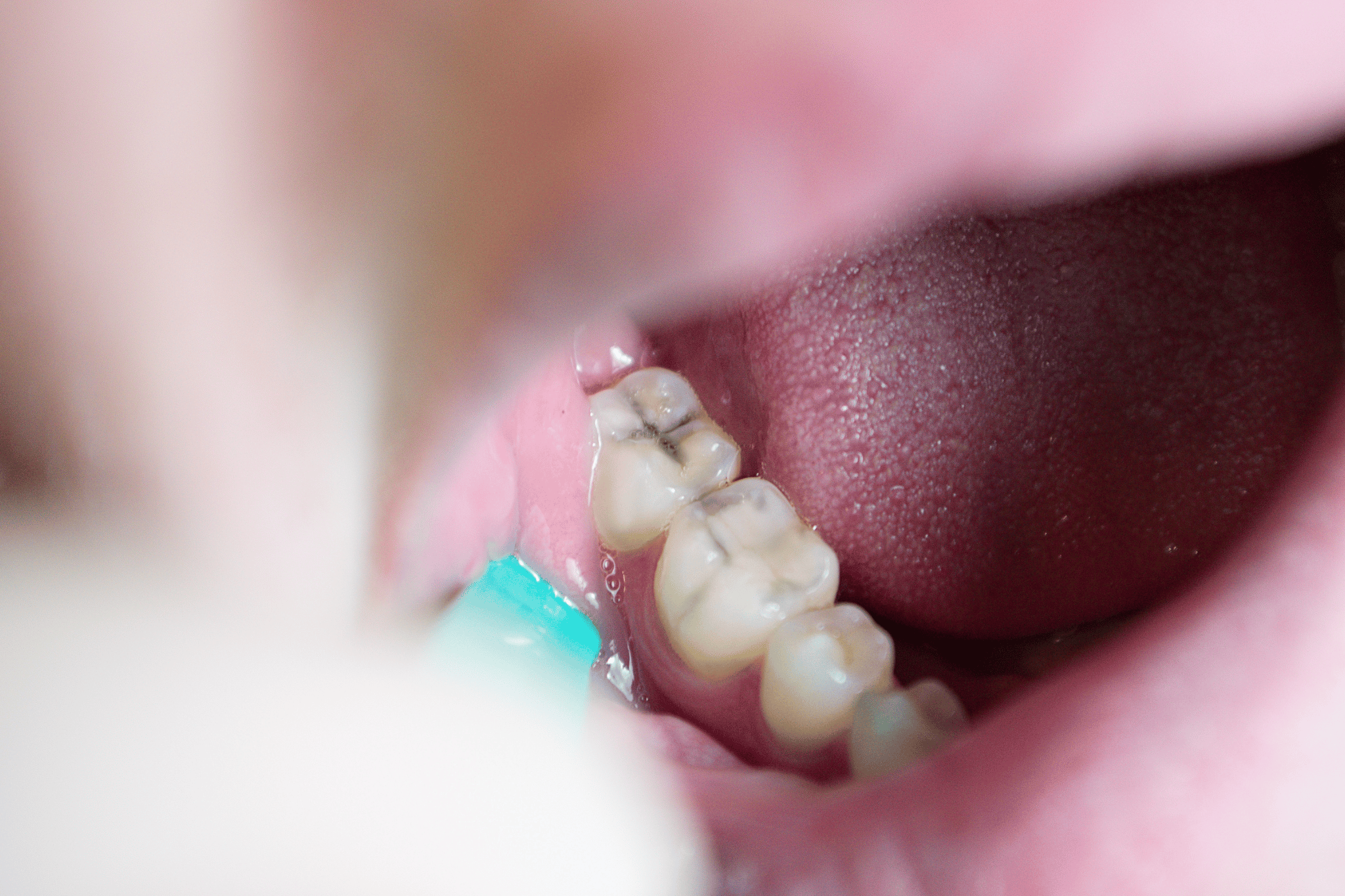
Many dental conditions worsen over time instead of improving on their own. Many dental problems tend to worsen over time rather than resolve on their own. Early treatment is often simpler, less invasive, and less costly than waiting until damage becomes more severe.
Cavities Can Become Larger
A small cavity caught during a routine exam is usually simpler and less costly to treat than advanced decay. Left untreated, that same cavity can progress deeper into the tooth and may eventually reach the pulp. At that point, treatment may require a root canal and crown instead of a simple filling.
Tooth pain often doesn't develop until decay has advanced significantly. You might have a cavity for months without feeling anything, then suddenly experience severe pain when the nerve becomes involved. By that point, a simple filling may no longer be an option.
Delayed cavity treatment can eventually lead to extraction if decay destroys too much tooth structure for restoration. Early treatment may prevent the need for extraction and more complex tooth replacement later.
Gum Disease Can Progress
Untreated gingivitis, the earliest stage of gum disease, can progress to periodontitis, which affects the tissues and bone supporting the teeth. Early gingivitis is reversible with professional cleaning and improved home care. Untreated, it progresses to periodontitis with permanent bone loss.
Gum disease can lead to gum recession, exposing tooth roots; bone loss; weakened tooth support; loose teeth that shift and move; and, if left unchecked, eventual tooth loss. The longer gum disease progresses, the less reversible the damage becomes. What starts as bleeding gums may later require ongoing periodontal maintenance if the disease progresses and symptoms worsen.
Dental Infections Can Become Serious
Untreated tooth infections can spread beyond the tooth and surrounding tissues. A dental infection can spread to surrounding tissues and become more serious if left untreated. Swelling around an infected tooth can worsen and may spread into nearby facial tissues.
Severe pain, fever, or spreading swelling from a dental infection demands immediate emergency care and should be evaluated promptly. Antibiotics may be used in some cases to help manage infection, but they do not eliminate the underlying dental cause on their own. Definitive dental treatment is still needed.
The Risks of Delaying Emergency Dental Treatment
The risks of delaying emergency dental treatment escalate dramatically with severe pain, swelling, trauma, or signs of infection. Broken teeth, abscesses, and knocked-out permanent teeth require prompt dental care whenever possible.
A knocked-out permanent tooth has the best chance of successful reimplantation when treated as quickly as possible, ideally within 30 to 60 minutes. Waiting hours to see a dentist dramatically reduces the chance of saving the tooth. By the time you finally get care, it's often too late for reimplantation.
A dental abscess with facial swelling can be a serious infection. Delaying treatment allows the infection to spread and worsen. If the infection worsens, swelling and pain may increase, and urgent dental or medical evaluation may be needed.
How Delaying Dental Care Can Affect Your Overall Health

Oral health and overall health are closely connected in ways many people don't realize. Untreated dental infections can affect overall health if they spread. Advanced gum disease has been associated with health conditions such as diabetes complications and cardiovascular disease, although these links do not always mean direct causation.
Beyond physical health, untreated dental problems significantly affect quality of life. Tooth pain interferes with eating, making you restrict your diet to soft foods and miss important nutrients. Speaking becomes difficult with missing or damaged teeth. The embarrassment of untreated dental problems affects confidence and social engagement.
Preventive dental care supports long-term oral health and overall wellness by catching problems early and preventing the cascade of complications that develop from neglect.
Delaying Dental Treatment May Increase Costs
Minor dental problems are inexpensive to treat early. A small filling, professional cleaning, or simple extraction is often less costly than the more complex treatment needed once problems progress.
Waiting leads to more complex procedures requiring multiple appointments, specialized treatment, and longer recovery times. A cavity becomes a root canal and crown. A minor dental problem can progress into a more complex issue requiring more extensive treatment. Gum disease progresses from a simple professional cleaning to deep cleaning procedures or even surgical periodontal treatment.
The financial impact compounds. Delaying regular preventive care and ignoring early symptoms can lead to more extensive and more expensive treatment later. Regular preventive care costs a fraction of the treatment needed to fix neglected problems.
How to Get Back on Track After a Dental Delay
It's never too late to return to the dentist, even after years without care. Many people feel embarrassed about returning after a long gap, but dental teams are used to helping patients restart care. They're simply glad you're back and focused on protecting your teeth moving forward.
A comprehensive exam identifies which concerns need immediate attention and which can be addressed over time. Sometimes this means handling infections and pain first, then addressing preventive care and other issues.
Many dental offices help patients prioritize treatment based on urgency and budget. If cost is a concern, discuss payment plans, dental membership programs, or prioritizing certain treatments over others. Getting back to regular care now can help prevent small concerns from becoming larger problems later.
Take the First Step with Total Health Dental Care
Whether you've delayed dental care for months or years, seeking treatment now helps prevent future complications. A small cavity may become a more serious problem if left untreated. Bleeding gums can be an early sign of gum disease that may worsen if ignored. That chipped tooth may become more vulnerable to further damage or decay if left untreated.
Total Health Dental Care helps patients understand their oral health, prioritize treatment needs, and create personalized care plans matching their budget and health goals. We focus on understanding your oral health now and helping you move forward with a practical treatment plan. Schedule a comprehensive exam to see where you stand and what treatment is most important to address first.
Scheduling a dental visit today can prevent small concerns from becoming larger problems requiring expensive emergency treatment tomorrow. Explore our complete dental services and learn how we help patients get back on track with their oral health.
FAQ
What happens if you avoid the dentist for several years?
Avoiding the dentist for years allows multiple dental problems to develop and progress simultaneously. Small cavities become large cavities or need root canals. Early gum disease progresses to advanced periodontitis with bone loss and loose teeth. Tartar accumulates on teeth and may require professional cleaning or, in some cases, deeper periodontal treatment to remove. By the time you return, you may need urgent treatment for pain or infection, followed by more extensive restorative or periodontal care. The longer you avoid care, the more complex and expensive treatment becomes.
How long can you avoid the dentist?
You can go a long time without seeing a dentist, but doing so increases the risk of untreated decay, gum disease, infection, and more complex treatment needs later. Your teeth will gradually deteriorate through decay, gum disease, and wear. You may experience severe pain or infections requiring emergency treatment. Beyond dental health, untreated oral infections can affect overall health, especially if they become more serious. Regular dental visits are recommended, but the ideal frequency depends on your oral health needs and risk factors.
What happens if you don't treat your teeth?
Untreated dental problems progress and worsen over time. Cavities advance from small and treatable to requiring root canals or extraction. Gum disease progresses from reversible gingivitis to permanent periodontal disease with bone loss and eventual tooth loss. Untreated infections can worsen and, in some cases, become serious. Wear and damage accumulate without professional cleaning or care. Years of avoiding the dentist can lead to tooth loss, more extensive treatment needs, higher costs, and negative effects on quality of life.
