
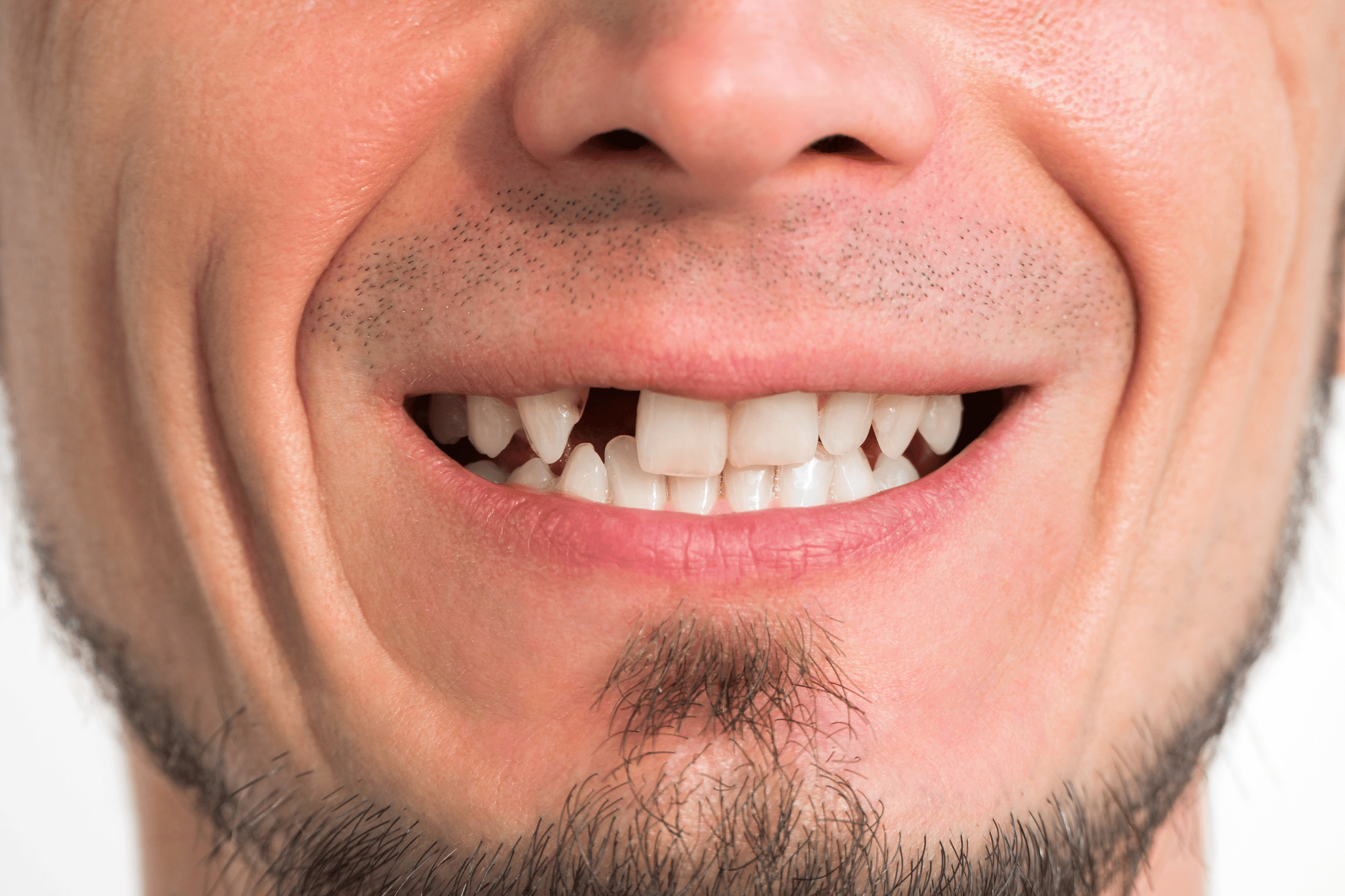
Losing a tooth quickly raises a practical question: should you replace it with a dental bridge or a dental implant? Both options can restore your smile and chewing function, but they work very differently. One relies on the teeth beside the gap, while the other replaces the missing tooth root. Understanding those differences makes it easier to talk with your dentist about what fits your situation.
Dental bridges and dental implants are two common tooth replacement options that restore the appearance and function of missing teeth. While both can fill gaps in your smile, they differ in placement, longevity, cost, and maintenance. This guide compares dental bridges and implants so you can understand your choices and move forward with confidence.
Dental Bridge vs. Implant: What’s the Difference?
Both treatments replace missing teeth, but they differ in how they are placed and supported.
What Is a Dental Bridge?
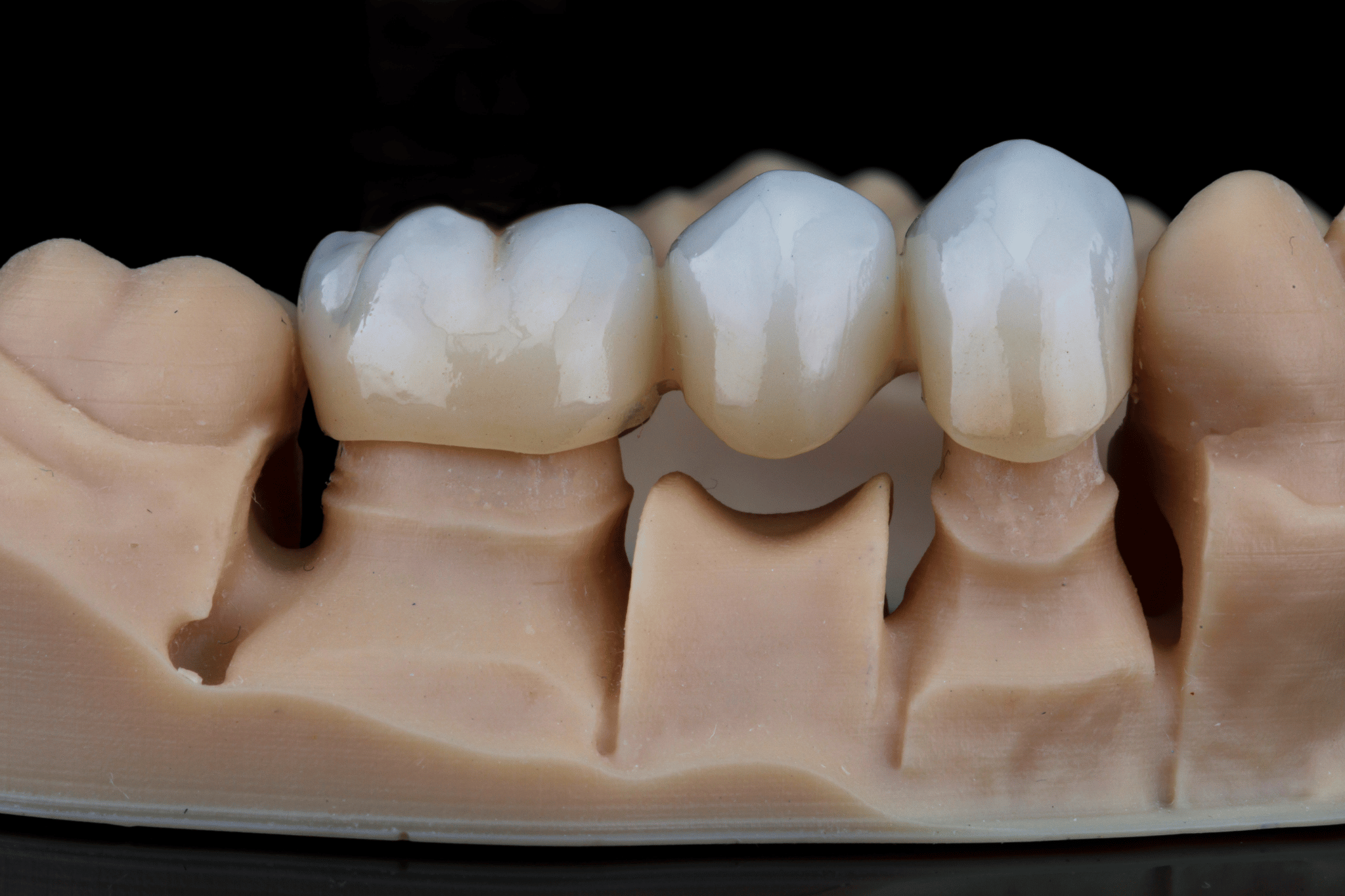
A dental bridge replaces one or more missing teeth using artificial teeth anchored to neighboring teeth or other supports. Traditional bridges usually require reshaping the adjacent teeth so they can hold dental crowns that connect to the replacement tooth. Because traditional tooth-supported bridges do not require surgery, treatment generally takes less time.
What Is a Dental Implant?
A dental implant uses a post surgically placed in the jawbone to support an artificial tooth. Unlike a traditional bridge, an implant replaces the missing tooth root and does not rely on neighboring teeth for support. Treatment typically takes longer because the implant needs time to fuse with the jawbone before the dentist attaches the final crown.
Pros and Cons of Dental Bridges vs. Implants

Both dental bridges and implants have advantages and limitations. Comparing their benefits and drawbacks can help you decide which option best fits your dental needs, budget, and treatment preferences.
Benefits and Limitations of Dental Bridges
Bridges offer faster treatment, a lower initial cost, and no implant surgery. They are a practical choice for many patients who want to restore a gap without surgery.
The main limitations are that a bridge may require altering healthy neighboring teeth, does not replace the missing tooth root, and may need replacement over time.
Benefits and Limitations of Dental Implants
Implants are supported by the jawbone rather than neighboring teeth. They can help preserve jawbone by providing stimulation similar to a natural tooth root
The main limitations are higher initial cost, surgical placement, and a longer healing period. Some patients need bone grafting before treatment if their jawbone has thinned after tooth loss.
How Long Do Dental Bridges and Implants Last?
Both options can last a long time with proper care. Dental bridges often last about 5 to 15 years, though some last longer with proper care. Implant posts can last decades, although the crowns attached to them may eventually need replacement.
Regular dental visits, good oral hygiene, and avoiding excessive pressure on restorations can extend the life of either option. Patients who grind their teeth may benefit from a nightguard to protect their restoration.
Dental Bridge vs. Implant Cost: What to Expect
Dental bridges generally cost less upfront than implants, although pricing varies based on the number of teeth replaced and the materials used. Dental implants often cost more initially because of surgical placement, imaging, and potential additional procedures such as bone grafting.
Insurance coverage varies widely, so review your plan before choosing a treatment. When comparing options, consider both the initial cost and long-term maintenance, since both restorations may require repairs or replacement over time.
Dental Bridge or Implant for a Missing Tooth: Which Is Right for You?
A traditional dental bridge may be a good fit if you want a faster, nonsurgical option, or if the neighboring teeth already need crowns. A dental implant may be a good fit if you have adequate jawbone support and want an independent tooth replacement without altering healthy adjacent teeth.
The best option depends on the location and number of missing teeth, your gum and bone health, your budget, and your treatment goals.
Tooth Replacement Options at Total Health Dental Care
Replacing a missing tooth can help restore chewing function, maintain proper tooth alignment, and improve the appearance of your smile. Total Health Dental Care helps patients explore dental bridges, implants, and other restorative options based on their individual needs.
Patients in Oakland, Berkeley, and the Bay Area can schedule a consultation to discuss tooth replacement options.
You can also explore our dental services to learn more about available restorative treatments.
FAQs About Dental Bridges and Implants
What hurts more, a bridge or an implant?
Both procedures are typically performed with local anesthesia, so you should not feel significant pain during treatment. Implant surgery involves an incision and some soreness afterward, which usually improves within several days with over-the-counter pain relievers. Bridge preparation involves reshaping neighboring teeth, which can cause temporary sensitivity. Discomfort varies by person, and your dentist can explain what to expect for your specific treatment.
Is a bridge or implant better?
Neither option is better for every patient. An implant may be preferred when preserving neighboring teeth and jawbone is a priority. A bridge may be the better choice when the adjacent teeth already need crowns, when you need a faster nonsurgical option, or when there isn't enough bone for an implant and bone grafting isn't appropriate or preferred. Your dentist will evaluate your mouth and recommend the option most likely to serve you well over time.
Can you replace a bridge with an implant?
In many cases, yes. If a bridge fails or needs replacement, a dentist can evaluate whether implants could take its place. Your dentist will evaluate your jawbone, gums, and surrounding teeth to determine whether an implant is appropriate. Some patients choose to replace a bridge with implants so the healthy neighboring teeth no longer need to be involved. A dental exam will determine whether this change is appropriate.
