
What Happens If You Don’t Replace a Missing Tooth?
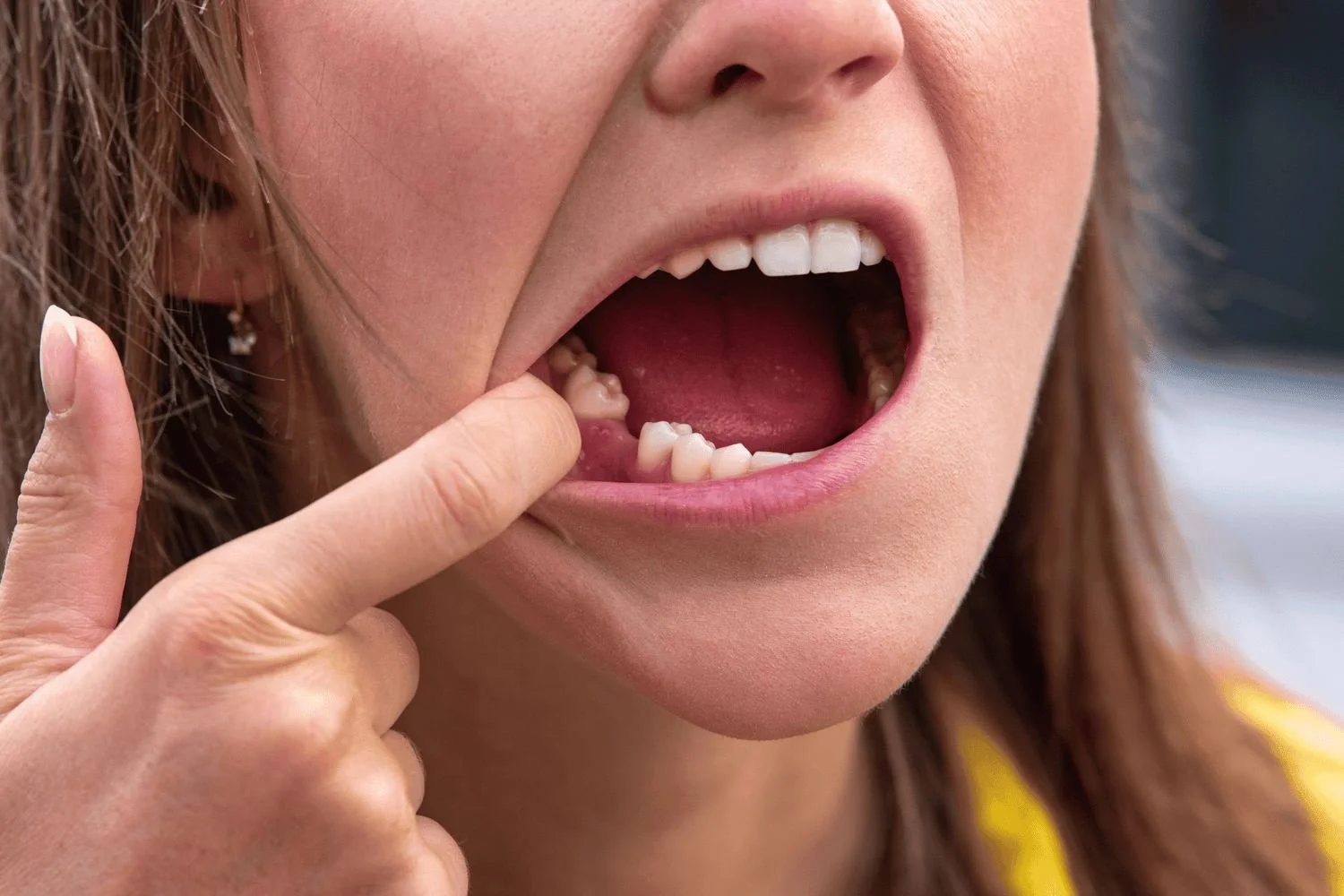
Losing a tooth can feel like no big deal at first, especially if it's not a front tooth anyone can see. You might think you can live without it and save the money you'd spend on replacing it. But leaving a missing tooth untreated can change the surrounding bone, neighboring teeth, and the way you chew, depending on the tooth's location and your bite.
Not every missing tooth creates the same problems or requires the same treatment, but an early evaluation can help you understand whether replacement is recommended and which options are available.
This guide explains what can happen when you have a missing tooth and don’t replace it, why tooth replacement may be important, and which tooth replacement options can help restore your smile and oral function.
What Happens When You Have a Missing Tooth?
After you lose a tooth, the bone that previously supported it begins to change. The alveolar bone in the area can gradually resorb, or decrease in height and width, because the tooth and its supporting structures are no longer present. Changes can begin after a permanent tooth is lost even if the empty space does not cause pain or discomfort. The effects vary depending on which tooth is missing, your bite, surrounding teeth, and overall oral health.
Nearby Teeth Can Shift
Teeth next to the open space may gradually tip, rotate, or drift toward it. A tooth in the opposite arch may also move farther into the space. These changes don't happen to everyone, but when they do, they can affect tooth alignment, change how your teeth come together, and make some areas harder to clean.
Jawbone Loss Can Occur
The jawbone that once supported the missing tooth can gradually decrease in height and width after tooth loss. This happens because the tooth and its supporting structures no longer stimulate the surrounding bone.
Bone changes are often greatest during the first several months after tooth loss, although remodeling can continue over time. Significant bone loss may also affect future tooth replacement options and, in some cases, make bone grafting necessary before dental implant treatment.
Your Bite and Chewing Can Change
Depending on the missing tooth's location, chewing may become less comfortable or efficient. Some people begin relying more heavily on the opposite side of the mouth, which can change how biting and chewing forces are distributed across the remaining teeth.
Changes in tooth position around the open space may also alter how the upper and lower teeth contact one another.
Additional Teeth May Be Affected
An open space can create areas where food collects or where teeth become harder to clean. Changes in tooth position or bite may also place different forces on the remaining teeth.
Depending on which tooth is missing, tooth loss may also affect speech or the appearance of your smile. These effects vary from person to person, so an evaluation can help determine whether replacement is recommended.
Long-Term Consequences of Not Replacing Missing Teeth
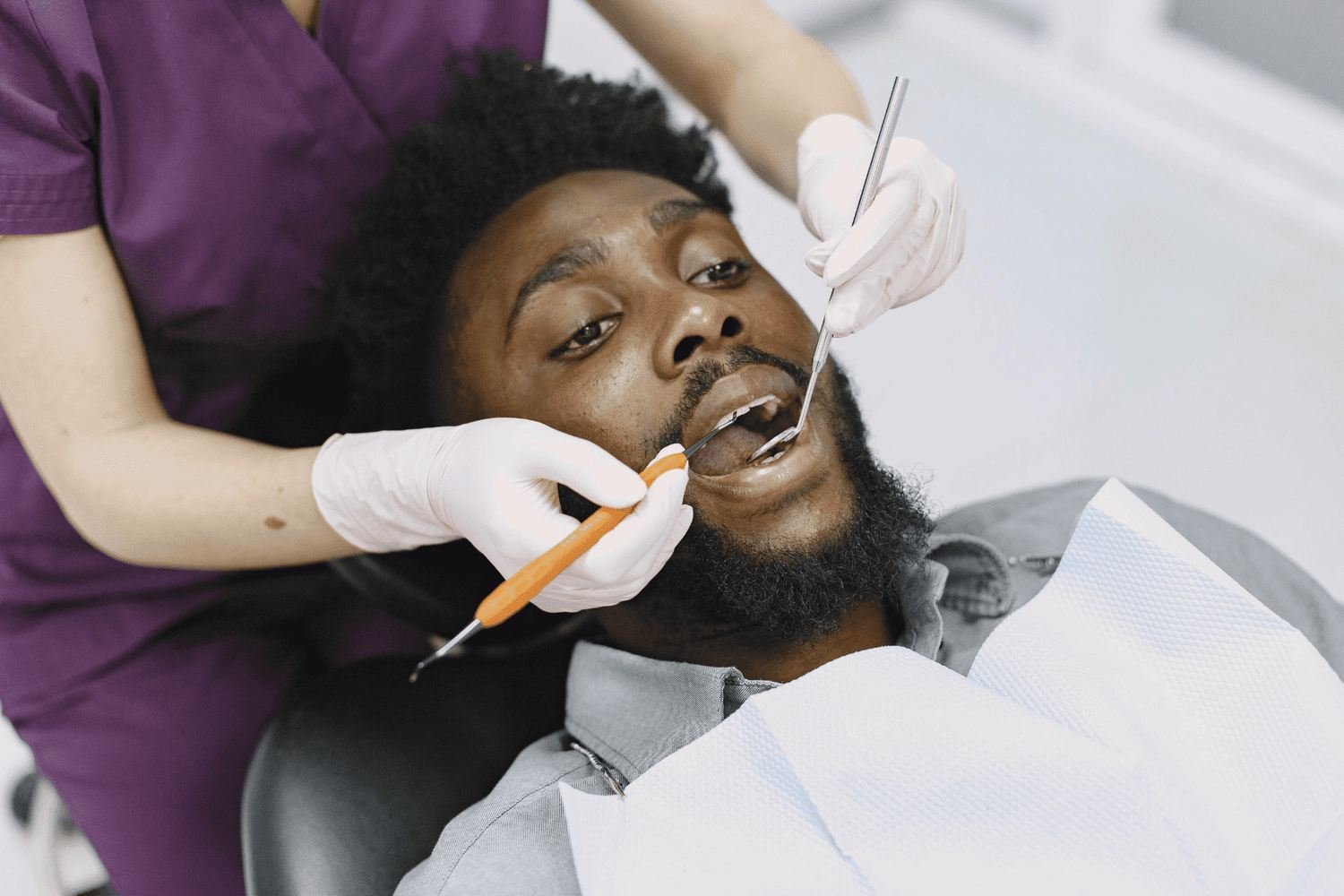
The long-term effects of an unreplaced tooth vary. Some people experience relatively minor changes, while others develop tooth movement, bone loss, or functional problems that make future replacement more complicated.
Local bone loss can continue in the area where a tooth is missing. When several or all teeth are absent, more extensive loss of the supporting jawbone and soft-tissue support can change facial appearance over time. A single missing tooth generally should not be described as causing dramatic facial collapse or premature facial aging.
Neighboring teeth may shift or tilt toward an open space, potentially changing tooth contacts and creating areas that are more difficult to clean. However, losing one tooth does not mean you will inevitably lose additional teeth. Maintaining good oral hygiene, treating existing dental disease, and attending regular dental visits remain important for protecting the teeth you still have.
Chewing habits can also change, particularly when posterior teeth are missing. Some patients begin favoring the opposite side of the mouth, which may affect chewing efficiency or comfort.
A missing tooth or altered bite should not be assumed to cause temporomandibular disorders (TMD). TMDs have multiple possible contributing factors, and current evidence does not support a strong link between bite misalignment and TMD development.
Tooth Replacement Options
Multiple tooth replacement options exist depending on how many teeth are missing, your bone structure, your overall health, and your budget. Your dentist will also consider the missing tooth's location, the condition of neighboring teeth, your bite, and your long-term treatment goals when recommending an option.
Dental Implants: Replacing a tooth with a dental implant involves placing a biocompatible implant, commonly made of titanium, into your jawbone that serves as an anchor for an artificial tooth. Once the implant integrates with the bone, a crown attaches to it, creating a restoration that looks and functions like a natural tooth. Because implants integrate with the jawbone and transmit functional forces to the surrounding bone, they can help limit local bone loss compared with leaving the area without an implant. However, they do not guarantee that bone loss will never occur. With proper care, implants can provide a durable, long-term tooth replacement, although the implant restoration may require maintenance or replacement over time.
Dental Bridges: A bridge spans the gap left by a missing tooth by anchoring to adjacent teeth or, in some cases, dental implants. The bridge replaces the missing tooth's crown while its supporting teeth or implants hold the restoration in place. A traditional tooth-supported bridge does not require implant surgery, although preparing the supporting teeth generally requires removing some tooth structure. Longevity varies depending on the condition of the supporting teeth, oral hygiene, bite forces, and other factors.
Dentures: Partial dentures replace one or more missing teeth and may use the remaining teeth for support or retention. Full dentures replace all teeth in an upper or lower arch. Dentures are removable and often cost less upfront than implant-based treatment. However, traditional dentures do not replace tooth roots or provide the same bone stimulation as implants, so the underlying jaw ridge can continue to change over time. They also require careful cleaning and maintenance.
Implant-Supported Bridges or Dentures: Combining implants with bridges or dentures can provide better retention, stability, and chewing function than conventional removable dentures for appropriate patients, while using fewer implants than replacing every missing tooth individually. These approaches may be appropriate when several or all teeth are missing.
Why Is Replacing a Missing Tooth Important?
Replacing a missing tooth can restore chewing function, maintain the space between neighboring teeth, and improve the appearance of your smile. Depending on the missing tooth's location, replacement may also help reduce unwanted tooth movement and support more balanced dental function.
Not every missing tooth needs immediate replacement, and the benefits of treatment vary based on the tooth that was lost, your bite, jawbone health, and surrounding teeth. A dental evaluation can help determine whether replacement is recommended in your situation.
How to Choose the Right Tooth Replacement Option
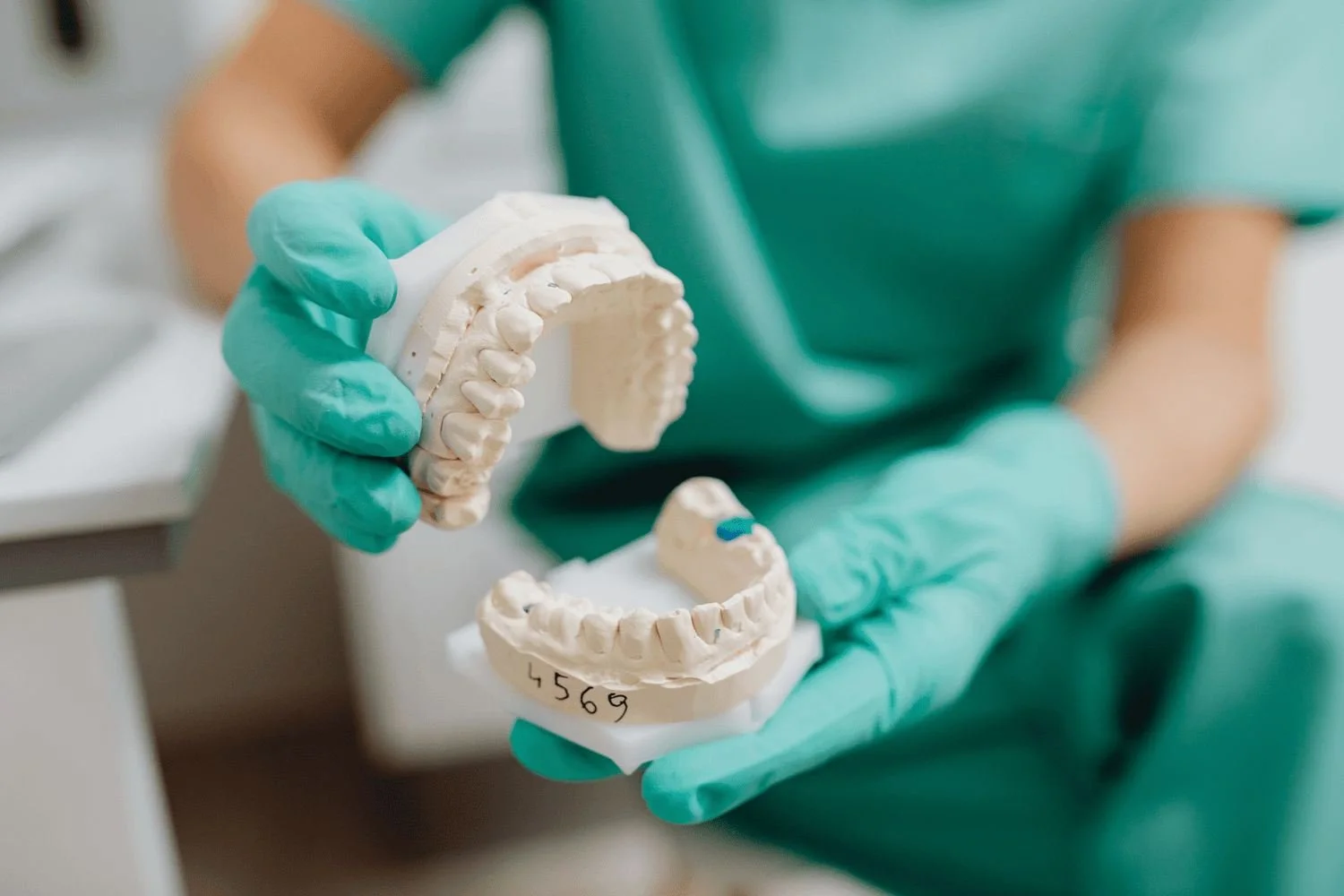
The right tooth replacement depends on more than the number of teeth you're missing. Your dentist will evaluate the missing tooth's location, surrounding teeth, gum health, available jawbone, bite, and overall oral health before recommending treatment.
Other factors include whether you prefer a fixed or removable restoration, treatment time, maintenance needs, cost, and expected longevity. Dental implants, bridges, and dentures each have advantages and limitations, so no single option is best for every patient.
Why Timely Tooth Replacement Matters
The longer a tooth is missing, the more time there is for changes in the bone and neighboring teeth to occur. These changes are not inevitable or identical for every patient, but they can affect future treatment options.
Bone loss can make later implant placement more complex and may mean that bone grafting or another procedure is recommended before or during implant treatment. However, many patients can still receive implants years after losing a tooth following appropriate evaluation and treatment planning.
If neighboring teeth have shifted significantly into an open space, orthodontic treatment may be needed before placing a replacement. This is not necessary for every patient with a longstanding missing tooth.
The appropriate timing for tooth replacement also varies. Some teeth can be replaced immediately or soon after extraction, while other situations benefit from a healing period. In certain cases, a dentist may determine that monitoring the space without replacement is a reasonable option.
Evaluating a missing tooth early keeps more treatment options available and lets your dentist monitor changes in the bone, surrounding teeth, and bite before they become harder to manage.
Tooth Replacement Options with Total Health Dental Care
Whether you need to replace a tooth soon after it is lost or are considering your options after years without replacement, Total Health Dental Care provides comprehensive tooth replacement solutions. Our experienced team helps you choose the tooth replacement options that fit your situation, budget, and goals.
We offer dental implants, bridges, partial and complete dentures, and implant-supported restorations. For patients who have lost bone in an area being considered for an implant, our team can also evaluate whether bone grafting or another preparatory procedure is appropriate.
Our goal is to help you restore comfortable function and the appearance of your smile with a treatment plan tailored to your oral health needs.
Schedule a consultation to discuss your missing tooth and find options tailored to your needs. Explore our complete dental services to learn about available restorative and tooth replacement options.
FAQs
How long can you go without replacing a missing tooth?
There is no single deadline for replacing every missing tooth. Some people can go months or even years without noticeable problems, while others develop bone loss, tooth movement, or changes in chewing sooner. The amount and speed of change depend on factors such as which tooth is missing, your bite, surrounding teeth, and overall oral health.
It is a good idea to have a missing tooth evaluated even if it is not causing symptoms. Your dentist can determine whether replacement is recommended, whether the space can safely be monitored, and whether waiting could make a future implant, bridge, or other restoration more complicated.
What happens if I never replace a missing tooth?
Possible consequences of leaving a missing tooth unreplaced include bone loss in the area, movement of neighboring or opposing teeth, and changes in chewing or speech. These effects vary considerably between patients and are not guaranteed.
Leaving a tooth unreplaced also does not automatically mean you will lose additional teeth or develop TMD. Your dentist can evaluate the missing tooth's location, your bite, and the health of surrounding teeth to determine whether replacement or continued monitoring is appropriate.
What are the best tooth replacement options?
The best tooth replacement option depends on your specific situation. Dental implants are a common long-term option because they replace the missing tooth without relying on adjacent natural teeth and integrate with the jawbone. However, they require sufficient bone or appropriate bone augmentation, involve surgery, and aren't appropriate for everyone.
Dental bridges offer a fixed tooth replacement option and may be particularly useful when adjacent teeth already need crowns or when implant treatment is not preferred or appropriate. Dentures provide a removable option for replacing one, several, or all missing teeth and may have a lower initial cost than implant-based treatment.
Implant-supported bridges and dentures are additional options when several teeth are missing. Your dentist can compare the advantages, limitations, treatment time, maintenance, and cost of each option based on your needs.
Can I wait to replace a missing tooth?
While you can technically wait to replace a missing tooth, waiting can allow bone remodeling or tooth movement, and those changes may affect future treatment.
If you are considering an implant, bridge, or another replacement, having the area evaluated early can help you understand your options and whether there is any benefit to acting sooner. If cost or timing is a concern, discuss it with your dentist so you can determine whether the space can be safely monitored and plan treatment around your individual needs.
How expensive is it to replace a missing tooth?
The cost of replacing a missing tooth depends on the type of treatment you choose and your individual dental needs. Dental implants, bridges, and removable dentures have different costs, and additional procedures such as bone grafting may affect the total price.
Dental insurance may cover part of certain tooth replacement treatments depending on your plan. Your dentist can evaluate the missing tooth, review your treatment options, and provide an individualized cost estimate before treatment begins.
What is a replacement tooth called?
A replacement tooth may be called an artificial tooth, prosthetic tooth, or dental restoration depending on the treatment used. For example, a dental implant typically supports a crown that replaces the visible portion of a missing tooth, while a bridge uses a prosthetic tooth called a pontic to fill the open space. Dentures can replace one, several, or all missing teeth.
