
What is TMJ? Causes & Treatment

That clicking sound when you open your mouth. The sharp pain when you chew on one side. The persistent headaches that won't go away no matter what you try. If you experience jaw pain, limited movement, painful clicking, or other persistent jaw symptoms, you may be dealing with a temporomandibular disorder (TMD). Jaw pain and discomfort affect more people than you might think, yet many people may not realize that evaluation and treatment options are available.
TMJ disorder can affect how comfortably you chew, speak, and move your jaw throughout the day. The good news is that many cases are temporary or improve with conservative care. This guide explains what TMJ is, what may contribute to TMD, common symptoms, and available treatment options so you understand your situation and know when to seek professional help.
What Is TMJ Disorder?
The temporomandibular joint, or TMJ, connects your lower jaw to your skull and enables the complex movements needed to open, close, and move your mouth side to side. You have one TMJ on each side of your jaw, and each joint combines hinge and sliding movements that allow your jaw to function.
Temporomandibular disorders, or TMDs, are a group of conditions affecting the jaw joints, chewing muscles, and surrounding tissues. TMJ technically refers to the joint itself, while TMD refers to disorders affecting the temporomandibular joint and/or the muscles involved in jaw movement. When you hear someone say they have a "TMJ problem," they're usually referring to a TMD rather than the joint itself.
TMJ pain can range from mild and occasional to severe and constant. Some people experience occasional clicking or popping that causes no discomfort, while others have significant pain affecting their quality of life. Clicking or popping without pain is common and generally does not require treatment.
What Causes TMJ Disorder?
There is often no single identifiable cause of TMD. In many cases, the exact cause is unclear, and biological, behavioral, psychological, and environmental factors may all contribute. Factors that may cause, contribute to, or aggravate certain TMDs include:
Jaw injury or trauma affecting the joint or surrounding tissues
Arthritis or other conditions affecting the temporomandibular joint
Teeth grinding or clenching, which may contribute to jaw muscle pain or aggravate symptoms
Excessive strain on jaw muscles
Certain joint or disc problems within the TMJ
Psychological and life stressors that may contribute to muscle tension, clenching or the experience of chronic pain
Current evidence does not support the idea that a misaligned bite or orthodontic treatment is a general cause of TMD.
Habits like chewing gum excessively, chewing on ice or hard objects, clenching your jaw when stressed or other repetitive jaw behaviors can aggravate existing TMJ pain in some people.
Stress may also contribute to TMD symptoms for some patients. When you're stressed, you may unconsciously clench your jaw or tense your facial muscles. For patients who respond to stress with increased jaw muscle activity, this tension may contribute to muscle soreness or worsen existing symptoms. However, TMD is complex and should not be attributed to stress alone.
Common Symptoms of Temporomandibular Disorder
Symptoms of temporomandibular disorder vary widely between individuals. Common signs include:
Pain or tenderness in the jaw joint or surrounding areas
Pain in the temporomandibular joint or chewing muscles when chewing, yawning or opening your mouth wide
Jaw stiffness or limited movement, making it difficult to open your mouth fully
Painful clicking, popping, or grinding sounds when moving your jaw
Headaches, facial pain or discomfort around the ears
Pain that may spread to the face or neck
Difficulty eating certain foods due to jaw discomfort
Jaw locking or difficulty opening or closing the mouth
Changes in the way the upper and lower teeth fit together
A painful temporomandibular joint can affect one side or both sides of your face. Some people experience consistent symptoms while others notice problems that come and go unpredictably.
Joint sounds by themselves do not necessarily indicate a disorder. Painless clicking and popping are common and typically do not require treatment.
How Is TMJ Disorder Diagnosed?
Diagnosis begins with a discussion of your symptoms and their history. Your dentist asks when symptoms started, what makes them better or worse, and how they affect your daily life.
Your dentist performs a physical examination to evaluate jaw movement and range of motion, tenderness or pain in the joint and chewing muscles, painful clicking or popping sounds when you move your jaw, and other possible sources of facial or dental pain.
No single standard test confirms every type of TMD. Because jaw and facial pain can have many causes, your dentist or healthcare provider may also need to rule out dental problems or other medical conditions.
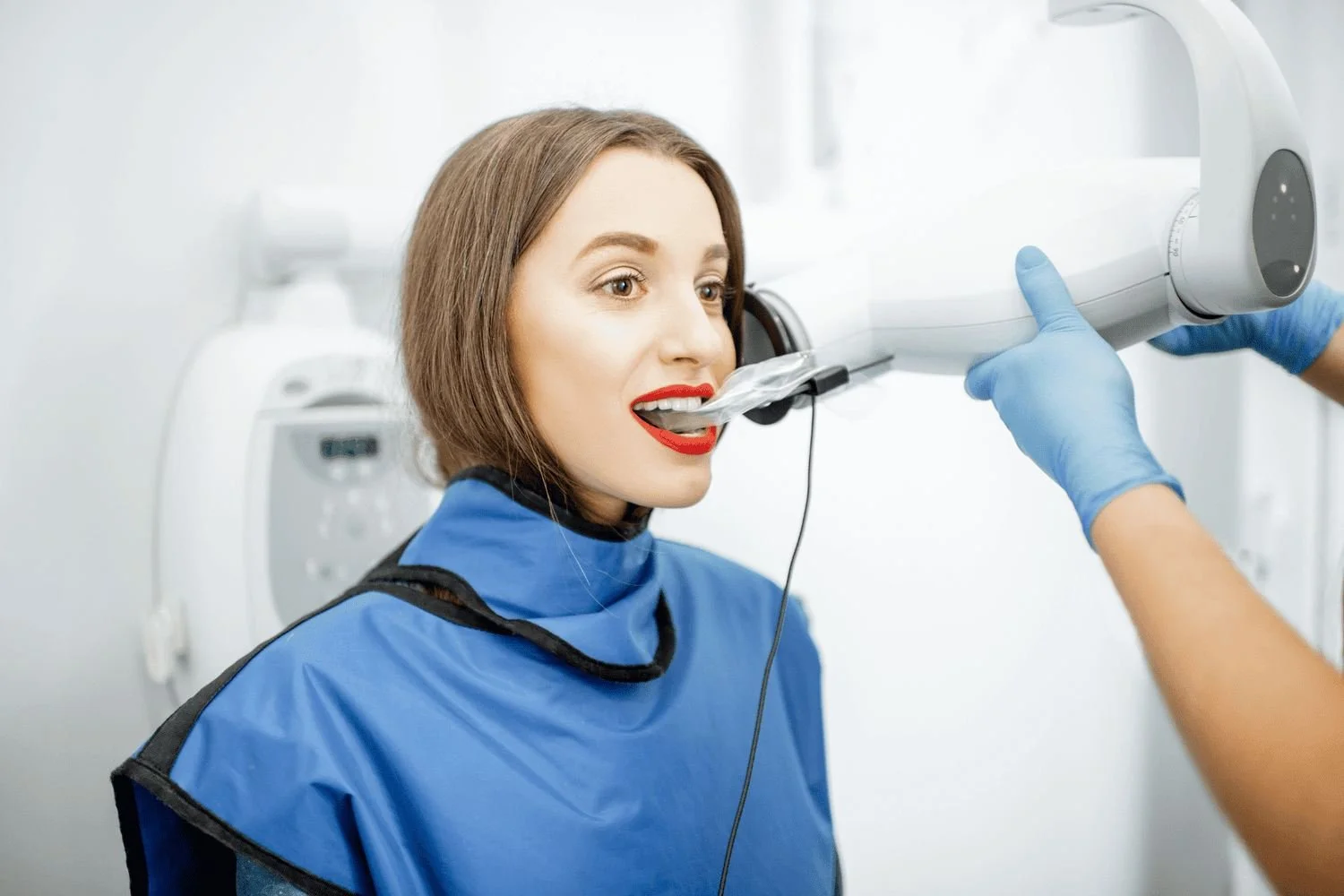
Sometimes imaging, such as X-rays, CT scans, or an MRI, is recommended to assess the joint structure and surrounding tissues more closely. The type of imaging used depends on the symptoms and the structures your provider needs to evaluate.
TMJ Treatment Options
Treatment for TMJ depends on the type of TMD, symptom severity, and how long you've experienced problems. Providers typically recommend conservative approaches first, then consider more advanced options. Many TMD symptoms improve with simple, reversible treatments, and some resolve without treatment.
At-Home Care for TMJ Pain
Many people find relief through simple lifestyle modifications. Temporary diet changes focusing on soft foods reduce strain on the jaw. Applying hot or cold compresses can ease discomfort and muscle tension. Gentle jaw stretching or strengthening exercises may also be recommended by your dentist, doctor, or physical therapist based on your condition.
Reducing habits that strain your jaw, including chewing gum, chewing ice, and clenching your jaw, can provide relief for some people. Stress management techniques, including relaxation exercises, meditation, or yoga, may help if stress contributes to your jaw tension.
Over-the-counter nonsteroidal anti-inflammatory drugs (NSAIDs), such as ibuprofen, may also provide short-term pain relief when they are safe for you to take. Follow your healthcare provider's recommendations and the medication label instructions.
Nightguards and Oral Appliances
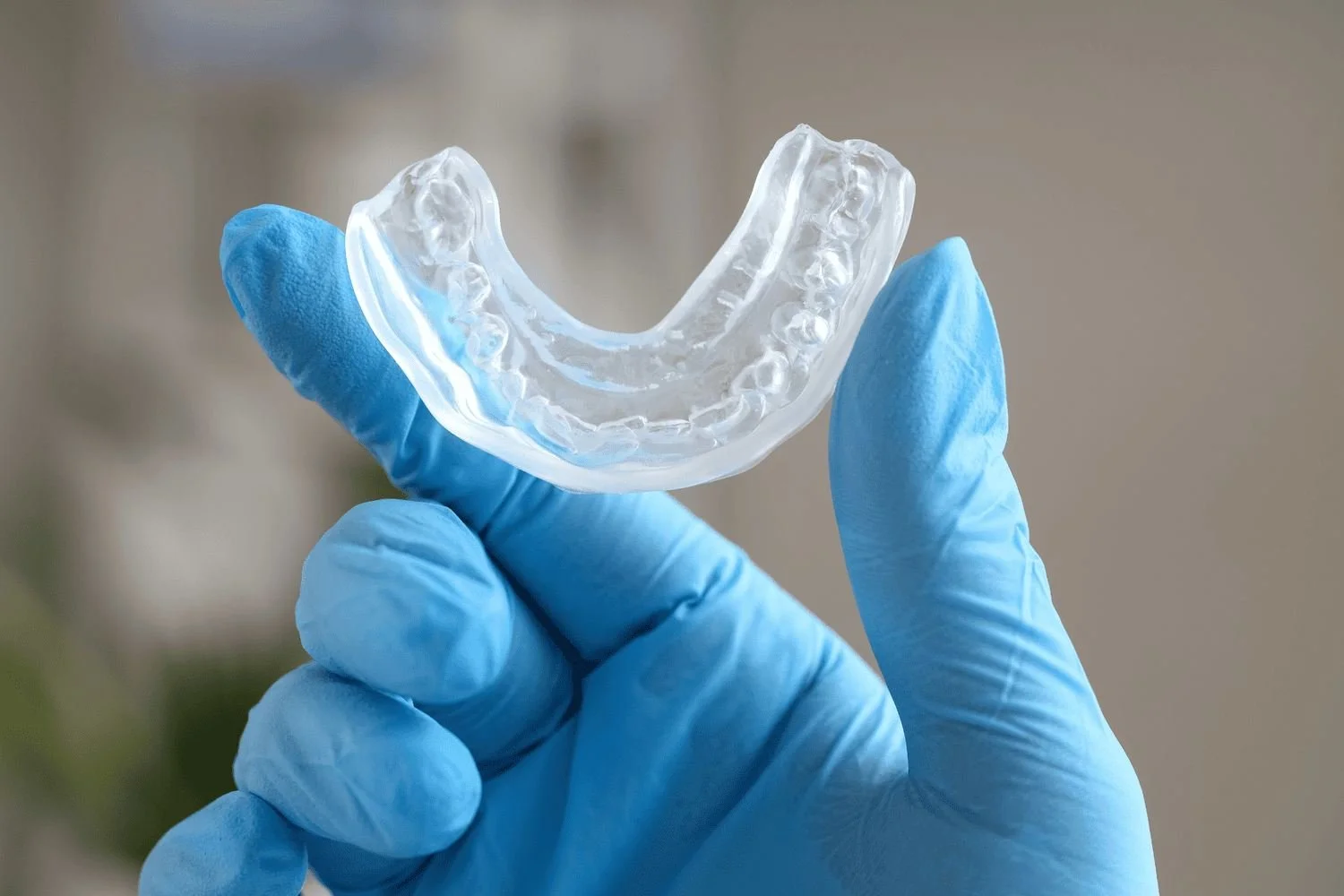
Custom-fitted nightguards can help protect teeth from wear and damage associated with grinding or clenching during sleep. A dentist may also recommend an intraoral appliance or stabilization splint for certain patients with TMD.
Evidence about how effectively oral appliances relieve TMD pain is limited, so they should be selected based on your specific symptoms and diagnosis. Appliances used for TMD should generally be reversible and should not be designed to permanently change your bite. If an appliance causes or increases pain, or changes how your teeth fit together, stop using it and contact your dentist.
Additional Treatment for TMJ Problems
Depending on the underlying issue, TMJ treatment may include over-the-counter or prescription medications for pain or other symptoms, physical therapy to improve jaw movement and function, behavioral approaches that help reduce clenching or muscle tension, or other therapies selected for the specific type of TMD.
Botulinum toxin Type A, commonly known by the brand name Botox, may be considered in selected cases involving jaw muscle overactivity or pain. Patients should discuss the potential benefits, risks, and alternatives with a qualified provider.
Treatments intended to permanently change the bite, such as grinding down teeth, placing restorations specifically to alter the bite, or using orthodontics solely to treat TMD, are generally not recommended because current evidence does not show that these approaches reliably improve TMD and they may make symptoms worse.
If arthritis or other joint conditions are involved, your dentist may refer you to a specialist for coordinated care.
Procedures involving the joint and surgery are generally reserved for specific, more severe conditions. Surgery may be considered when there is significant joint damage or severe pain or functional limitation that persists despite appropriate conservative treatment. Because surgery permanently changes the joint, patients should carefully discuss its risks, benefits, and alternatives and may benefit from a second opinion before proceeding.
When Should You See a Dentist for TMJ Pain

Call your dentist if you have persistent or significant pain, difficulty chewing or limited jaw movement that interferes with eating, jaw pain that worsens over time or symptoms that significantly affect your quality of life.
You should also seek evaluation if your jaw frequently locks, you develop a new change in your bite, or you have facial or jaw pain and are unsure whether the source is your TMJ, teeth, or another condition.
A dental or medical evaluation can help determine whether your symptoms relate to TMD or another condition and identify appropriate next steps. Because many cases improve with conservative care, treatment should generally begin with the least invasive appropriate option.
Get Help for TMJ Pain at Total Health Dental Care
Our experienced team can evaluate your jaw symptoms and discuss conservative treatment options, including custom nightguards or oral appliances, or coordinate with specialists when needed. We also offer Botox as an off-label treatment option for selected patients with muscle-related jaw symptoms, including clenching or grinding, when clinically appropriate.
Schedule an evaluation if you've been experiencing jaw discomfort, persistent headaches, painful clicking or popping sounds, or other symptoms that may be related to a TMD. An evaluation can help identify possible causes of your symptoms and determine which treatment options, if any, are appropriate. Early treatment often leads to better outcomes and helps prevent problems from worsening. Explore our complete dental services to learn more about how we address TMJ, jaw-related concerns, and other dental needs.
FAQs
Is TMJ a lifelong condition?
TMJ is not necessarily. Many cases of TMD are temporary, and symptoms may improve significantly or even resolve without extensive treatment. Symptoms related to muscle tension or a temporary injury may improve as the contributing factors resolve. Conservative treatments and self-management can also help reduce symptoms for many patients.
However, some cases involving arthritis, joint damage, chronic pain or other underlying conditions may persist long-term. TMD symptoms can also recur, so the course of the condition varies from person to person.
What are the main causes of TMJ disorder?
There is no single main cause of TMD, and in many patients the exact cause remains unclear. Jaw injury can cause certain TMDs, while arthritis, joint or disc disorders, jaw muscle overactivity, and clenching or grinding may contribute to symptoms in some patients. Psychological and life stressors may also influence muscle tension and chronic pain.
Current evidence does not support a misaligned bite or previous orthodontic treatment as a general cause of TMD. Most cases are better understood as involving multiple possible biological, behavioral, and environmental factors.
What could be mistaken for TMJ?
Several conditions can mimic TMJ pain. Tension headaches, ear infections or other ear conditions can cause pain in the same area as a painful temporomandibular joint. Sinus problems can radiate to the jaw area. Dental problems like tooth decay, dental infections, cracked teeth, or gum problems can also cause facial or jaw pain. Migraines may cause facial pain or occur alongside TMD. Trigeminal neuralgia, which affects nerves in the face, can also cause facial pain that may be mistaken for TMD symptoms.
Because jaw and facial pain have many possible causes, persistent or unexplained symptoms should be evaluated rather than self-diagnosed as TMJ disorder.
How do you confirm you have TMJ?
No single test confirms every TMD. Your dentist or doctor evaluates possible TMD by reviewing your symptoms and medical history and examining your head, neck, face, and jaw for tenderness, painful joint sounds, and difficulty or limitation with movement.
Imaging like X-rays, CT scans, or MRI may be recommended to visualize the joint structure when needed. Your provider may also need to rule out dental or medical conditions that can cause similar pain. Your provider may recommend referral to an orofacial pain specialist or another appropriate healthcare professional when symptoms are complex, or the diagnosis is unclear.
What should you avoid if you have TMJ?
Avoid or temporarily reduce habits that strain your jaw, including chewing gum, chewing ice, or chewing on hard objects. Try to avoid unusually wide or repetitive jaw movements when they trigger pain. If you notice that you clench your jaw during the day, practicing a relaxed jaw position may help reduce muscle tension.
Temporary soft foods may help during a painful flare, but prolonged dietary restriction is not necessary for everyone. If nighttime grinding or clenching is damaging your teeth, your dentist may recommend a properly fitted nightguard.
Avoid treatments intended to permanently change your teeth or bite solely to treat TMD unless there is another clearly established dental reason for the procedure and you have discussed the risks and alternatives with an appropriately qualified provider.
